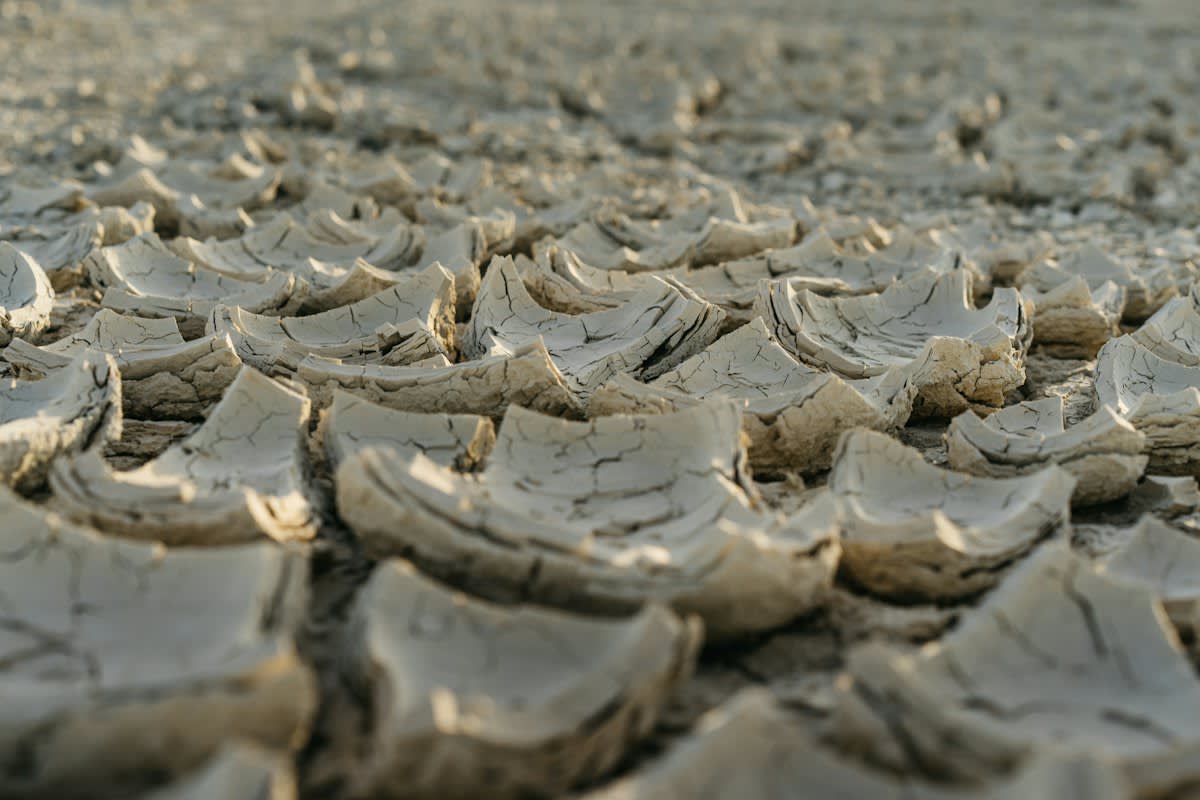
Groundwater is vanishing fast. 4.6 trillion gallons were lost from the Upper Colorado River Basin between 2020 and 2022 (Source: Boise State Public Radio, 2026). This is not a dip. This is a liquidation. We are spending water that took millennia to accumulate to sustain a few years of drought. The math does not work. The debt is mounting.
Western water supplies are now on a countdown. Research from Virginia Tech shows that the Upper Colorado River Basin is bleeding reserves to keep river systems alive during severe dry spells (Source: Boise State Public Radio, 2026). When the groundwater disappears, the river dies. When the river dies, the economy follows. This is the basic physics of water debt. We borrow from the deep earth to mask a surface failure.
Industrial Default
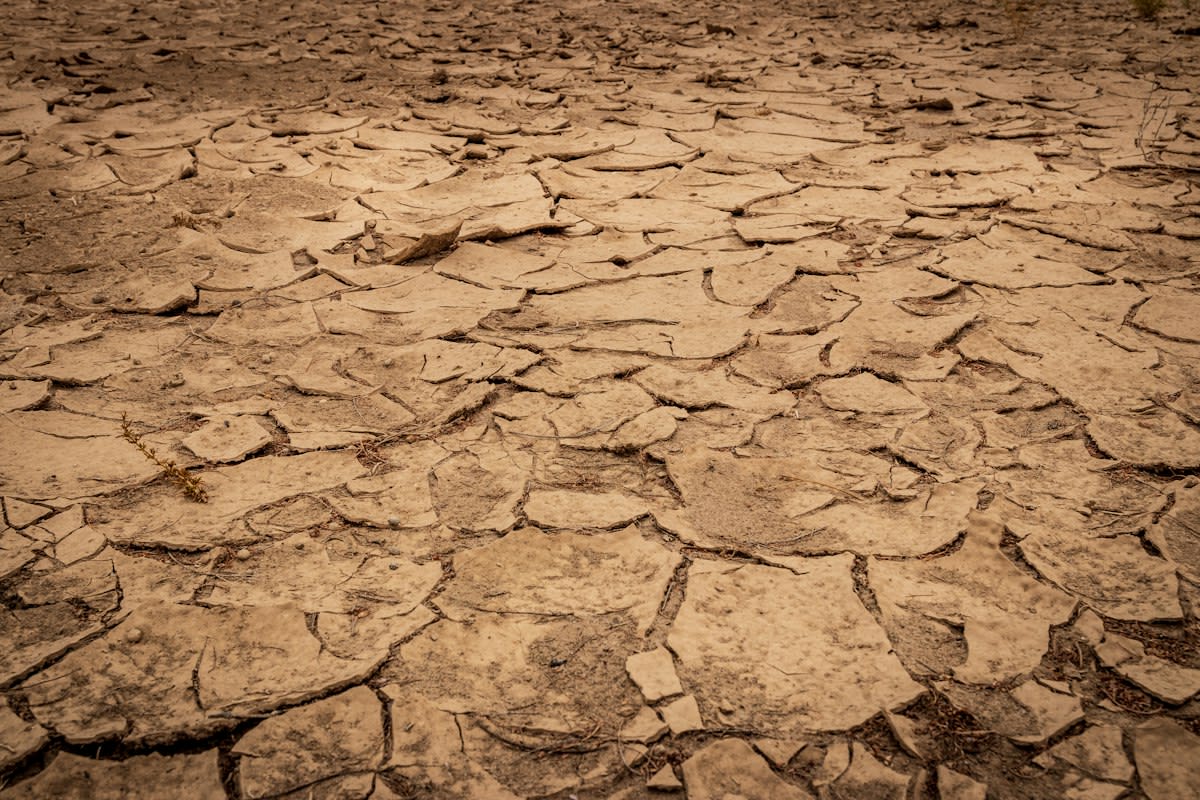
Europe is hitting the same wall. 52% of industrial leaders expect water quality or availability to become a serious barrier to growth by 2031 (Source: Schneider Electric, 2026). This is no longer an environmental concern. It is a balance sheet risk. Water stress is already driving up operating costs for 44% of these leaders (Source: Schneider Electric, 2026). The industrial engine requires liquid to run. Without it, the engine seizes.
"Water shortages now rank as high as cyber-attacks and supply chain disruption for industrial business continuity."— The Water Crunch Report, Schneider Electric
Risk is now a board-level conversation. 43% of industry leaders have moved water risk to the board (Source: Schneider Electric, 2026). They are reacting to a reality where 14% already see water as a barrier to current operations (Source: Schneider Electric, 2026). Europe is warming twice as fast as the global average. This acceleration turns a slow leak into a burst pipe. The cost of inaction is a total stop in production.
| Impact Category | Percentage of Industrial Leaders | Operational Effect |
|---|---|---|
| Operating Costs | 44% | Direct financial increase |
| Infrastructure | 38% | Budget strain and maintenance failure |
| Supply Chains | 30% | Logistical disruptions |
| Growth Barrier | 52% | Projected halt by 2031 |
Money cannot buy water that does not exist. 47% of industry leaders have increased investment in water efficiency (Source: Schneider Electric, 2026). This is a desperate attempt to lower the burn rate. But efficiency is not the same as replenishment. You can optimize a dying asset, but you cannot optimize zero.
This friction exists in every boardroom. The CFO wants to cut costs. The operations manager sees the pumps running dry. The sustainability officer warns of a total collapse. In cities like Dhaka, this tension is not a debate; it is a daily struggle for survival. When the water debt is called in, the poorest pay first, but the industry fails last.
The Closed-Loop Trap
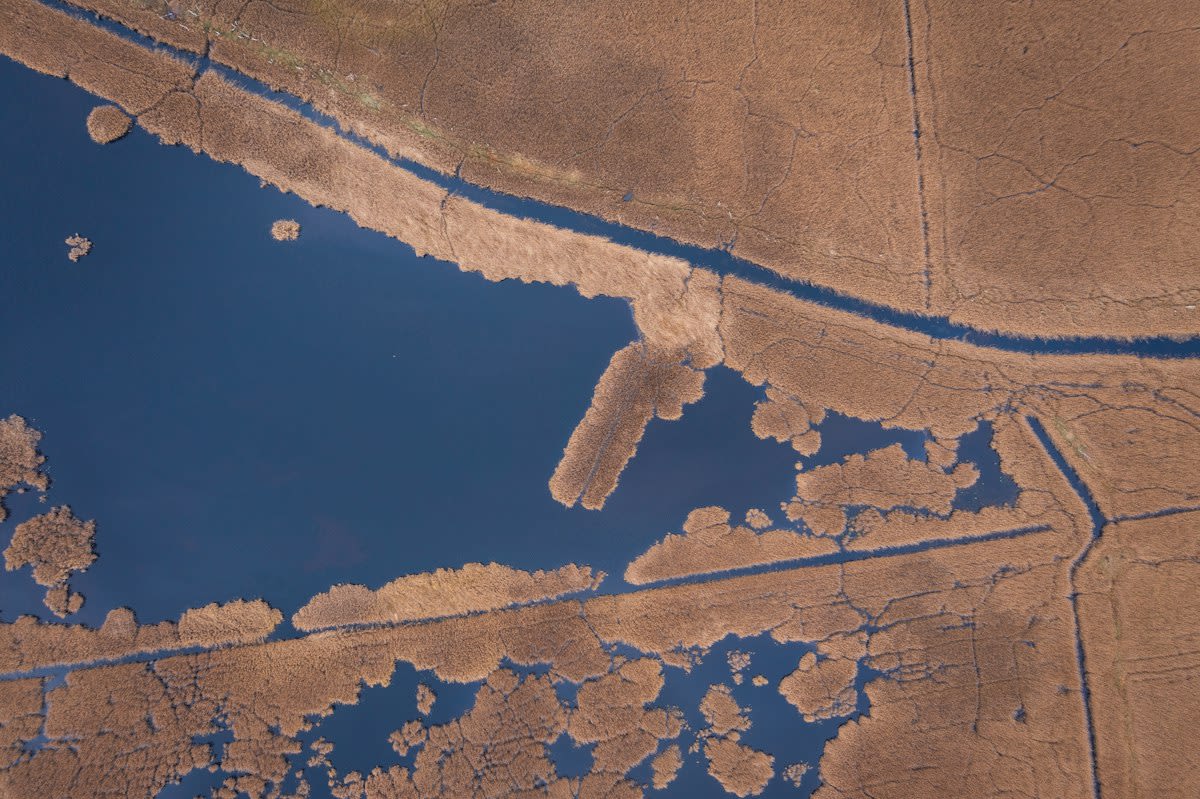
Central Asia offers a grim preview. The Ili-Balkhash River Basin is an endorheic watershed (Source: Eurasia Review, 2026). This means it is a closed system. Water goes in, but it does not flow to the ocean. It evaporates or stays. When humans abstract too much water for irrigation, the balance breaks. Glacier retreat and increasing evaporation are shrinking the input (Source: Eurasia Review, 2026).
Lake Balkhash is the last stand for this region. It is one of the largest endorheic lakes in Central Asia (Source: Eurasia Review, 2026). But it is sensitive to any change in the Ili River inflow. If upstream users take too much, the lake shrinks. This is a zero-sum game. Every gallon used for a crop today is a gallon stolen from the lake's future.
Political solutions are lagging. Turkmenistan has pushed for the Ashgabat Climate Dialogue to find a way forward (Source: Trend.az, 2026). But diplomacy moves slower than evaporation. The water is leaving faster than the treaties are being signed. The basin is vulnerable because it depends on a fragile link between glaciers and endorheic sinks (Source: Eurasia Review, 2026).
This is the anatomy of water debt. We treat water as a flow, but it is actually a stock. We are spending the stock. When the stock hits zero, the flow stops. The Ili-Balkhash basin is a warning. The Colorado River is a signal. Europe's industrial anxiety is the symptom.
Failure Point
The absolute failure point occurs at the moment of aquifer collapse. When groundwater is extracted faster than it recharges, the geological structure of the earth can cave in. This is called subsidence. Once the pores in the rock collapse, the aquifer can never hold water again. You cannot refill a crushed sponge. This is the point of no return.
For the 52% of European industries facing a growth barrier, the failure point is financial (Source: Schneider Electric, 2026). It happens when the cost of sourcing water exceeds the profit margin of the product. At that moment, the factory closes. The debt is settled in bankruptcy.
Fact-Check Note
Verify all groundwater loss data against Virginia Tech's 2020-2022 study. Ensure industrial growth projections for 2031 align with the Schneider Electric Water Crunch Report. Cross-reference endorheic basin definitions with Eurasia Review's analysis of the Ili-Balkhash system.
Editorial Note
This report highlights the transition of water from a utility to a liability. The evidence suggests a pervasive trend where groundwater is used as a short-term hedge against climate volatility, creating a long-term insolvency risk for both nature and industry.