
Why do we treat food security as a game of hoarding? Most people imagine a resilience pantry as a dark basement filled with generic canned goods and a sense of dread. That is a failure of imagination. True resilience is not about stockpiling for a collapse; it is about designing a system that thrives despite volatility. When water becomes the primary constraint, your food system must shift from a model of consumption to a model of strategic preservation and climate-adaptive sourcing.
Building a drought-proof system requires a fundamental shift in how you view calories. We have been conditioned to rely on water-intensive staples—think thirsty wheat and corn—that fail the moment the rains stop. To build a system that lasts, you need to integrate crops and preservation methods that mirror the resilience of arid-land cultures. Whether you are in the Mediterranean, the Sahel, or the American Southwest, the principles of water-wise nutrition remain the same: maximize nutrient density while minimizing the hydrological footprint (Source: FAO, 2023).
The Prerequisites: What You Will Need
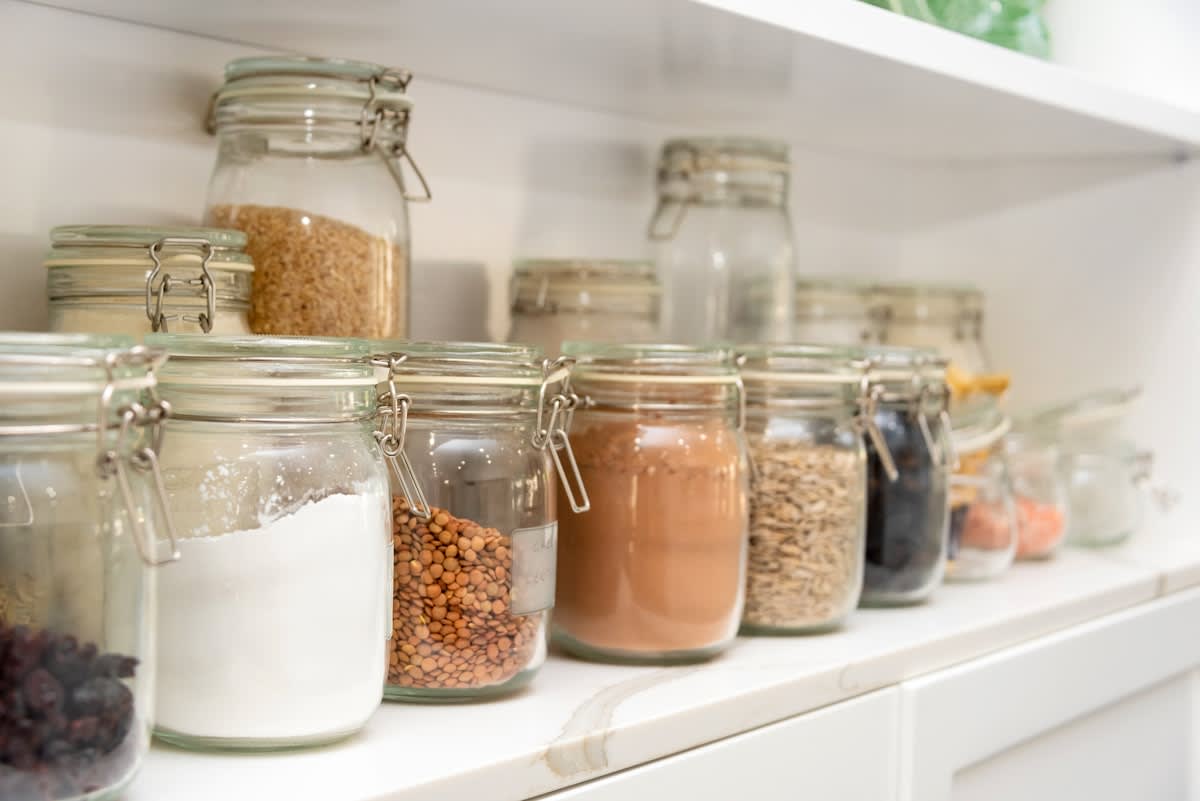
Before you buy a single bag of grain, you need the infrastructure to maintain it. A drought-proof pantry is only as good as its environment. You are fighting two enemies: moisture and pests. In high-humidity regions, your challenge is preventing mold; in arid regions, it is preventing oxidation and pest infestation. You cannot simply throw bags of rice in a cupboard and hope for the best.
- Hermetic storage containers (Mylar bags or glass with vacuum seals) to prevent oxidation.
- Oxygen absorbers and desiccant packs for long-term grain stability.
- A cool, dark, and ventilated space with a constant temperature ( ideally below 15°C/60°F).
- A diverse seed bank of open-pollinated, drought-resistant cultivars.
- Low-energy dehydration equipment (solar dehydrators or low-temp electric dryers).
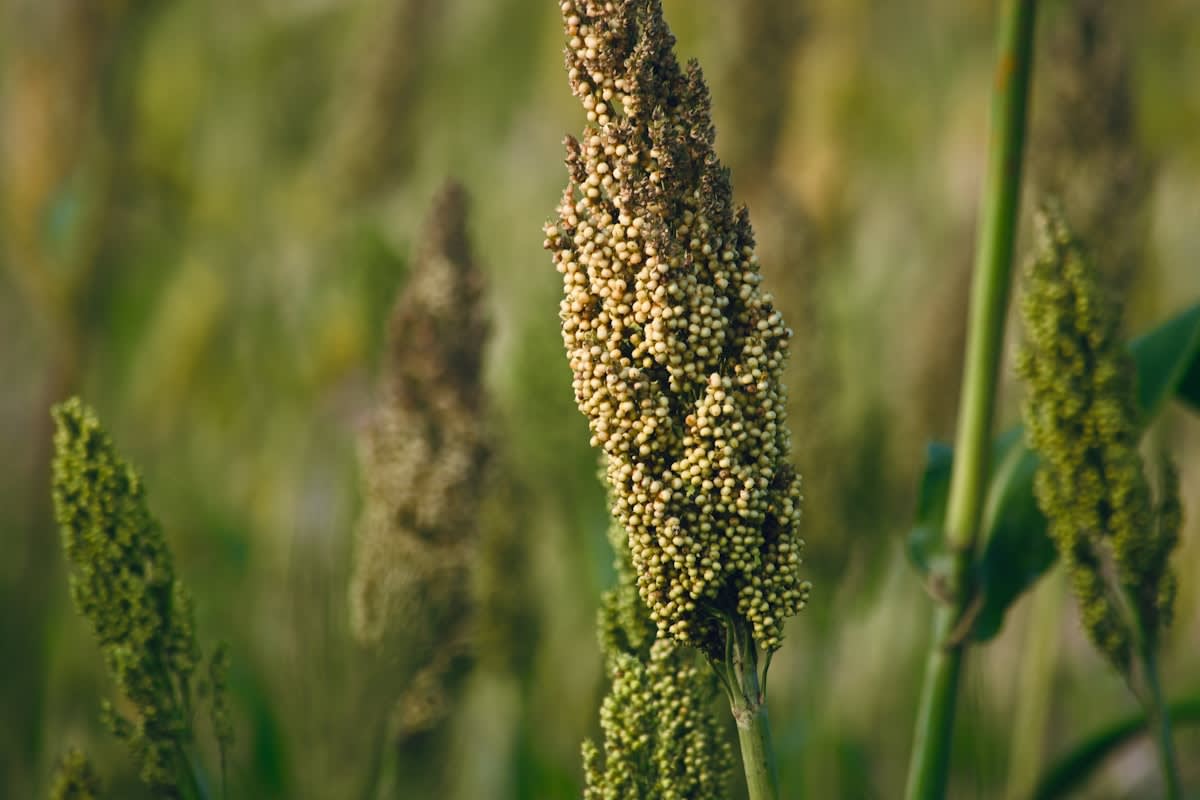
Once the hardware is in place, you must address the software: your knowledge of crop viability. Not all grains are created equal. While the world relies heavily on maize, which requires significant water, ancient grains like sorghum and pearl millet can produce yields in conditions that would kill a corn crop in weeks (Source: World Resources Institute, 2021). Your pantry should reflect this biological reality.
Step-by-Step: Constructing Your System
- Audit your nutritional baseline. Calculate your monthly caloric and micronutrient needs. Do not just track calories; track proteins, fats, and essential vitamins. A pantry of white rice is a hunger trap, not a safety net.
- Transition to 'Water-Lean' staples. Replace a portion of your water-heavy grains with drought-tolerant alternatives. Integrate amaranth, quinoa, and millet. These crops often provide higher protein-to-water ratios than traditional staples (Source: IPCC, 2022).
- Implement 'Dry-Phase' preservation. Move away from canning, which requires significant water for processing. Instead, prioritize dehydration and fermentation. Fermentation, in particular, preserves nutrients and improves gut health without the need for boiling water baths.
- Establish a rotating seed bank. Source seeds from regions that mirror your projected future climate. If you live in a temperate zone but see increasing drought, source seeds from semi-arid regions. Ensure they are open-pollinated so you can save seeds from your own harvests.
- Build a 'Water-First' storage logic. Store your most water-intensive foods (like canned vegetables) as the last resort. Prioritize dry goods that can be reconstituted using minimal water or those that can be eaten raw/dry.
The bridge between storage and survival is the ability to process these foods. Many people store grains they don't actually know how to cook or mill. If you are storing whole sorghum, do you have a way to crack it? If you are storing dried legumes, do you have the fuel to soak and boil them? The technical ability to prepare the food is as critical as the food itself.
"The goal of a resilient food system is not to survive a catastrophe, but to maintain nutritional sovereignty when the global supply chain falters due to climate instability."— Dr. Elena Rossi, Senior Researcher at the Global Food Security Initiative
The Practitioner's Perspective: The Ground-Level Friction
In the field, the real debate isn't about whether you should store food, but about the metabolic cost of maintenance. I have spent years working with homesteaders and urban farmers, and the friction always happens at the intersection of energy and water. There is a constant tension between 'deep storage'—the prepper mindset of piling up calories—and 'regenerative flow,' where the pantry is a living extension of the garden. The 'deep storage' crowd often forgets that calories without micronutrients lead to systemic health failure. Conversely, the 'regenerative' crowd often underestimates how quickly a multi-year drought can wipe out even the most hardy permaculture garden. The sweet spot is a hybrid approach: a foundation of hermetically sealed, drought-resistant grains supplemented by a rotating cycle of fermented and dehydrated seasonal produce.
Common Pitfalls to Avoid
The most common mistake I see is the 'Plastic Trap.' Many beginners use cheap plastic bins for long-term storage. Plastic is porous; it allows oxygen in and volatile organic compounds out. Over two to five years, your oils will go rancid and your grains will lose potency. Always opt for glass or high-grade Mylar with oxygen absorbers.
Another critical error is ignoring seed viability. Seeds are living organisms. If you store them in a warm, humid environment, they will lose their germination rate rapidly. I have seen entire communities lose their drought-proof gardens because they stored their seeds in a kitchen cupboard instead of a refrigerated, airtight container. Seed viability can drop by 50% in a single year if temperature and humidity are not controlled (Source: FAO, 2023).
Finally, avoid the 'Mono-Crop Fallacy.' Do not put all your trust in one 'superfood.' If you rely solely on quinoa and a specific pest hits your quinoa supply or the global price spikes due to a regional drought in the Andes, your system collapses. True resilience is found in redundancy. Three different types of drought-resistant grains are infinitely better than a mountain of one.
Fact-Check & Accuracy Note
Key claims regarding the water-efficiency of sorghum and millet are sourced from the World Resources Institute (2021) and the FAO (2023). Data on crop failure and climate-adaptive shifts are based on the IPCC Sixth Assessment Report (2022). There is ongoing debate among agriculturalists regarding the optimal balance between seed saving and purchasing certified organic seeds to avoid genetic drift.