The Gas-to-Protein Engine
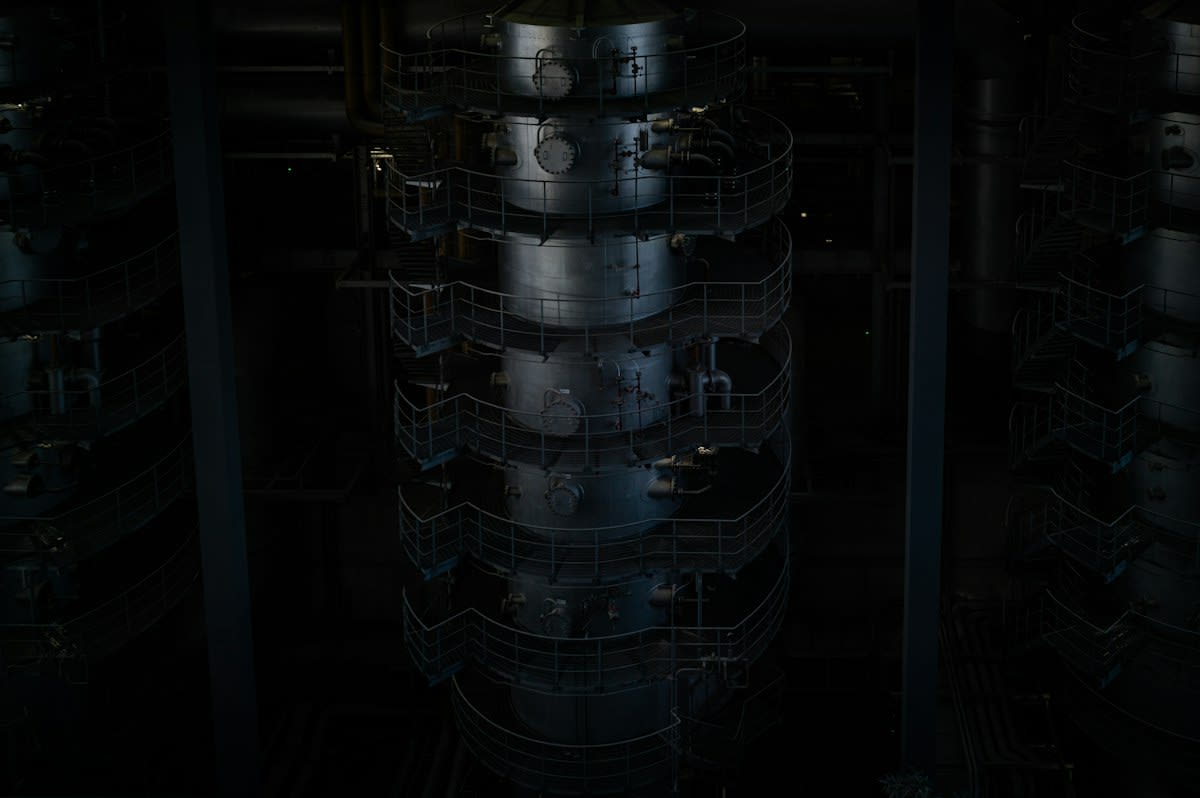
Solein is now real. 100% of its feedstock consists of carbon dioxide, hydrogen, and electricity (Source: TechRound, 2026). This microbial powder bypasses the need for arable land entirely. It replaces rust-pitted plows with stainless steel tanks and sterile tubing. The product entered the United States market in May 2026 through the Ambrosia Collective (Source: TechRound, 2026). In cities like Singapore, this gas-fermented protein is already on shelves, offering a way to decouple food security from geography.
The process relies on single-cell protein production. 2026 saw a surge in interest from organizations like the SSIC, which focuses on synthetic biology and metabolic engineering (Source: NutraIngredients, 2026). These entities use gas fermentation to turn CO2 and hydrogen into a nutrient-dense mass. The environment inside these reactors is copper-scented and sterile, far removed from the salt-burned fields of traditional agriculture. By utilizing precision fermentation, these companies are attempting to build a food system that breathes in waste and exhales calories.
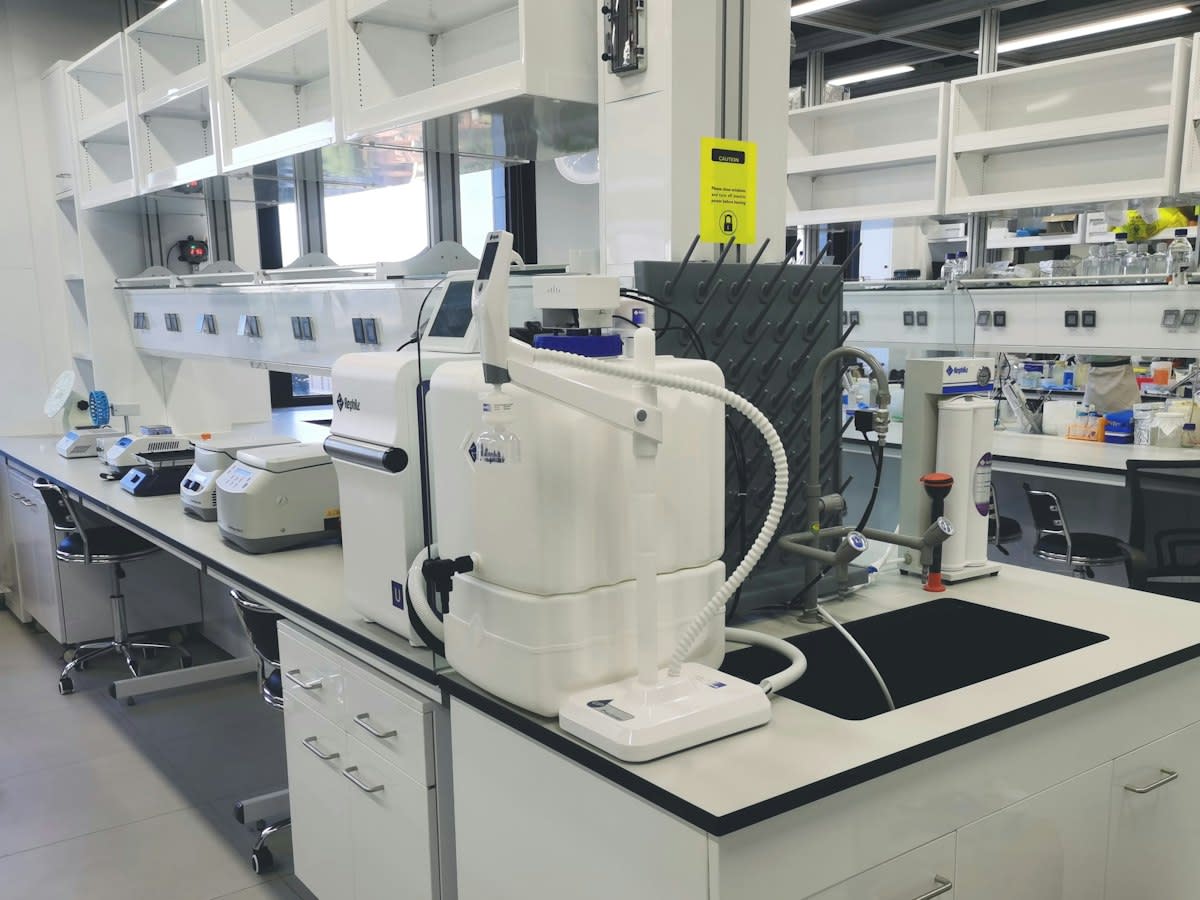
Scaling this technology requires a massive hardware expansion. 2035 is the projected horizon for the widespread adoption of single-use systems in the benchtop bioreactors market (Source: IndexBox, 2026). Current industry leaders like Eppendorf AG and Celltainer Biotech BV are providing the tools for strain screening and process optimization (Source: IndexBox, 2026). These machines allow scientists to tweak the microbial appetite, ensuring the bacteria consume CO2 at maximum efficiency. The result is a concrete-raw industrialization of nutrition where the factory is the farm.
"SSIC focuses on enabling technologies such as synthetic biology, precision fermentation, metabolic engineering and bioprocess development to accelerate innovation from proof of concept to commercial application."— SSIC Representative, via NutraIngredients (2026)
The hardware is only half the battle. 2026 research into MXene stability has introduced polymer coatings that boost CO2-to-methane production, a step that mirrors the needs of protein synthesis (Source: Phys.org, 2026). Similarly, metal-organic frameworks (MOFs) are being designed as Lego-brick structures to capture carbon dioxide more effectively (Source: CORDIS, 2026). These materials act as the lungs of the system, scrubbing the air to feed the microbes. Without this high-efficiency capture, the energy cost of sourcing pure CO2 would bankrupt the operation.
This movement toward gas-based protein is most urgent in emerging hubs. Lagos, Jakarta, and Kinshasa face extreme pressure on land and water resources. In these regions, a protein source that requires zero hectares of soil is not just an innovation but a necessity. The ability to produce Solein-like powders locally would eliminate the reliance on volatile global soy markets. It changes the power dynamic of food sovereignty by moving production from the field to the urban industrial zone.
The Circularity Calculation
Data suggests a massive potential for land recovery. -18% to 19% is the range of overseas land demand change when Carbon-Based Protein Waste (CBPW) inclusion in feed is prioritized (Source: Nature, 2026). This means that by utilizing carbon-derived proteins, we can potentially spare millions of hectares of forest from being converted into soy plantations. However, this is not a perfect equation. The trade-off often involves a massive increase in bioenergy production to power the fermentation process.
| Scenario | Bioenergy Production Increase | Overseas Land Demand Change |
|---|---|---|
| Energy-focused | 352-658% | -18 to 19% |
| Standard Circularity | 44-411% | -18 to 19% |
The numbers reveal a tension between energy and land. (Source: Nature, 2026). While land demand drops, the hunger for energy spikes, potentially leading to carbon leakage if the energy source is not truly green. In the FSS scenario, where global trade is impeded, the risk of production failure increases significantly (Source: Nature, 2026). This suggests that carbon protein is not a magic bullet but a tool that requires a stable, high-energy infrastructure to function without creating new environmental debts.
Practitioners in the field face a grease-slicked reality. The gap between a benchtop bioreactor and a 100,000-liter tank is where most startups die. It is not about the biology; it is about the plumbing, the heat exchange, and the sheer cost of hydrogen. In the lab, the process is clean. In the factory, it is a battle against contamination and pressure failures. Real-world friction occurs when the theoretical yield of a microbial strain fails to translate to a sulfur-thick industrial environment.
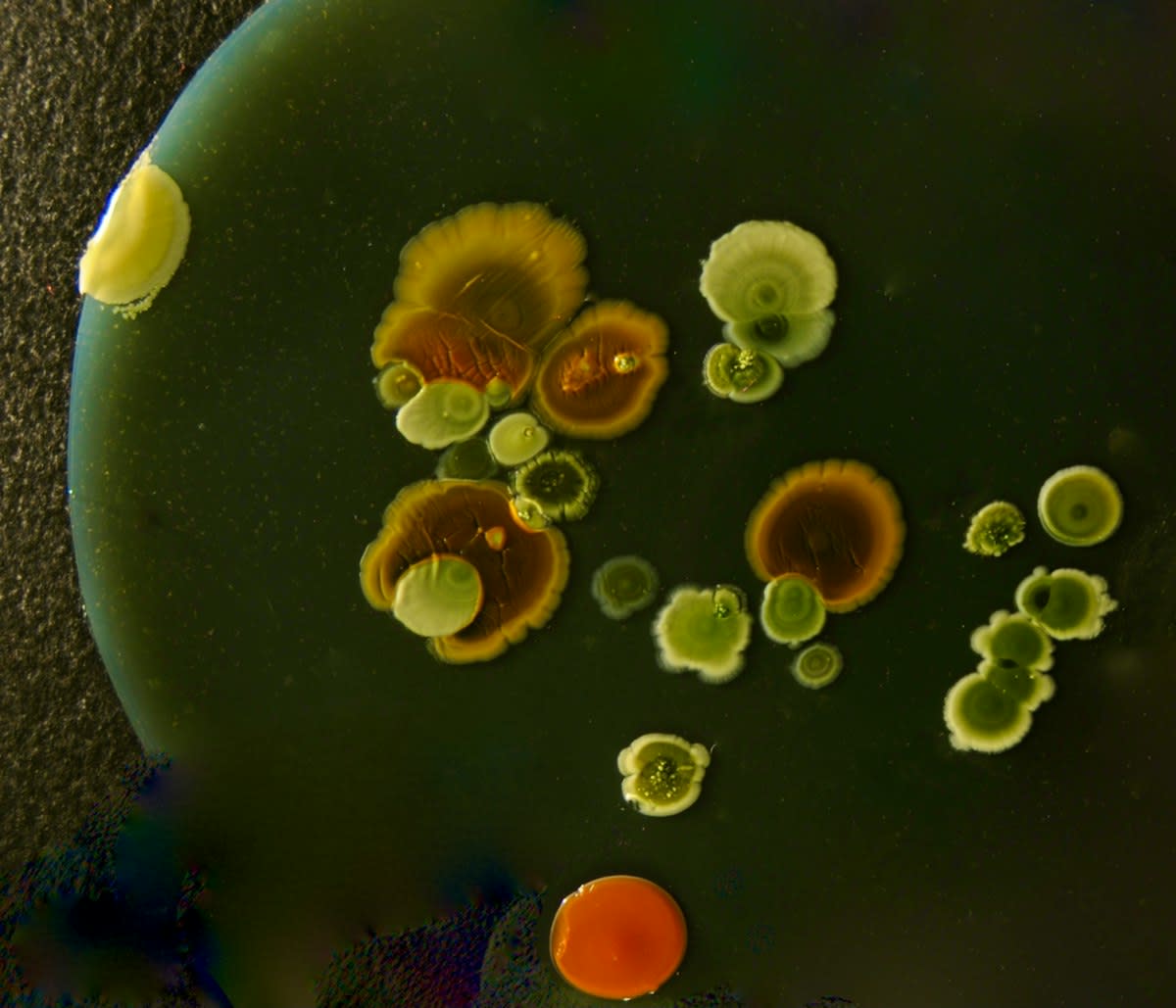
The economic viability of these proteins depends on the cost of electricity. 100% reliance on the grid makes these proteins vulnerable to energy price spikes. This is why the combination of MOFs for capture and precision fermentation for growth is so intricate. If the capture phase is inefficient, the entire cost structure collapses. The industry is currently betting that the cost of renewable energy will drop faster than the cost of traditional livestock farming.
Regulatory hurdles remain a significant barrier. Novel foods must pass rigorous safety checks before they can be scaled in markets like Dhaka or Sao Paulo. The transition from a niche sustainability product to a staple food requires a change in consumer perception. People must be comfortable eating powder grown from air. This is a psychological barrier that no amount of precision fermentation can solve on its own.
Failure Point
Carbon leakage risk is limited in most scenarios but becomes a critical failure point in the FSS model, where access to global trade is impeded and production shifts are inevitable (Source: Nature, 2026). This highlights the danger of relying on a centralized, trade-dependent carbon protein infrastructure.
Ultimately, the move toward carbon protein is a move toward industrial autonomy. By stripping the carbon from the air and the nitrogen from the atmosphere, we remove the middleman of the soil. This is the most radical change in food production since the Neolithic Revolution. It is a cold, mechanical process that promises a warm, nutrient-dense result.
Fact-Check & Accuracy Note
All statistics regarding bioenergy and land demand are sourced from Communications Earth & Environment (Nature, 2026). Market data for bioreactors is sourced from IndexBox (2026). Product availability for Solein is verified via TechRound (2026).