Netanyahu govt rejects flydubai bid to resume Israel flights after cockpit attack
Source Entity
ABHISHEK MISHRA
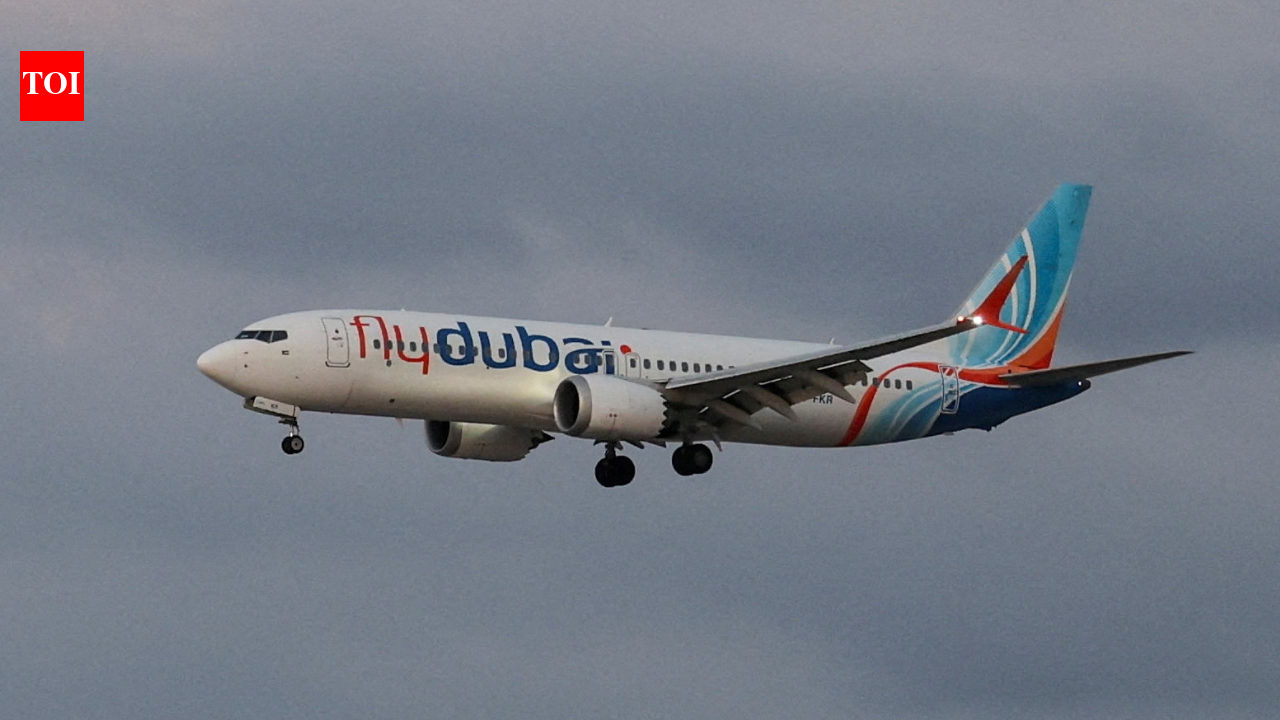
The Israeli government has denied Flydubai's request to resume flights following a violent mid-air cockpit attack by an Omani co-pilot against an Indian captain. Despite the airline's internal investigation and staff dismissals, officials remain cautious regarding passenger safety.
Security Concerns Ground Flydubai Flights to Israel
The Israeli government, led by Benjamin Netanyahu, has officially denied a request from the Dubai-based carrier, Flydubai, to resume flight operations into the country. This decision follows a harrowing mid-air incident occurring on September 30, where an Omani co-pilot, Hammam al-Hammami, physically assaulted the flight's captain, Indian national Smit Machchhar, inside the cockpit of flight FZ1073. The flight, which was carrying over 170 passengers—the majority of whom were Israeli citizens—was forced to make an emergency landing in Tabuk, Saudi Arabia, to manage the crisis.
The Gravity of the Mid-Air Assault
The attack on Captain Machchhar represents a rare and severe breach of aviation security protocol. In modern commercial aviation, the cockpit is intended to be a fortress of stability; a physical altercation between flight crew members directly threatens the structural and operational integrity of the aircraft. By endangering the lives of over 170 individuals, the incident has prompted a heightened state of alert within the Israeli transportation ministry. Transportation Minister Miri Regev has maintained a firm stance, signaling that the safety of Israeli citizens remains the paramount concern over the economic pressures of resuming air travel routes.
Flydubai’s Response and Internal Investigations
In the wake of the incident, Flydubai has attempted to mitigate the fallout by asserting that an internal investigation is nearing completion. The airline confirmed to Israeli authorities that several employees have been dismissed in response to the security failure. Furthermore, the airline has extended an invitation to Israeli transportation officials to visit Dubai to review their findings and safety protocols. Despite these proactive measures, the Netanyahu government has yet to be convinced that sufficient systemic changes have been implemented to guarantee the safety of future flights on this route.
Geopolitical and Diplomatic Implications
The incident occurs against a complex backdrop of regional aviation logistics. The flight was en route to Tel Aviv when the disruption necessitated an emergency diversion into Saudi Arabian airspace. This highlights the intricate nature of Middle Eastern flight paths and the necessity for high-level security cooperation between regional neighbors. The fact that the attacker was an Omani national serving on a UAE-based carrier adds a layer of diplomatic complexity, as the Israeli government must weigh its regional aviation ties against the immediate security threat posed by the conduct of foreign flight crews.
Future Trends in Aviation Security
Looking ahead, this event is likely to trigger a broader review of cockpit security protocols and pilot vetting processes across the region. Airlines operating flights to Israel, a country that maintains some of the most stringent aviation security standards globally, will likely face increased scrutiny regarding their crew management and psychological screening procedures. The refusal to immediately reinstate flight operations serves as a clear indication that Israel will prioritize rigorous safety audits over the rapid restoration of commercial connectivity, setting a precedent that security incidents will face significant, long-term regulatory consequences.
Multiple Citing Sources