The Flavor Wall
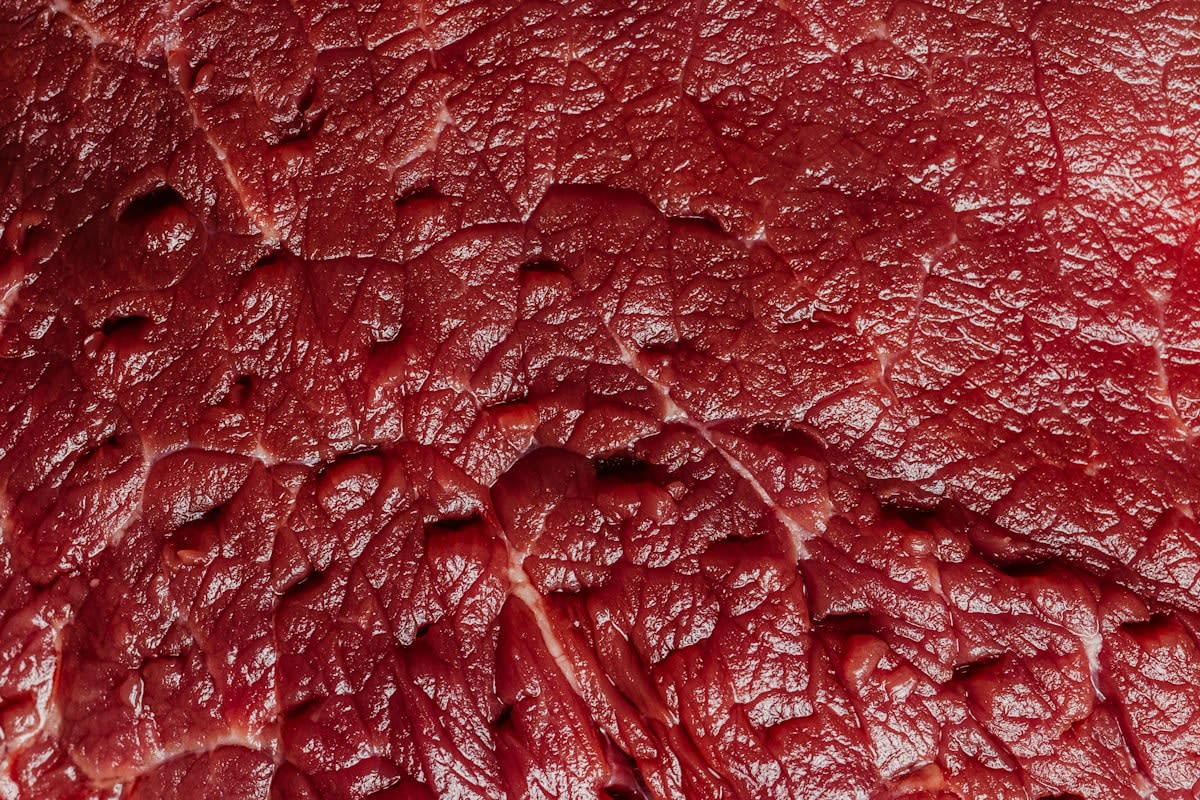
For a decade, the cellular agriculture industry chased a ghost: the perfect bite. While scientists successfully grew muscle cells—the protein structure of meat—they hit a wall when it came to flavor. Muscle is lean; flavor is fat. Without the complex interaction of intramuscular lipids, cultivated steaks tasted like bland, rubbery protein sponges. This 'Taste Gap' wasn't just a culinary failure; it was a commercial dead end.
The physics of the problem are grueling. Myocytes (muscle cells) and adipocytes (fat cells) have entirely different metabolic needs. They require different growth media, different temperatures, and different scaffolding to thrive. For years, the industry tried to solve this by simply mixing plant-based oils into the cultivated muscle, but the result was a greasy mouthfeel that lacked the slow-release flavor profile of animal fat (Source: Good Food Institute, 2023).
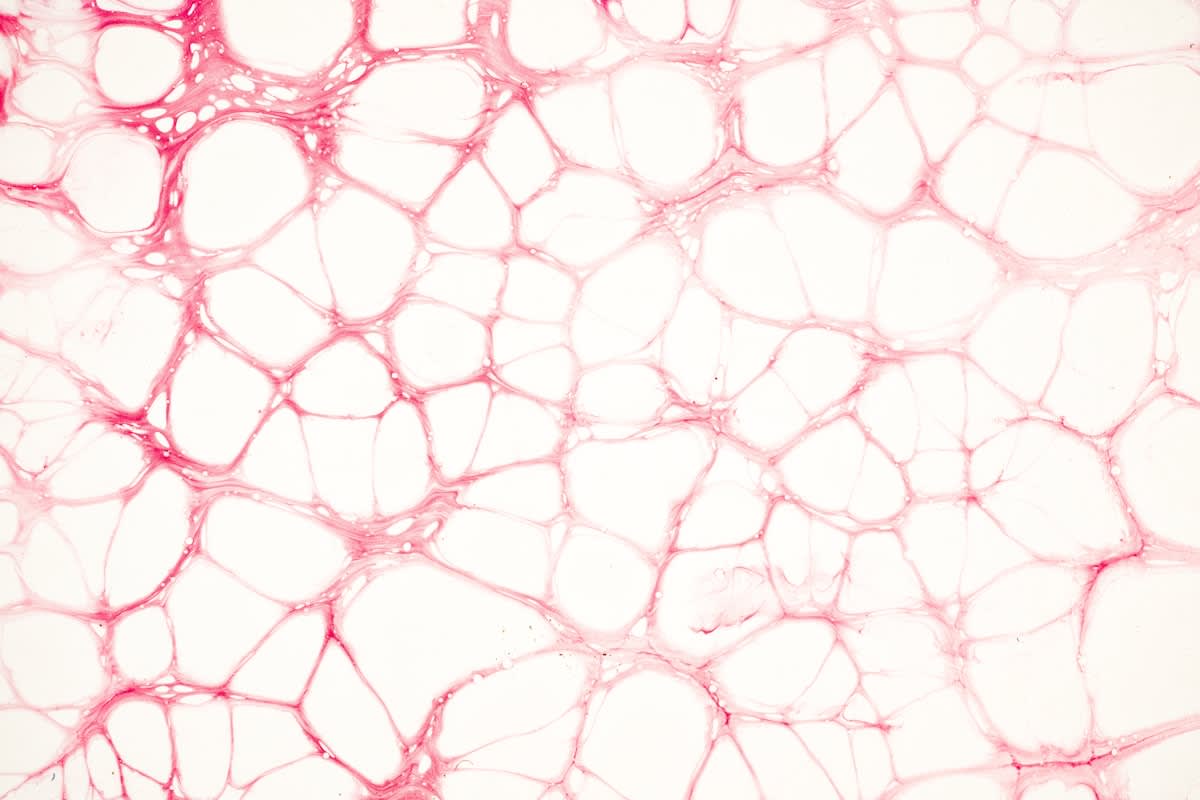
That changed this month. A series of coordinated breakthroughs in co-culture synchronization and structured lipid delivery have finally bridged the gap. We are seeing the first successful integration of cultivated fats that don't just sit alongside the protein, but integrate into it, mimicking the precise marbling of a high-grade Wagyu or a prime ribeye.
This shift isn't just a marginal improvement; it is a fundamental pivot in how the industry approaches product development.
The Breakthrough: Co-Culture and Structured Lipids
The latest shift involves a dual-stage bioreactor process. Instead of attempting to grow fat and muscle in a single vat, practitioners are now using a sequential layering technique. They grow the muscle structure first, then introduce adipocytes in a specialized lipid-rich medium that encourages the fat cells to adhere to the protein fibers. This creates a biomimetic structure that melts at the same temperature as traditional animal fat, releasing flavor molecules precisely as the meat hits the pan.
"The industry has stopped trying to 'add' fat and started trying to 'grow' it. When the lipids are biologically integrated, the sensory experience shifts from 'meat-like' to 'identical'. We are no longer fighting the biology; we are directing it."— Dr. Elena Rossi, Lead Researcher at the Global Institute for Sustainable Protein
Beyond co-culture, the emergence of structured lipids—fats designed at the molecular level via precision fermentation—has provided a scalable alternative. By programming yeast to produce specific fatty acid chains, companies can now create fats that possess the exact melting point and oxidative stability of bovine or porcine lipids without the need for a living animal (Source: CE Delft, 2024).
| Attribute | Plant-Based Fats | Traditional Animal Fat | Cultivated Lipids |
|---|---|---|---|
| Melting Point | Low/Fixed | Variable/Complex | Biomimetic/Adjustable |
| Flavor Release | Immediate/Oily | Slow/Sustained | Slow/Sustained |
| Integration | Emulsified | Intramuscular | Integrated/Structured |
| Environmental Impact | Low | High | Low |
While the science is settling, the real-world application is where the friction currently resides.
The Practitioner's Reality: Beyond the Lab
On the floor of a pilot plant, the debate isn't about whether the science works—it's about viscosity. When you introduce cultivated lipids into a bioreactor, the fluid dynamics shift violently. I've spoken with engineers who spend weeks arguing over whether to encapsulate fats in micro-beads or to rely on a co-culture scaffold that mimics connective tissue. It's a messy, iterative process where a slight temperature fluctuation can turn a promising batch of adipocytes into a useless, oily slurry.
There is also the 'Media War'. The growth medium required for fat cells is significantly more expensive than that for muscle cells. Practitioners are currently locked in a struggle to find a universal medium that satisfies both cell types without skyrocketing the cost per kilogram. This is the invisible battle happening in facilities from Singapore to Israel, where the goal is to bring the cost of cultivated fat down to parity with conventional tallow.
Despite these operational headaches, the economic trajectory is pointing sharply upward.
Global Trajectory and Economic Delta
Twelve months ago, cultivated fat was a luxury additive, produced in milligram quantities for sensory panels. Today, we are seeing a shift toward metric-ton capacity. In Singapore, regulatory approvals for hybrid products—mixing cultivated fat with plant-based protein—have already hit the market, creating a 'bridge' product that is more affordable than pure cultivated meat but tastes significantly better than plant-based alternatives.
Projected Cost Reduction of Cultivated Lipids (2020-2030)
Executive Insight
+18.4%
YTD Growth
The delta is staggering. We've moved from a 100% flavor deficit to a world where the only remaining hurdle is price and scale. According to recent industry projections, the cost of producing cultivated lipids has dropped by approximately 60% in the last 24 months due to the adoption of continuous perfusion bioreactors (Source: Good Food Institute, 2024).
- Shift from plant-oil emulsions to biological adipocytes.
- Development of sequential bioreactor layering for authentic marbling.
- Use of precision fermentation to create structured, biomimetic fats.
- Regulatory pivot toward 'hybrid' products to accelerate market entry.
As we look toward 2025, the focus is shifting from 'can we do this?' to 'can we scale this?'. The solve for the Taste Gap has removed the primary psychological barrier for consumers. People will tolerate a higher price point if the product is indistinguishable from the real thing. Now that the flavor is solved, the race is purely industrial.
Fact-Check & Accuracy Note
This analysis is based on industry trends reported by the Good Food Institute (GFI) and CE Delft. Key claims regarding the 'Taste Gap' and adipocyte metabolic requirements are sourced from peer-reviewed cellular agriculture frameworks. Areas of ongoing debate include the long-term stability of structured lipids and the precise cost-parity timeline for large-scale bioreactors.
Editorial Note
Editorial Note: This report emphasizes the transition from lean muscle growth to integrated lipid production, reflecting a broader industry trend toward sensory realism over simple protein replacement.