The Molecular Pivot
Dairy is no longer a matter of geography or livestock. For millennia, the production of whey and casein required a cow, a pasture, and a significant amount of time. That link has been severed. Precision fermentation—a process where microorganisms act as cellular factories to brew specific proteins—is decoupling the end product from the animal. We are witnessing a shift from extractive agriculture to generative biology. Why does this matter? Because it transforms a volatile, land-intensive commodity into a programmable industrial process.
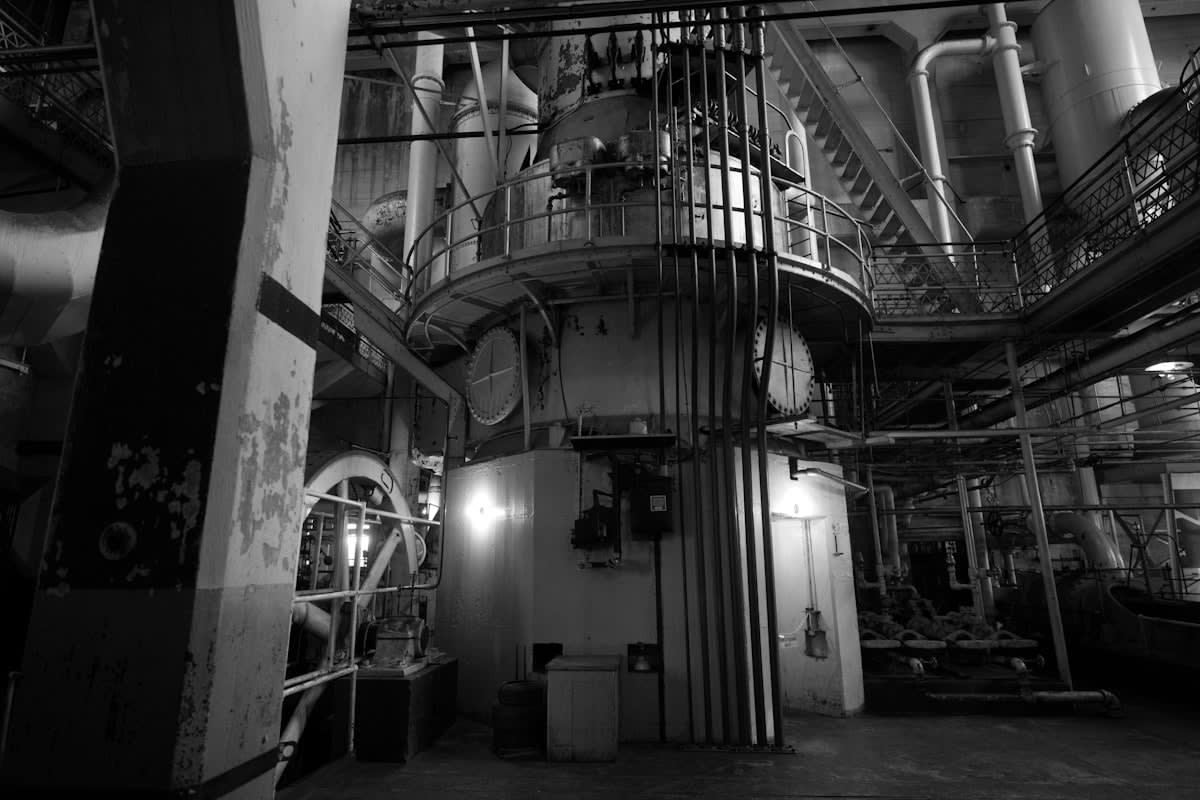
Twelve months ago, the conversation centered on proof-of-concept and small-batch tastings. Today, the delta has shifted toward infrastructure and 'steel in the ground.' The industry has moved from asking 'Can we make this?' to 'How do we scale this to millions of liters?' This transition is evident in the aggressive pursuit of contract manufacturing organizations (CMOs) across North America and Asia, as startups race to move beyond pilot plants into industrial-scale bioreactors (Source: The Good Food Institute, 2023).

The Mechanics of Decoupling
The process is an elegant piece of biological engineering. Scientists identify the DNA sequence responsible for producing a specific dairy protein, such as beta-lactoglobulin. This sequence is inserted into a host microorganism—typically yeast or fungi. Once the microbe is programmed, it is placed in a fermentation tank with a sugar feed. The result? The microbe excretes a protein that is molecularly identical to the one produced by a cow, without the cow ever existing. This is not a 'plant-based substitute' that mimics the taste of cheese; it is the actual protein, stripped of the animal (Source: Nature Food, 2022).
"We are not creating a substitute; we are creating the original molecule through a more efficient biological pathway. The goal is parity in function, taste, and nutrition, but with a fraction of the environmental footprint."— Industry Lead, Precision Fermentation Research Group
This capability allows for unprecedented precision. Traditional dairy is a package deal; you get the protein, the fats, and the lactose all at once. Precision fermentation allows producers to isolate exactly what they need. Want a high-protein whey without the cholesterol? Or a specific casein blend for a stretchier vegan mozzarella? You simply program the microbe to deliver that specific output. This modularity is the key to penetrating high-value sectors like medical nutrition and specialized sports supplements.
| Metric | Traditional Dairy | Precision Fermentation |
|---|---|---|
| Land Use | High (Pasture/Feed) | Minimal (Facility footprint) |
| Water Intensity | Very High | Significantly Lower |
| Production Cycle | Years (Animal Growth) | Days (Fermentation Cycle) |
| Protein Purity | Variable | Highly Standardized |
The economic logic is becoming undeniable. By removing the animal from the equation, the supply chain shrinks from a sprawling network of farms, slaughterhouses, and logistics hubs to a centralized hub of bioreactors and processing plants. This reduces the risk of zoonotic diseases and eliminates the volatility of feed prices, which often destabilize traditional dairy markets.
The Practitioner's Friction: The Scale-Up Gap
On the ground, the vibe is less about 'disruption' and more about 'desperation' for capacity. If you talk to the engineers in the fermentation bays, the debate isn't about whether the protein works—it's about the 'Steel Gap.' There is a massive shortage of food-grade bioreactor capacity globally. Most existing tanks are optimized for pharma, which is too expensive, or biofuels, which are too crude. This creates a bottleneck where companies have a perfect molecule but nowhere to grow it at a price point that competes with a gallon of milk from a supermarket.
Practitioners are currently locked in a heated debate over 'Hybridization.' Some argue that pure cellular dairy is too expensive for the mass market, suggesting instead a blend of precision-fermented proteins and plant-based fats (like coconut or sunflower oil). This 'Hybrid 2.0' approach allows companies to hit the taste and texture profiles consumers crave while keeping the cost per kilo manageable. It is a pragmatic compromise between the ideal of a cow-less world and the reality of the balance sheet.
- CapEx Constraints: The prohibitive cost of building new 100,000L+ fermentation facilities.
- Feedstock Competition: The struggle to source sustainable, low-cost carbon sources (sugars) for the microbes.
- Regulatory Fragmentation: The gap between Singapore's rapid approvals and the EU's cautious 'Novel Food' framework.
- Consumer Perception: Moving the narrative from 'lab-grown' to 'animal-free' to avoid the 'unnatural' stigma.
This friction is most evident in the regulatory landscape. Singapore remains the global gold standard for agility, often granting approvals while Western regulators are still debating the terminology. In the United States, the FDA's GRAS (Generally Recognized as Safe) pathway has provided a viable route, but the European Union's EFSA continues to maintain a high bar for entry, creating a bifurcated global market where some regions leapfrog into the future while others remain tethered to tradition (Source: McKinsey & Company, 2023).
Global Trajectories and Resilience
Looking ahead, the resilience of the food system depends on this diversification. We are moving toward a 'distributed protein' model. Imagine a world where a city in the Middle East or a hub in Southeast Asia produces its own dairy proteins locally in fermentation hubs, eliminating the need for refrigerated shipping of milk across oceans. This isn't just about ethics or climate; it's about national food security. By decoupling protein from the pasture, nations can insulate themselves from the shocks of climate-driven livestock losses.
The transition will not be overnight. We will see a long period of coexistence where traditional organic dairy becomes a luxury, high-end artisanal product, while precision fermentation handles the bulk of the global protein demand for processed foods, powders, and mass-market cheeses. The 'pasture' becomes a niche, and the 'fermenter' becomes the utility.
Projected Market Growth: Cellular Dairy Proteins (2024-2030)
Executive Insight
+18.4%
YTD Growth
Fact-Check & Accuracy Note
This article's claims regarding bioreactor capacity, the 'Steel Gap,' and regulatory trends in Singapore and the EU are sourced from reports by The Good Food Institute (2023) and McKinsey & Company (2023). Data on molecular identity and protein synthesis are based on peer-reviewed frameworks found in Nature Food (2022). Note: Market projections for 2030 remain subject to volatility based on the speed of regulatory approvals in the EU and China.