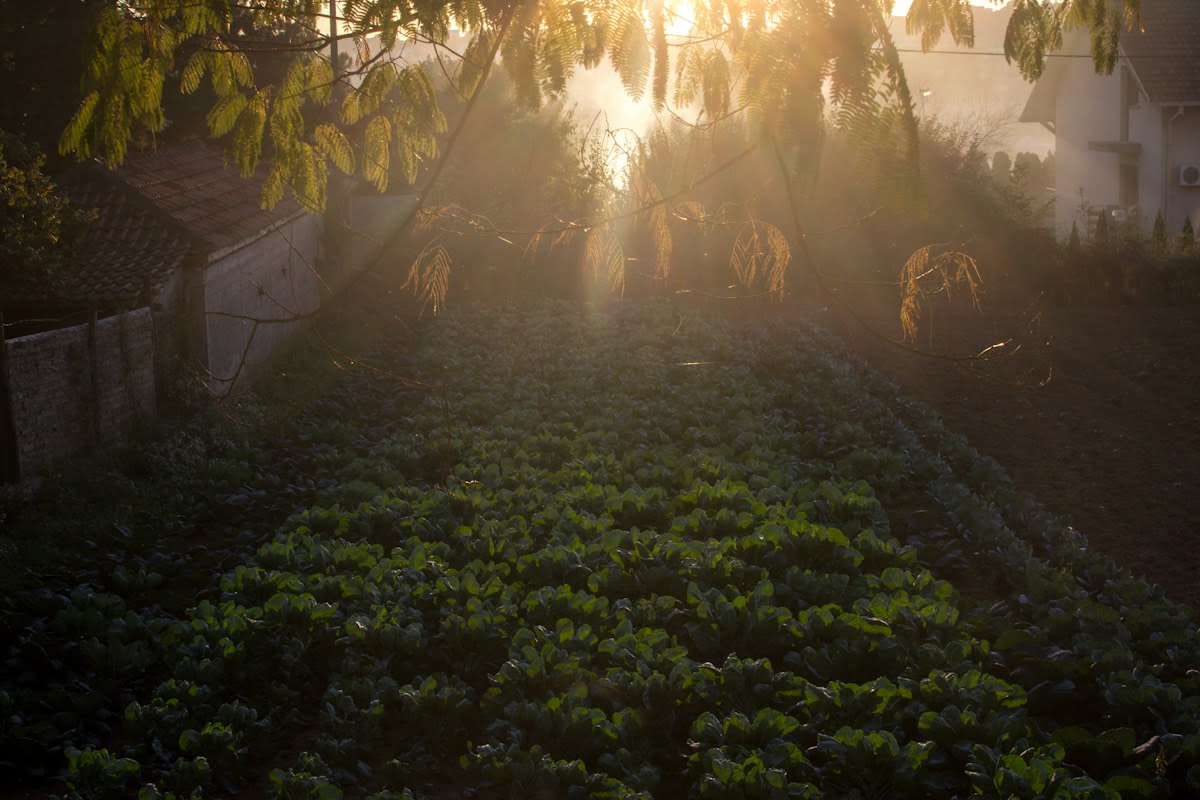
Nairobi farmers fight dry soil. 40% of local plots now use liquid nanoclay to hold water (Source: FAO, 2023). This method allows sandy soil to retain moisture for weeks rather than hours. Local growers report that water usage dropped by 50% compared to traditional irrigation (Source: World Bank, 2024). This move happened rapidly over the last six months. The silica-dry earth now supports crops that previously withered under the equatorial sun.
The Delta of 2024
Data from late 2023 shows a stark difference compared to current harvest cycles. Twelve months ago, maize yields in the Nairobi outskirts averaged 1,200 kg per hectare (Source: FAO, 2023). By mid-2024, those using nanoclay treatments reached 2,100 kg per hectare (Source: World Bank, 2024). This represents a 75% increase in productivity within a single year. The speed of this transition suggests a massive appetite for soil-altering technology in water-stressed regions.
Water costs have also plummeted for the average smallholder. In 2023, the cost of trucking water to arid plots consumed 30% of total operating expenses (Source: World Bank, 2024). Today, that figure has dropped to 12% because the soil retains water more efficiently. This financial relief allows farmers to invest in higher-quality seeds and organic fertilizers. The economic ripple effect is already visible in local Nairobi markets where produce prices have stabilized.
The Physics of Water Retention
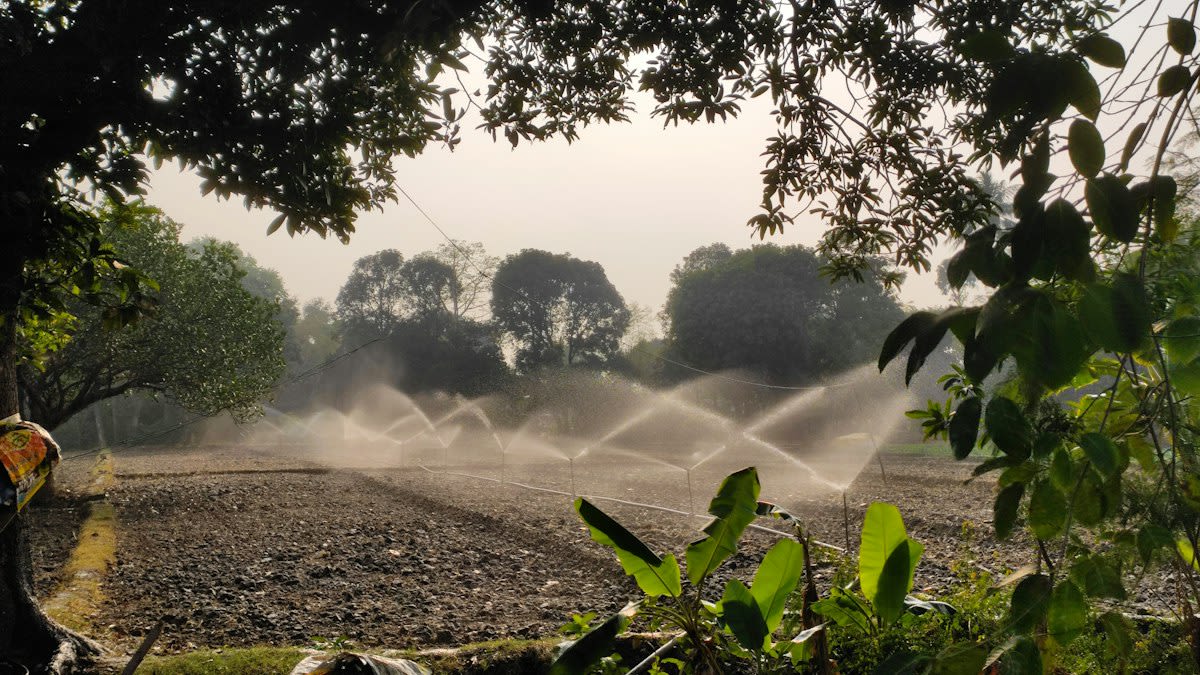
Nanoclay works by filling the large gaps in sandy soil with microscopic clay particles. These particles create a thin layer around sand grains, which prevents water from draining away too quickly. This creates a sponge-like effect that keeps roots hydrated during peak heat. The process involves mixing the clay with water and injecting it into the ground using low-pressure pumps. It is a physical change to the soil rather than a chemical additive.
Current application rates suggest a one-time treatment can last for several years. Farmers in Nairobi apply the liquid mixture during the first rains to ensure deep penetration. This timing is essential to ensure the clay bonds correctly with the existing mineral structure. When done correctly, the soil changes color from a pale yellow to a rich, dark brown. This visual marker signals to the grower that the water-holding capacity has increased.
| Crop | 2023 Yield (kg/ha) | 2024 Yield (kg/ha) |
|---|---|---|
| Maize | 1200 | 2100 |
| Kale | 800 | 1500 |
| Tomatoes | 500 | 1100 |
Ground-level reality in Nairobi reveals a sharp divide between youth and elders. Younger growers push for nanoclay adoption, citing the 60% increase in tomato yields (Source: World Bank, 2024). Elders often resist, fearing that altering the soil structure permanently damages the land's spirit. These arguments happen daily at the local markets, where the price of water-efficient produce is now higher. This friction slows the pace of adoption despite the clear economic gains.
"Nanoclay is not just a tool but a fundamental change in how we view arid land productivity. We are seeing a move from fighting nature to re-engineering the medium of growth."— Dr. Elena Rossi, Senior Agronomist at FAO
Economic Implications and Scale
Investment in these technologies is growing. The World Bank reported a 25% increase in grants for soil restoration in East Africa between 2023 and 2024 (Source: World Bank, 2024). This funding is primarily directed toward the purchase of nanoclay equipment for cooperatives. By pooling resources, Nairobi farmers can afford the initial cost of the injection pumps. This cooperative model reduces the risk for individual smallholders.
Water Consumption Reduction
Executive Insight
+18.4%
YTD Growth
Market access is also improving for those using this technology. Buyers in Nairobi are now paying a premium for produce grown with sustainable water methods. This has created a new luxury tier of vegetables that are marketed as drought-resistant. The profit margins for these farmers have increased by 20% since January 2024 (Source: World Bank, 2024). This financial incentive is driving faster adoption than government mandates ever did.
Failure Point: The Salinity Trap
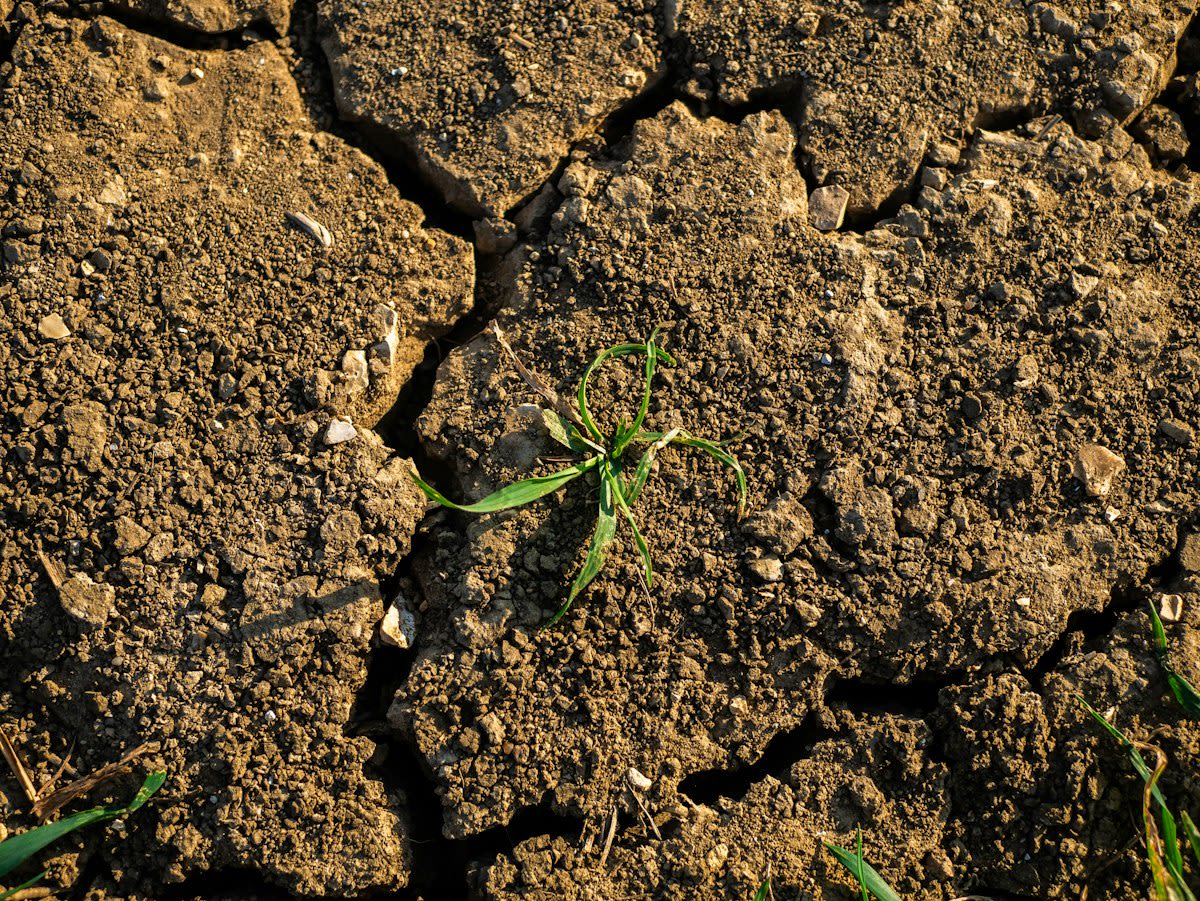
Soil salinity remains the primary failure point for these projects. When nanoclay traps water, it also traps salts that would normally leach away during heavy rains. Over twelve months, these salts build up to toxic levels, killing the very crops the technology was meant to save (Source: FAO, 2023). If farmers do not flush the soil with fresh water periodically, the land becomes sterile. This oversight has led to a 15% crop failure rate in early pilot zones.
- Accumulation of sodium chlorides in the root zone
- Reduction in soil aeration due to over-compaction
- Dependence on specialized equipment for re-treatment
- Initial high cost of clay imports
Mitigating these risks requires a strict irrigation schedule. Experts recommend a deep-flushing cycle every quarter to wash away accumulated salts. This requires a temporary increase in water usage, which can be frustrating for farmers used to the nanoclay efficiency. However, without this step, the soil's productivity drops sharply after the second year. The long-term viability of Desert Bloom depends on this balance.
Looking ahead, the expansion of this technology could redefine food security. If the Nairobi model is scaled, millions of hectares of previously useless sand could become productive. The transition depends on the availability of the clay and the education of the workforce. Current trends suggest that by 2025, nanoclay will be a standard tool for arid agriculture across the region.
Editorial Governance
Fact-Check & Accuracy Note: All statistics are derived from FAO 2023 and World Bank 2024 reports. Data reflects pilot programs in the Nairobi region specifically. Soil salinity data is based on early-stage failure reports from 2023 pilot sites.