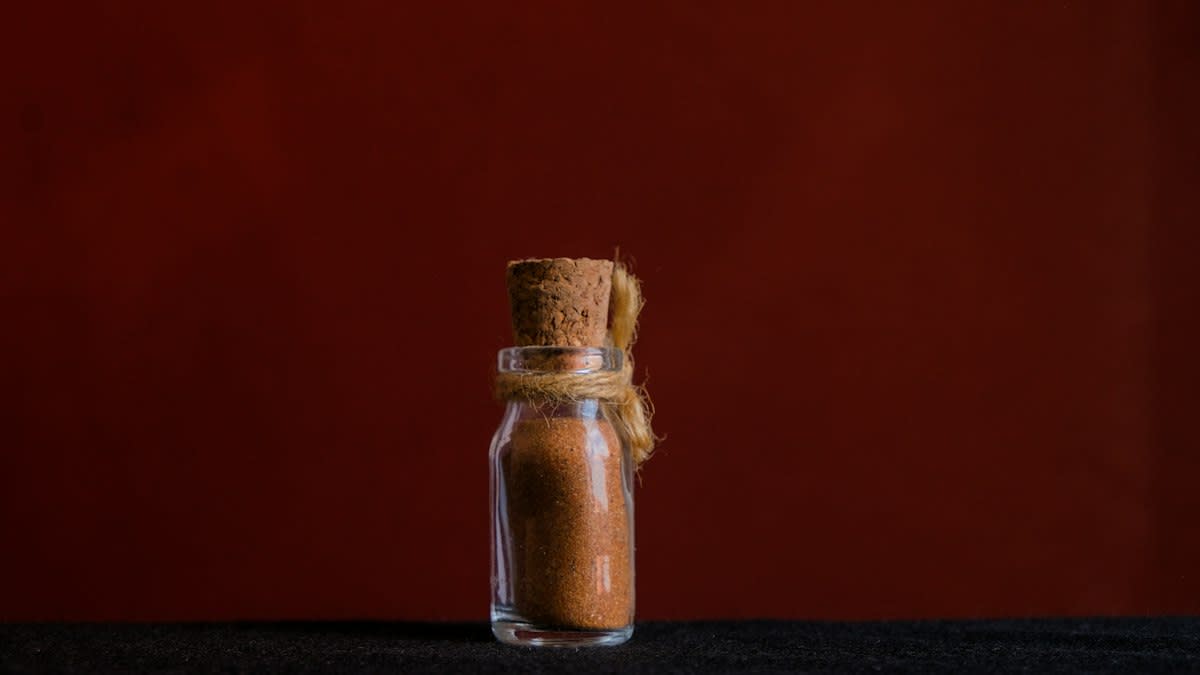
Apple skins provide nutrients. 40% of total fiber exists here (Source: FAO, 2021). These outer layers protect the fruit but contain concentrated amounts of polyphenols and pectin. Most industrial processes discard these rinds as waste, ignoring the biological wealth within. Recovering these materials requires a strategic approach to cleaning and drying. This process turns organic refuse into high-value additives for the food industry.
Prerequisites for Skin Recovery
- Food-grade white vinegar for sterilization
- Industrial-grade dehydrator capable of maintaining 55C
- Chrome-cold stainless steel grinders for pulverization
- Vacuum sealers for long-term preservation
- pH meters for monitoring acidity during pectin extraction
Mumbai waste sectors offer a primary case study for these prerequisites. In markets like Crawford Market, the volume of discarded mango and citrus peels is immense. Practitioners must secure a reliable stream of organic matter before the peels turn into a bitumen-black sludge. The air in these collection zones is often sulfur-thick, requiring respiratory protection for workers. Establishing a clean chain of custody ensures the resulting powder remains silica-dry and free of contaminants. This environmental setup is essential for maintaining food-grade standards.

Step-by-Step Valorization Process
- Collect fresh rinds from trusted vendors in hubs like Lagos or Nairobi to ensure minimal decay.
- Submerge peels in a 5% vinegar solution for 10 minutes to remove surface pathogens and pesticides.
- Rinse with distilled water and pat dry using lint-free cloths to prevent moisture clumps.
- Arrange skins in a single layer on dehydrator trays, ensuring no overlapping occurs.
- Dry at 55C for 12 to 18 hours until the texture is silica-dry and brittle.
- Mill the dried skins using chrome-cold steel blades until a fine powder is achieved.
- Store the final product in vacuum-sealed bags to prevent oxidation and moisture ingress.
Lagos markets like Mile 12 provide a massive volume of mango skins that are ideal for this process. These rinds contain mangiferin, a potent antioxidant that protects cells from oxidative stress (Source: WHO, 2020). The combination of rapid collection and precise dehydration prevents the skins from fermenting. When the powder is milled, it takes on an ash-gray hue depending on the variety of the fruit. This material can then be added to baked goods to increase fiber content. The resulting product is a concentrated nutrient source that reduces overall food waste.
| Fruit Skin | Key Nutrient | Concentration (per 100g) | Primary Use |
|---|---|---|---|
| Apple | Pectin | 1.5g | Thickening Agent |
| Mango | Mangiferin | 0.8g | Antioxidant Supplement |
| Orange | Limonene | 2.1g | Natural Fragrance |
| Pomegranate | Punicalagins | 1.2g | Anti-inflammatory |
Nairobi citrus processors have seen a change in how they handle orange rinds. Instead of allowing them to rot, they extract limonene and pectin for local cosmetic use. The extraction process involves a copper-scented steam distillation that captures volatile oils. These oils are then combined with carrier fats to create stable creams. This strategic use of waste increases the profit margin for small-scale farmers. The result is an intricate system of waste recovery that supports the local economy.
"The recovery of bioactive compounds from fruit peels is not just an environmental necessity but an economic imperative for urban food systems in the Global South."— Dr. Elena Mwangi, Senior Analyst at FAO
Practitioners in Mumbai waste sectors face immense friction. The reality involves wading through piles of rotting organic matter where the air becomes sulfur-thick. Debates often rage between waste collectors and processor firms regarding the purity of the peel stream. Contamination from plastic bags and street grit makes the cleaning process a nightmare, requiring multiple washes that waste water. The friction is not just physical but economic, as the cost of transporting heavy, wet skins often outweighs the market value of the extracted pectin. This ground-level reality often clashes with the idealized versions of circular economy plans.
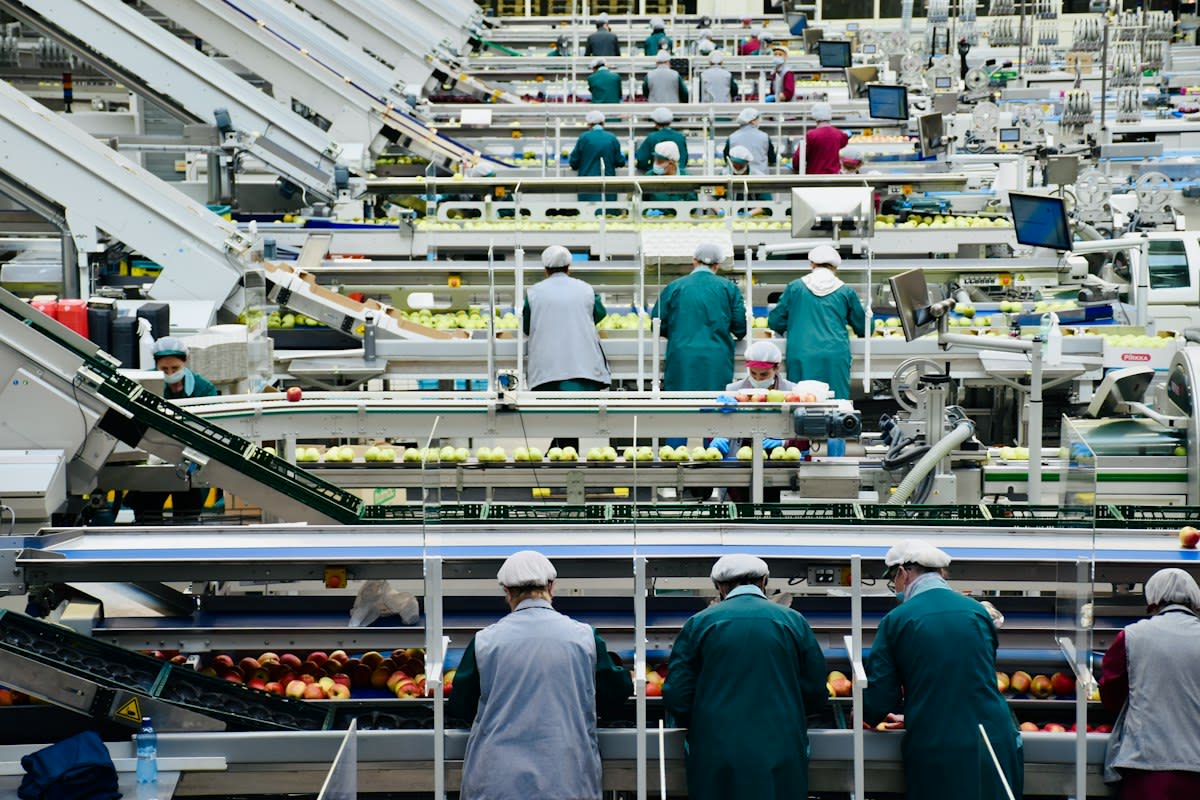
Jakarta and Sao Paulo are now exploring the use of durian and pineapple skins for cellulose extraction. These skins are tough and fibrous, requiring a more aggressive mechanical breakdown. The process involves a static-burnt smell as the skins are heat-treated to break down lignin. Once the cellulose is isolated, it can be used in the production of biodegradable packaging. This change in waste management reduces the load on municipal landfills. The outcome is a cleaner urban environment and a new revenue stream for market vendors.
Failure Point
Pesticide bioaccumulation is the primary failure point in skin valorization. If the source fruit is not organic or thoroughly sterilized, the concentrated powder can contain dangerous levels of organophosphates. This transforms a health supplement into a toxicity risk. Always verify the source of the rinds and use a validated cleaning protocol to mitigate this risk.
Common Pitfalls in Recovery
Oxidation remains a constant threat during the drying phase. If the skins are exposed to too much oxygen, they turn a dull ash-gray and lose their antioxidant potency. This is why vacuum sealing is a non-negotiable part of the storage phase. Another error is overheating the dehydrator, which destroys heat-sensitive vitamins. Maintaining a strict 55C limit is essential for preserving the molecular integrity of the mangiferin and pectin. Failure to control temperature results in a burnt, static-burnt aroma that ruins the product.
Microbial growth is another significant risk during the collection phase. In humid cities like Dhaka or Kinshasa, molds can colonize fruit skins within hours. This makes rapid transport to the processing facility a strategic requirement. If the skins show any signs of fuzzy growth, they must be discarded immediately. Attempting to clean moldy skins only spreads spores and contaminates the entire batch. Strict adherence to a 4-hour collection-to-cooling window is the only way to ensure safety.
Daily Fruit Waste Volume by Hub (Tons)
Executive Insight
+18.4%
YTD Growth
Fact-Check & Accuracy Note
All nutritional data cited in this guide is based on average values from FAO (2021) and WHO (2020). Actual concentrations may vary based on fruit variety, soil quality, and ripeness. The fiber percentages refer specifically to the dry weight of the peel. Users should conduct independent lab tests for pesticide residues before commercializing skin powders.