Trump govt ordered to cancel taxpayer-funded promotional TV ads; $20 million in immigration spending faces scrutiny
Source Entity
Latest News: Todays Latest News Headlines from India & World | Hindustan Times | Hindustan Times
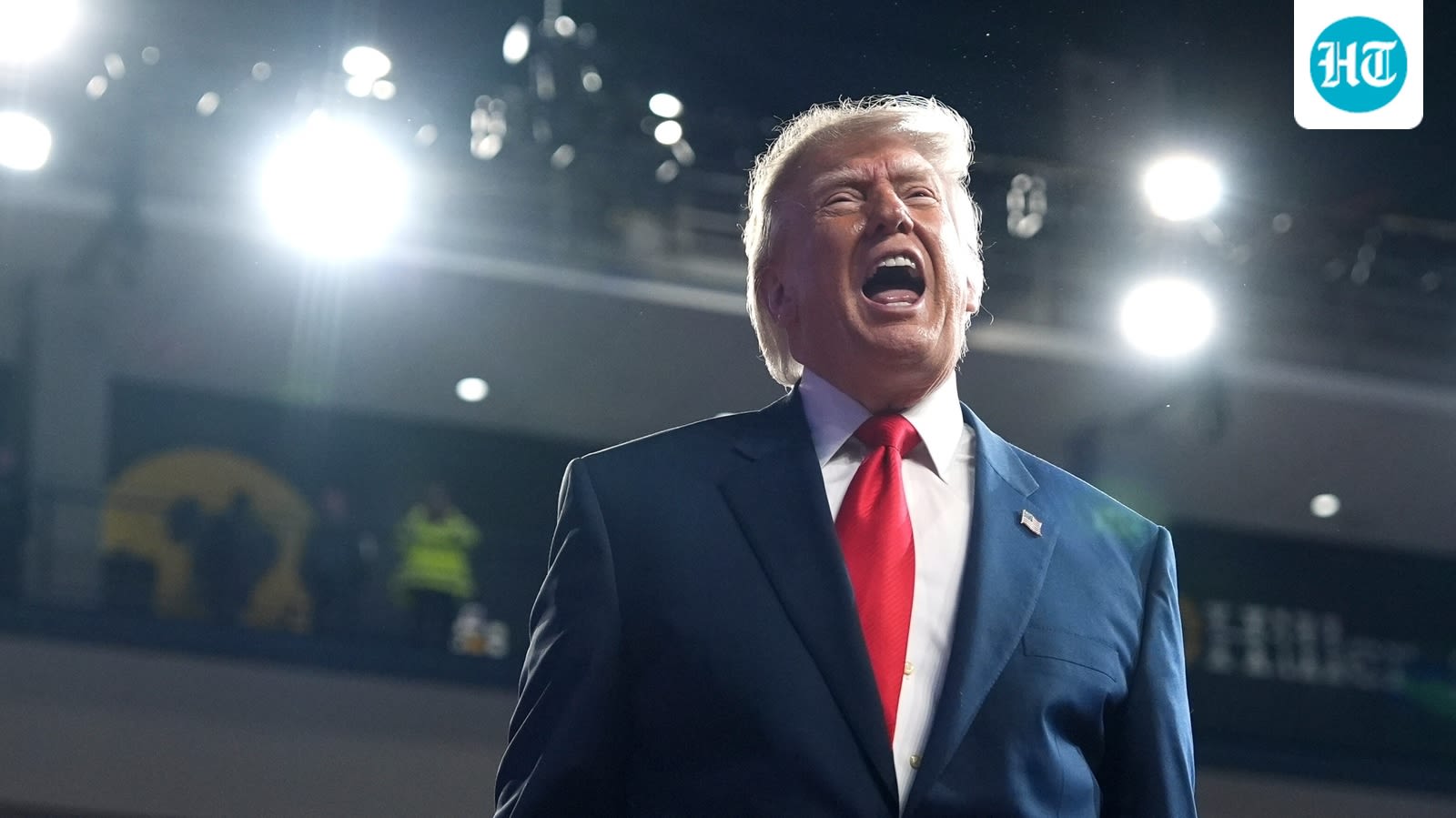
A US federal judge has issued a temporary restraining order forcing the Trump administration to halt a $20 million taxpayer-funded ad campaign. The court sided with advocacy groups who argued the commercials functioned as illegal political propaganda ahead of the midterm elections.
Judicial Intervention in Federal Advertising
In a significant legal development, US District Judge Jennifer L. Rochon has issued a temporary restraining order against the Trump administration, mandating the immediate cessation of a $20 million television advertising campaign. The court’s decision arrives following a legal challenge initiated by a coalition of plaintiffs, including the nonpartisan watchdog group Common Cause and the Service Employees International Union Local 32BJ. The core of the judicial intervention centers on the allegation that the administration misappropriated public funds to disseminate content that functions more as political messaging than legitimate government communication.
The Legal Basis for the Restraining Order
The court’s ruling specifically bars the administration from entering into, renewing, or expanding any agreements related to the development, placement, or airing of these advertisements during the two-week duration of the order. Judge Rochon’s decision effectively halts the campaign, which was financed by a $20 million contract through the Department of Homeland Security. By granting this temporary relief, the court has signaled that the plaintiffs have presented a credible argument regarding the potential misuse of taxpayer resources for partisan objectives.
Implications for Executive Transparency and Ethics
Critics of the campaign have characterized the advertisements as government-funded propaganda. The timing of this expenditure is particularly contentious, as it coincides with the lead-up to the midterm elections. The legal challenge suggests that the administration utilized the Department of Homeland Security’s budget to influence the electoral landscape, raising fundamental questions about the boundaries between executive communication and taxpayer-funded political campaigning. This case highlights the role of the judiciary in acting as a check on executive overreach, particularly when public funds are allegedly leveraged to sway congressional outcomes.
Historical Context of Government Messaging
The intersection of government advertising and political influence is a recurring theme in American political history. Federal agencies often engage in public information campaigns regarding health, safety, or immigration. However, when these campaigns transition into messaging that mirrors political rhetoric or appears timed to benefit an incumbent party, they inevitably face intense scrutiny from watchdog organizations. The current litigation underscores the tension between the executive branch’s duty to inform the public and the legal mandate to maintain political neutrality in government-funded outreach.
Future Trends and Judicial Precedent
This ruling establishes a critical precedent for future administrations regarding the limits of agency-funded advertising. As the case moves forward, the court will likely delve deeper into the specific procurement processes used to authorize the $20 million contract. If the court eventually finds that the funds were indeed used for partisan campaigning, it could lead to more stringent oversight and stricter legal standards for how federal departments allocate their promotional budgets. Ultimately, this case serves as a reminder of the vital role that nonpartisan watchdogs and the independent judiciary play in safeguarding the integrity of democratic processes against the potential weaponization of government resources.
Multiple Citing Sources
Verification Required?