Trump’s Diesel Insult to Lindsey Graham
Source Entity
Latest News: Todays Latest News Headlines from India & World | Hindustan Times | Hindustan Times
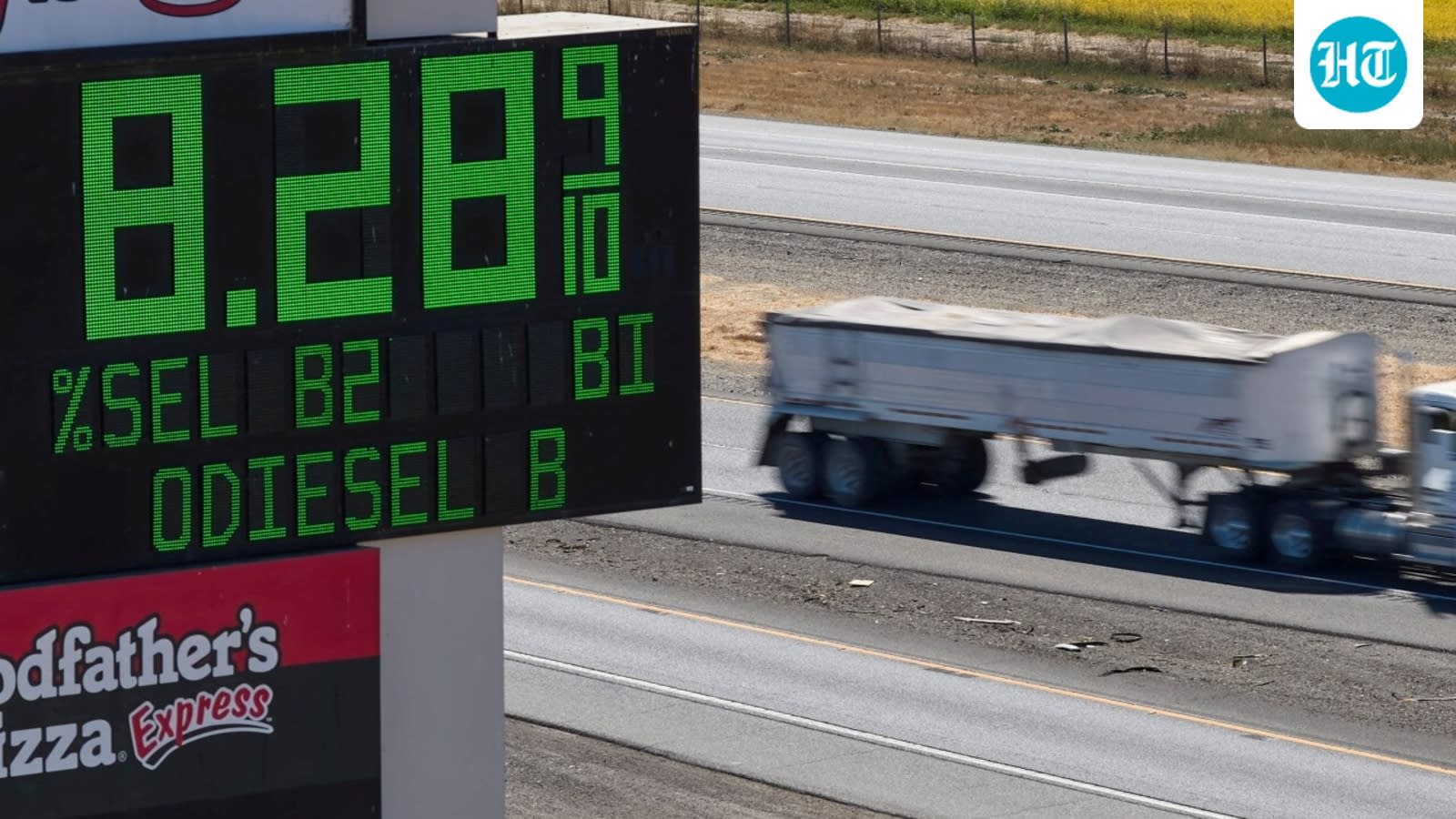
President Trump has announced a deal to import Russian diesel to address supply shortages ahead of the midterms, coinciding with a declared energy ceasefire between Russia and Ukraine. Analysts remain skeptical that the agreement will significantly lower fuel prices amid ongoing global instability and Middle East tensions.
The Geopolitical Shift: Trump’s Russian Diesel Deal
President Donald Trump has initiated a controversial energy agreement involving the purchase of up to 4.8 million tons of Russian diesel fuel. The administration, citing a need to address domestic supply crunches ahead of the midterm elections, has secured a temporary waiver from the U.S. Treasury to lift specific sanctions on Russian energy exports through April 7. This decision marks a significant pivot in U.S. foreign policy, moving toward direct economic engagement with the Kremlin despite the ongoing conflict in Ukraine.
The Mechanics of the Agreement
The procurement plan is structured in stages, beginning with an immediate delivery of 300,000 tons, followed by subsequent tranches in November and beyond. President Trump has framed this as a tactical move to bolster domestic reserves. However, the move has drawn sharp criticism from observers who argue that by facilitating these exports, the U.S. is effectively subsidizing the Russian economy during a period of high-intensity warfare, potentially undermining the efficacy of broader international sanctions regimes.
The 'Energy Ceasefire' and Strategic Uncertainty
Simultaneous to the diesel deal, President Trump announced an "energy ceasefire" between Russia and Ukraine. This diplomatic maneuver is intended to halt attacks on energy infrastructure, which have been a hallmark of the conflict. Yet, the announcement was met with immediate skepticism; reports indicate that Russia continued to strike Ukrainian power plants shortly after the declaration. This raises fundamental questions about the enforceability of such agreements and the potential for the Kremlin to utilize the respite to rearm or reposition its forces.
Market Reactions and Price Volatility
Global energy markets have reacted with characteristic volatility. Brent crude prices hovered around $104.50 per barrel following the announcement, reflecting a cautious market response. While the promise of increased diesel supply initially caused a slight dip in oil prices, analysts remain largely unconvinced that the influx of 4.8 million tons will provide meaningful relief at the pump for American consumers. The market is currently more preoccupied with the broader risks of an escalating conflict involving Iran and potential disruptions at the Strait of Hormuz.
Historical Context and Political Fallout
The shift in policy has sparked intense domestic debate, with critics invoking the legacy of the late Senator Lindsey Graham to highlight what they describe as a moral and strategic departure from traditional U.S. foreign policy. The alignment with Vladimir Putin is viewed by many as a radical break from the established consensus on Russian containment. As the midterms approach, the administration’s reliance on Russian energy to solve domestic supply issues serves as a flashpoint for political discourse regarding sovereignty, security, and the long-term consequences of prioritizing short-term economic fixes over geopolitical stability.
Multiple Citing Sources
Verification Required?