Rahul Gandhi peddling lies on SIR to cover Congress poll defeats: Amit Shah
Source Entity
RAKESH KUMAR
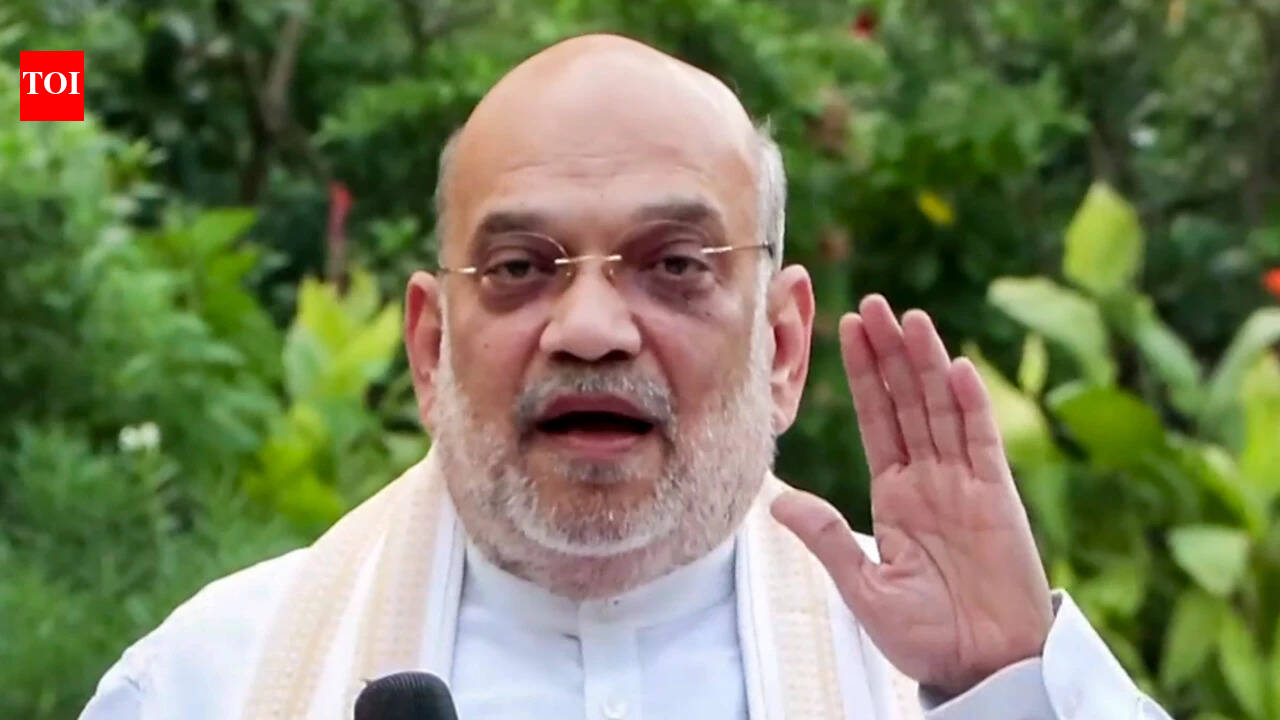
Indian political discourse is currently dominated by debates over electoral accountability, the regulation of public protest spaces, and the shifting relationship between legal institutions and political parties. These developments highlight ongoing tensions between the ruling government, the opposition, and the judiciary.
The Interplay of Political Accountability and Judicial Oversight
The current political landscape in India is characterized by a high-stakes exchange regarding the role of institutions and the efficacy of political strategy. Recent remarks by senior BJP leader Shivraj Chouhan, which attribute the Congress party's electoral setbacks to 'directionless leadership' rather than the Election Commission, underscore a broader trend of shifting the onus of electoral performance away from constitutional bodies and toward internal party management. This rhetoric is a significant component of the ongoing narrative surrounding democratic accountability in the country.
The Contestation of Public Space
Simultaneously, the debate over the regulation of protest sites, specifically the designation of Jantar Mantar, has ignited strong reactions from activists and legal professionals. The reaction from the Citizens for Justice and Peace (CJP)—'Ab poora desh Jantar Mantar banega!'—reflects deep-seated anxieties regarding the restriction of dissent. As designated spaces for public demonstration are shifted or curtailed, the democratic right to protest is increasingly viewed as being under administrative pressure, suggesting a future where civic engagement may be forced to decentralize to bypass official restrictions.
Judicial Interventions and Political Faith
Adding to this complexity, the role of the Supreme Court remains a focal point for political actors. Kapil Sibal's recent comments regarding the Supreme Court restoring 'people's faith,' following a period of expressed frustration, highlight the cyclical nature of the relationship between the bar, the bench, and the political opposition. This volatility suggests that legal outcomes are increasingly viewed through a political lens, where judicial decisions are interpreted as either validations or rebukes of the current governance model.
Institutional Dynamics and Future Trends
The intersection of these three events—electoral criticism, protest regulation, and judicial perception—points to a period of heightened institutional scrutiny. As political parties continue to clash over the credibility of the Election Commission and the accessibility of protest venues, the judiciary is often positioned as the final arbiter of public trust. We can expect future trends to show continued litigation surrounding the limits of administrative power over civil liberties, as political groups seek to leverage judicial outcomes to bolster their public standing.
Broader Implications for Democracy
Ultimately, these developments illustrate a democratic process that is intensely focused on the mechanics of power. Whether it is the internal restructuring of opposition parties, the physical geography of dissent, or the reliance on judicial intervention, the underlying theme is a struggle to define the boundaries of legitimate political action. The coming months will likely see these threads continue to converge, as the interaction between the judiciary and the political class remains the primary stress test for India’s democratic infrastructure.
Multiple Citing Sources