Delhi high court agrees to hear plea against closure of Jantar Mantar as protest site tomorrow
Source Entity
Latest News: Todays Latest News Headlines from India & World | Hindustan Times | Hindustan Times
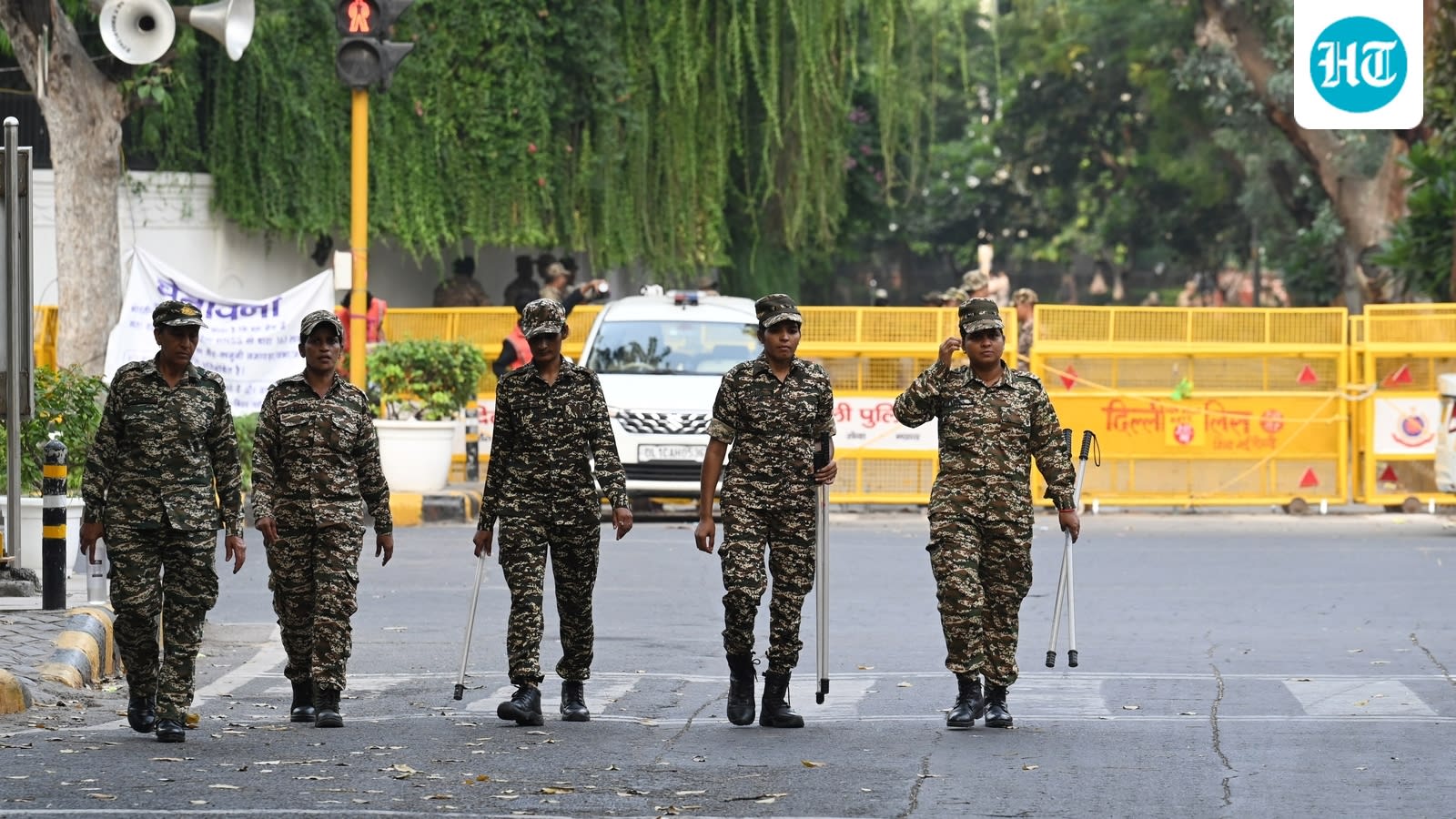
The Delhi High Court is set to hear petitions challenging the de-notification of Jantar Mantar as a protest site. The court will also investigate allegations of violence during recent protests demanding the resignation of Chief Election Commissioner Gyanesh Kumar.
Legal Challenges Emerge Over Jantar Mantar Protest Ban
The Delhi High Court has scheduled a critical hearing for October 13, 2026, to address two pressing petitions regarding the right to protest in the national capital. The court’s intervention follows a directive from the Ministry of Home Affairs (MHA) that officially de-notified Jantar Mantar—a site historically synonymous with democratic dissent—as an authorized venue for demonstrations. In its place, the authorities have designated Ramlila Ground, Burari Ground, and CBD Ground as the new, sanctioned locations for public assembly.
The Constitutional Tension: Access vs. Regulation
At the heart of the legal challenge is the fundamental right to peaceful assembly. Petitioners argue that the government has failed to provide accessible, central alternatives that match the historical and symbolic significance of Jantar Mantar. By restricting protests to peripheral areas, critics contend that the state is effectively stifling the visibility and impact of public grievances. The High Court, led by Acting Chief Justice Nitin Wasudeo Sambre and Justice Sanjay Sharma, is now tasked with balancing the state’s mandate to maintain public order with the constitutional necessity of providing a viable platform for citizens to express dissent.
Escalating Tensions and Allegations of Violence
Parallel to the dispute over protest sites is a growing concern regarding the safety of demonstrators. The court has also agreed to hear a petition filed by the National Students’ Union of India (NSUI) concerning the events of October 10. During a protest demanding the resignation of Chief Election Commissioner Gyanesh Kumar, reports surfaced that “outsiders” or anti-social elements infiltrated the gathering, harassing participants and inciting violence. The NSUI’s plea seeks a judicial probe into these security lapses, raising questions about the state's role in protecting peaceful protesters from external agitation.
Judicial Oversight and Supreme Court Involvement
During the initial mention of the case, the Delhi High Court declined an urgent same-day hearing on October 12, citing that the Supreme Court is already seized of the broader matter regarding protest venues. This indicates that the legal battle is part of a larger, ongoing national discourse on the regulation of public spaces. The court’s decision to list the matter for the following day suggests a judicial recognition of the urgency surrounding the restriction of civil liberties, even while deferring to the hierarchy of the apex court.
Broader Implications for Democratic Dissent
The de-notification of Jantar Mantar marks a significant shift in how Delhi manages civil unrest. By moving protests to designated grounds like Burari or CBD, the government is distancing political activity from the corridors of power. This policy shift is likely to face prolonged legal scrutiny, as civil society groups argue that the decentralization of protest venues diminishes the efficacy of public advocacy. As the High Court proceedings unfold, the outcome will likely set a precedent for how the state justifies the restriction of traditional protest sites in the future.
Multiple Citing Sources
Verification Required?