‘Modi ji, 200 officers in your government are in touch with us’: Rahul Gandhi
Source Entity
The Indian Express
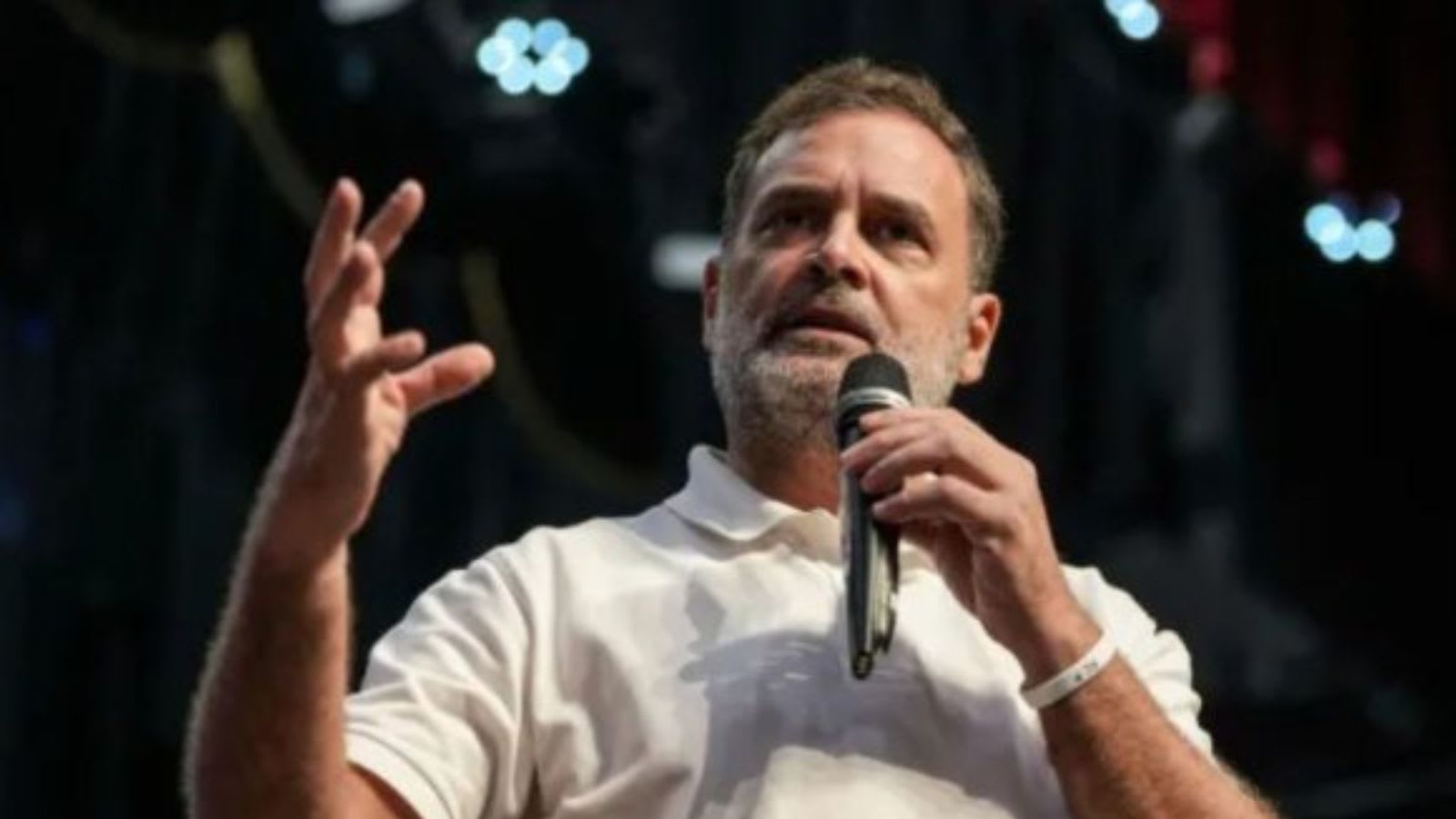
Rahul Gandhi has alleged that 200 government officials are leaking information to the Opposition, characterizing their ongoing protests against alleged electoral malpractice as a spontaneous 'tandav.' The remarks come as the INDIA alliance prepares for a march to the Supreme Court to demand electoral reforms.
The Opposition's Escalating Stance Against the Government
Congress leader and Leader of the Opposition in the Lok Sabha, Rahul Gandhi, has escalated his confrontation with the Narendra Modi-led government, making the explosive claim that approximately 200 government officials are in direct contact with the Opposition. During a press briefing at the party's Indira Bhavan headquarters, Gandhi asserted that these whistleblowers, embedded within sensitive institutions such as the Enforcement Directorate (ED), the Central Bureau of Investigation (CBI), and the Ministry of External Affairs, are actively providing intelligence to the Opposition. This claim serves to intensify the narrative that the current administration is vulnerable from within, suggesting a fractured bureaucracy disillusioned with the status quo.
The Allegation of Institutional Leaks
By explicitly naming the ED and the CBI, Gandhi is targeting the very agencies that have historically been at the center of political controversy regarding their autonomy and alleged partisan usage. By suggesting that high-ranking officials are leaking information, the Congress leader is attempting to undermine the credibility of these investigative bodies while simultaneously bolstering the morale of his own cadre. This strategy seeks to portray the Opposition not as a disorganized group, but as a movement supported by the very machinery of the state that the government relies upon for governance.
The Alleged Communication with the CEC
Beyond the claim of 200 informants, Gandhi has leveled a more specific accusation against the Chief Election Commissioner (CEC), Gyanesh Kumar. By claiming that the CEC has sent him personal messages, Gandhi is directly challenging the neutrality of the Election Commission of India. This move is designed to cast doubt on the integrity of the electoral process ahead of future contests. By framing these interactions as part of a larger, systemic crisis, the Opposition is positioning itself as the primary defender of democratic institutions against perceived institutional capture.
'Shivji ki Baraat': A Symbolic Protest
In a departure from traditional political discourse, Gandhi described the ongoing protests against alleged "vote chori" (theft) as a "tandav"—the cosmic dance of Lord Shiva. Referring to the movement as "Shivji ki baraat" (the wedding procession of Lord Shiva), where "everyone is welcome," Gandhi is attempting to rebrand the Opposition’s protests as a spontaneous, inclusive, and unstoppable force of nature. This rhetorical shift suggests that the Opposition is moving away from rigid planning toward a more fluid, organic form of resistance that is harder for the government to predict or suppress.
Broader Implications and Future Trends
The Opposition’s planned march to the Supreme Court represents a strategic pivot to the judiciary, indicating that they view the legal system as the final arbiter for their grievances regarding the election system. As the Congress and the broader INDIA alliance continue to push for electoral reforms, the focus will likely remain on the perceived erosion of constitutional norms. If these allegations of internal dissent within the bureaucracy gain traction, it could lead to increased government scrutiny of its own staff, potentially creating a climate of suspicion that may hinder administrative functionality in the coming months.