Democratic and political protests must take place, but SC must not be dragged into it: CJI
Source Entity
India Latest News: Top National Headlines Today & Breaking News | The Hindu
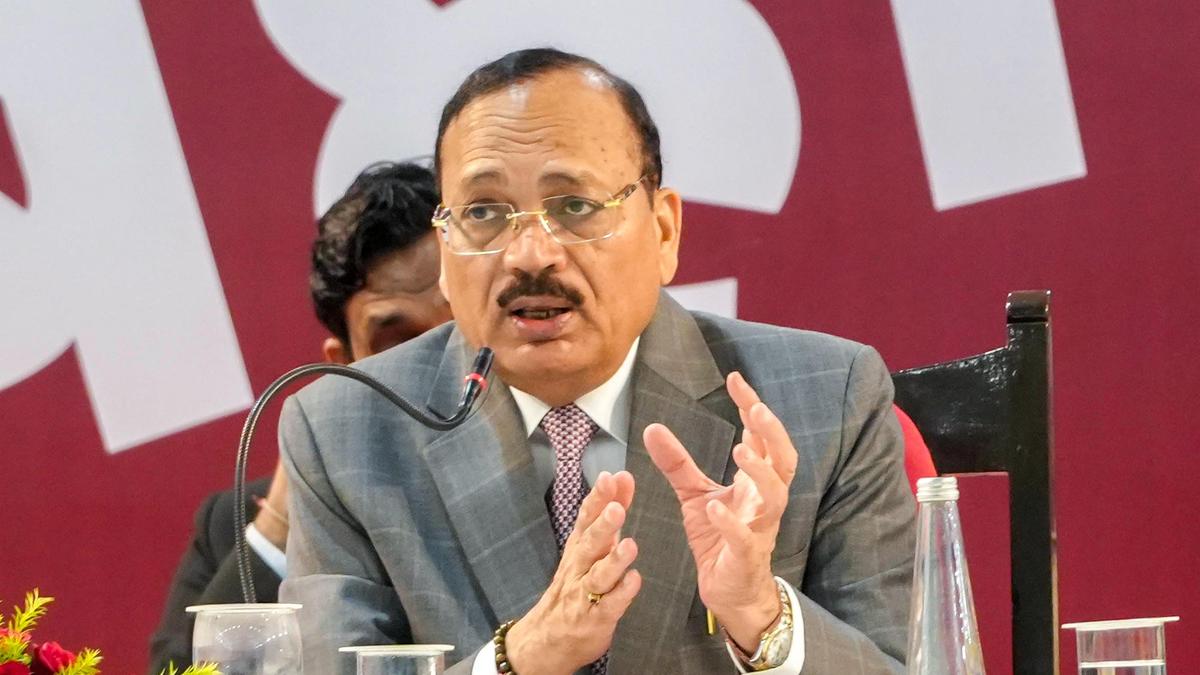
Congress leaders Mallikarjun Kharge and Rahul Gandhi's attempt to meet the Chief Justice of India regarding electoral integrity allegations was officially declined. The CJI cited the separation of powers and the sub judice nature of the issues as primary reasons for the refusal.
The Constitutional Standoff: Congress-CJI Interaction
The recent announcement by Congress President Mallikarjun Kharge regarding a planned meeting with the Chief Justice of India (CJI) Surya Kant represents a significant, albeit unsuccessful, attempt to engage the judiciary on concerns regarding the electoral process. By framing the current political environment as an "undeclared Emergency," the Congress leadership aimed to bring allegations of "vote chori" (theft of votes) and the perceived erosion of constitutional institutions directly to the highest judicial authority in the country.
The Opposition's Grievances
At the heart of the Congress party's request was a desire to challenge the current functioning of the Election Commission and specific legislative changes they argue facilitate electoral malpractice. By involving senior leader Rahul Gandhi in the correspondence, the INDIA bloc sought to elevate these concerns from political rhetoric to a formal constitutional inquiry. This strategy highlights the Opposition's reliance on judicial intervention to address grievances that they feel are not being adequately addressed through traditional legislative or administrative channels.
The Judiciary's Stance: Maintaining Boundaries
CJI Surya Kant’s decision to decline the meeting, communicated via an official email, serves as a reaffirmation of the judiciary's commitment to the doctrine of separation of powers. By citing that the issues raised were already sub judice—meaning they are currently under active consideration in the Supreme Court—the CJI underscored the necessity for judicial impartiality. The office of the CJI maintained that the court cannot intervene in the governance and administrative functions of the state through informal political meetings.
Historical and Institutional Context
Historically, the intersection of political activism and the judiciary is fraught with complexity. When political parties approach the CJI, they risk blurring the lines between the executive and judicial branches. The CJI’s refusal reflects a long-standing institutional precedent: the Supreme Court must remain an arbiter of law rather than a participant in political discourse. Accepting such a meeting could have been interpreted as an endorsement of the Opposition's narrative, potentially compromising the perceived neutrality of the bench.
Future Implications and Political Trends
This incident signals a widening gap between the INDIA bloc and the current administration, with the judiciary caught in the middle of these mounting tensions. As the Opposition continues to voice concerns over electoral integrity, they are likely to seek further avenues for public and legal pressure. However, the CJI's firm rejection suggests that the judiciary will remain cautious about becoming a platform for political grievances, favoring instead the formal, procedural resolution of disputes within the courtrooms.
Conclusion
The rejection of the meeting request marks a cooling point in what was a high-stakes attempt by the Opposition to leverage judicial authority. While the Congress party continues to categorize the current political landscape as a threat to democratic norms, the judiciary’s refusal highlights the rigid procedural boundaries that govern the Indian constitutional framework. Moving forward, the focus will likely shift back to how these matters are litigated through the formal court process rather than through high-level political consultation.
Multiple Citing Sources
Verification Required?