'Don't drag Supreme Court into politics': CJI Surya Kant amid Delhi protests row
Source Entity
Latest News: Todays Latest News Headlines from India & World | Hindustan Times | Hindustan Times
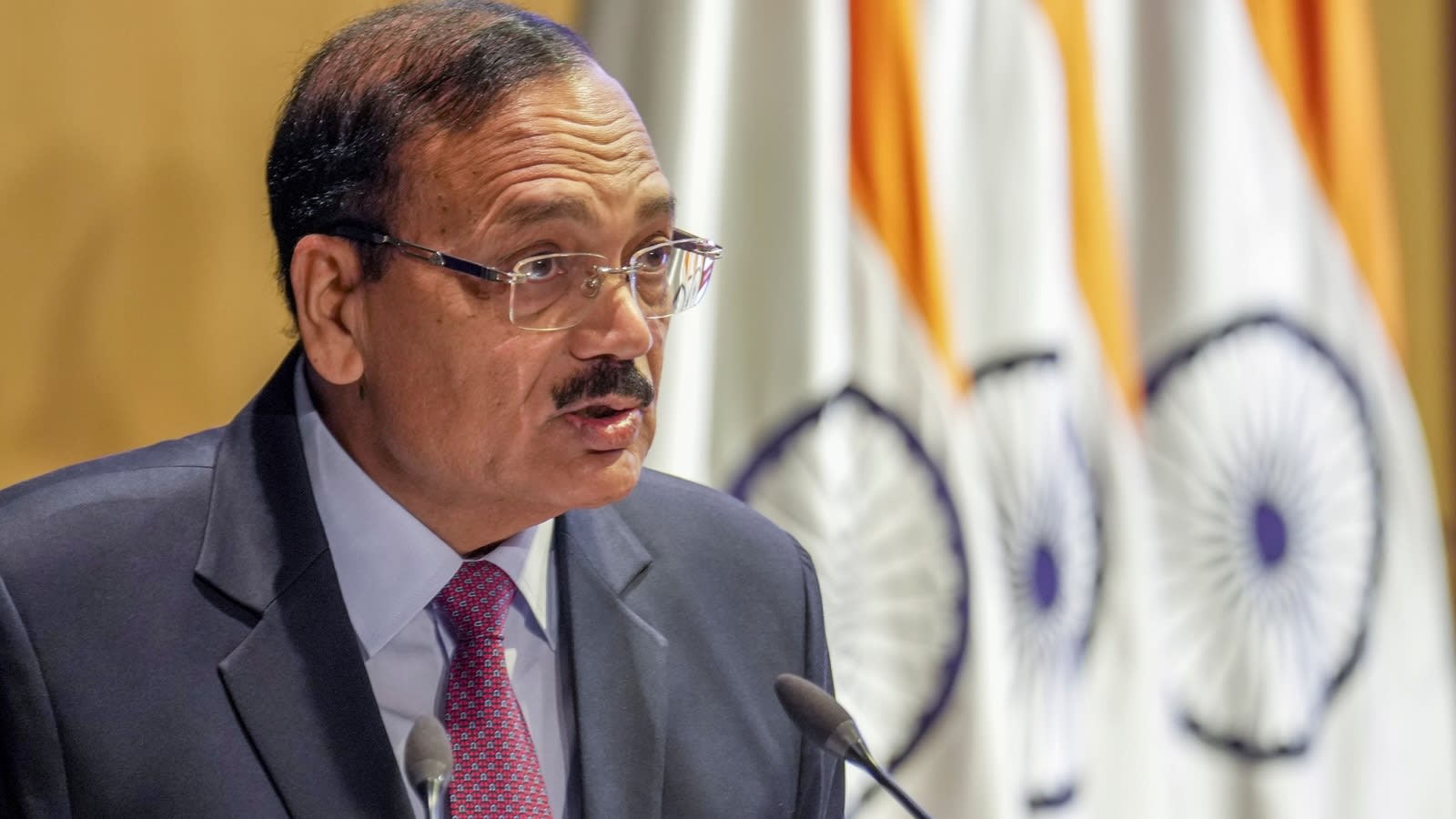
Congress leaders Mallikarjun Kharge and Rahul Gandhi's request for a meeting with CJI Surya Kant regarding electoral concerns was declined. The CJI cited the sub judice nature of the issues and the necessity of maintaining the separation of powers.
The Confrontation Over Constitutional Integrity
In a move that highlights the escalating tensions between the Indian National Congress and the current administration, Congress President Mallikarjun Kharge and Leader of the Opposition Rahul Gandhi sought a formal audience with the Chief Justice of India (CJI), Surya Kant. The core of their grievance centered on what Kharge termed as ‘vote chori’ (theft of votes) and broader concerns regarding the independence of constitutional institutions, specifically the Election Commission of India. By labeling the current political environment an ‘undeclared Emergency,’ the Congress leadership signaled a deepening rift over the perceived erosion of democratic checks and balances.
The Legal and Administrative Stance
Following the request for a meeting, which was initially scheduled for October 12, 2026, the office of the Chief Justice of India formally declined the invitation. In a measured response sent via email, the CJI’s office clarified that the decision was made ‘with reasons.’ This refusal underscores the judiciary's commitment to maintaining its distance from active political discourse, ensuring that the institution remains an arbiter rather than a participant in partisan conflicts.
Separation of Powers and Sub Judice Matters
Sources close to the Supreme Court indicated that the primary reason for the rejection was the principle of separation of powers. The judiciary is constitutionally constrained from intervening in the administrative functions of the state or engaging in direct political consultations that could compromise its neutrality. Furthermore, the court noted that many of the concerns raised by the INDIA bloc were already ‘sub judice,’ meaning they are currently being adjudicated through formal legal channels. Engaging in a private meeting to discuss these matters would have been procedurally improper and potentially prejudicial to ongoing litigation.
Historical Precedents and Democratic Tension
This incident mirrors historical instances where political parties have sought to leverage the judiciary to address grievances against the executive branch. Throughout India's post-independence history, the relationship between the three pillars of democracy—the legislature, the executive, and the judiciary—has often been tested. The current impasse reflects a modern iteration of this struggle, where the opposition feels marginalized by legislative changes they argue facilitate electoral malpractice, while the judiciary maintains a strict adherence to its jurisdictional boundaries.
Broader Implications for Future Governance
Looking ahead, the refusal to meet sets a firm precedent regarding the limits of political lobbying with the judiciary. By rejecting the meeting, the CJI has reinforced that the Supreme Court is not a venue for political negotiation, but rather a court of law meant to resolve disputes through established protocols. This development is likely to force the opposition to rely more heavily on formal judicial petitions and public mobilization rather than direct institutional intervention.
Conclusion
The attempt by the INDIA bloc to engage the highest level of the judiciary reflects the intensity of the current political climate in India. While the request was denied, the event serves as a significant marker of the ongoing debate regarding the autonomy of India’s constitutional bodies. As the nation moves forward, the reliance on the judiciary to mediate political conflict will continue to be a defining feature of the Indian democratic process, requiring a delicate balance between oversight and the preservation of institutional independence.
Multiple Citing Sources
Verification Required?