#tacit knowledge
Discover 14 curated intelligence briefings related to this specific topic.

The Low-Context Blueprint: How to Eliminate 'Quick Syncs' and Run a High-Output Asynchronous Team
Move beyond the inefficiency of synchronous 'quick syncs' by implementing a low-context communication framework. Learn how to leverage asynchronous workflow architecture, explicit documentation, and cultural calibration to drive deep work and global scalability.

The Tacit Edge: Why the Polanyi Paradox Is the Final Frontier of Human Value
Explore the systemic tension between explicit codification and tacit intuition. As AI attempts to map every human skill, the Polanyi Paradox reveals why the most valuable expertise remains stubbornly unexplainable.

The Osmosis Gap: Why Remote Work is Killing the Unwritten Rules of Expertise
The world's shift to remote work has solved the problem of where we work, but it created a systemic leak in how we learn. By prioritizing explicit documentation over tacit osmosis, organizations are quietly erasing the nuanced expertise that cannot be written in a Jira ticket.
The Ghost in the Machine: Recovering the Art of Tacit Mastery
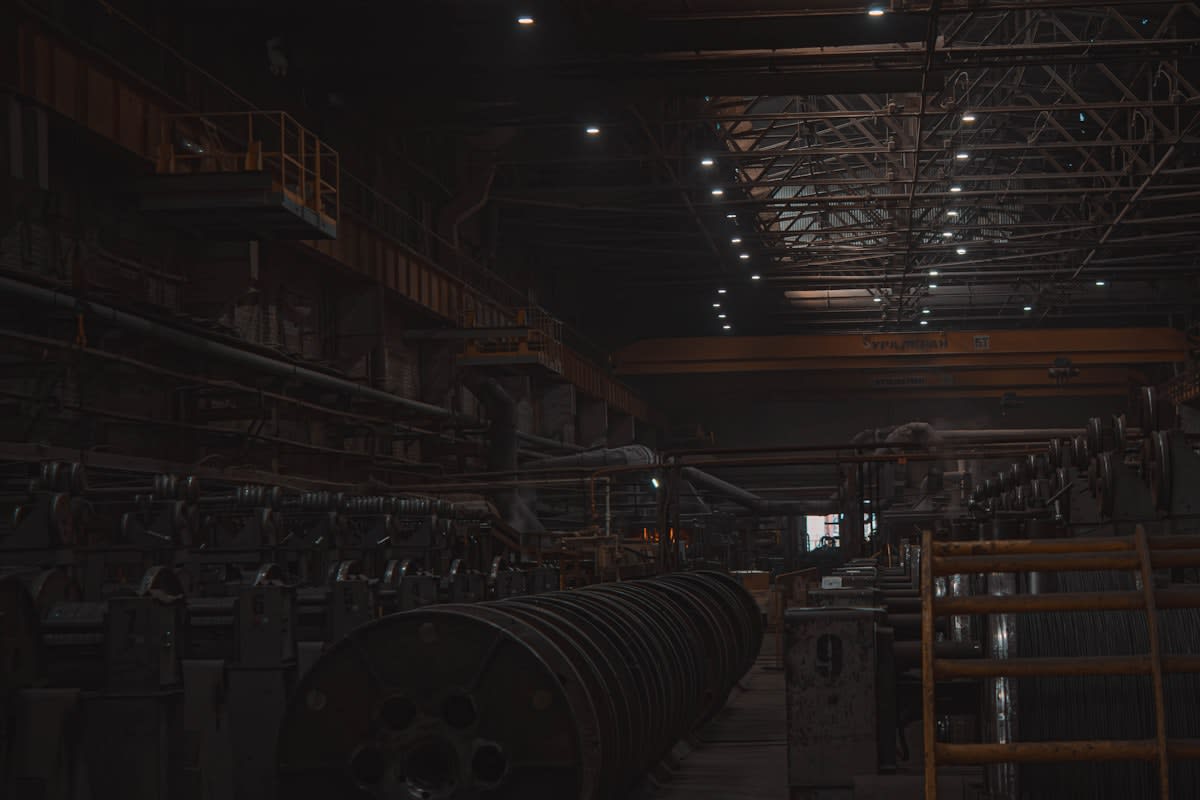
We have confused information with expertise. As the world's master practitioners retire, we are discovering that the most critical industrial skills cannot be uploaded to a cloud or captured in a PDF.

The Clarity Code: A Practical Guide to Using High-Contrast Design for Cognitive Accessibility
A master practitioner's blueprint for implementing high-contrast design that balances strict accessibility standards with cognitive load management to support neurodivergent users and those with visual impairments.

The Tacit Knowledge Gap: Why the World's Most Successful Companies are Losing Their Secret Sauce to Digital Documentation
As global enterprises race to digitize every process, they are accidentally deleting the human intuition and experiential wisdom—tacit knowledge—that actually drives competitive advantage.

The End of the Eternal CEO: Why the World’s Smartest Companies are Renting Their Brains
The traditional C-suite is fracturing. As volatility becomes the only constant, companies are abandoning the search for the 'perfect' full-time hire in favor of 'Expert Sprints'—high-impact, fractional executives who solve specific systemic problems and then vanish.

The Ghost in the Code: Why Polanyi’s Paradox is the Final Boss of Artificial Intelligence
While the world marvels at the fluency of Large Language Models, a fundamental philosophical wall remains: Polanyi's Paradox. We are discovering that the bridge between processing information and possessing true expertise is built from knowledge that cannot be written down, let alone tokenized.

The Seed Vault Protocol: A Master Practitioner's Guide to Backyard Genetic Preservation
Stop relying on commercial seed catalogs. Learn the rigorous, professional-grade protocol for harvesting, curing, and storing heirloom genetics to ensure food sovereignty in your own backyard.

The Death of the Dashboard: The Rise of the Invisible Interface
The era of clicking buttons and typing prompts is ending. A new paradigm of embedded AI agents is quietly dismantling the modern software interface, shifting the user experience from manual navigation to goal-oriented orchestration.

The Asynchronous Edge: A Blueprint for High-Output Teams That Never Meet in Real Time
Stop trading your most valuable asset—time—for low-value synchronization. This master practitioner's guide provides a rigorous framework for transitioning your team to a fully asynchronous operating model, maximizing deep work and global scalability.

The Institutional Amnesia: Why Your Balance Sheet is Lying About Your Most Valuable Asset
Most companies mistake data for knowledge. While they build exhaustive digital archives, the actual 'how-to'—the tacit intuition that drives competitive advantage—is walking out the door every Friday. Here is why the systemic leak exists and how to plug it.

The Void as a Tool: How the Enlightenment Engineered Strategic Boredom
While the modern world treats boredom as a defect, the architects of the Enlightenment viewed it as a prerequisite for genius. This is a systemic analysis of the Architecture of Stillness and its role in human cognitive evolution.

The Ghost in the Machine is a Mirror: Why AI Can’t Invent the Next Great Genre
Generative AI excels at interpolation, but the birth of a new artistic genre requires extrapolation fueled by lived experience and cultural friction—elements entirely absent from a dataset.