The Philosophy of Genetic Sovereignty
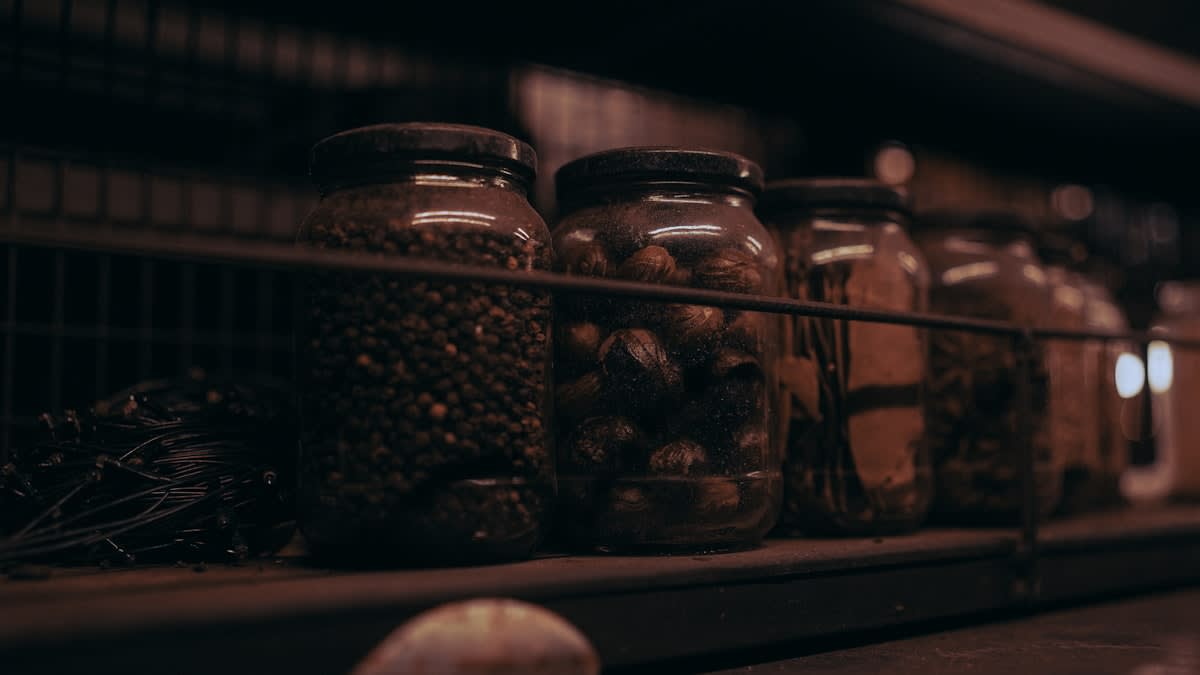
Most gardeners treat seeds as a seasonal purchase, a transaction handled by a corporate catalog. That is a precarious way to live. When you rely on a third party for your genetics, you are renting your food supply, not owning it. True resilience starts with the seed. Heirloom varieties are not just nostalgia; they are biological archives of adaptation, containing the genetic memory of how a plant survives a specific drought in the Sahel or a sudden frost in the Andes. By establishing a home vault, you stop being a consumer and become a steward of biodiversity.
Why does this matter now? The erosion of crop diversity is a silent crisis. According to the Food and Agriculture Organization of the United Nations, the world has lost roughly 75% of plant genetic diversity for crops since 1900 (Source: FAO, 2019). We have traded resilience for uniformity. A seed vault in your backyard is a decentralized hedge against this systemic fragility. It ensures that the specific traits—flavor, nutrient density, and pest resistance—that you value don't vanish because they aren't profitable for a global seed conglomerate.
Prerequisites: The Vault Toolkit
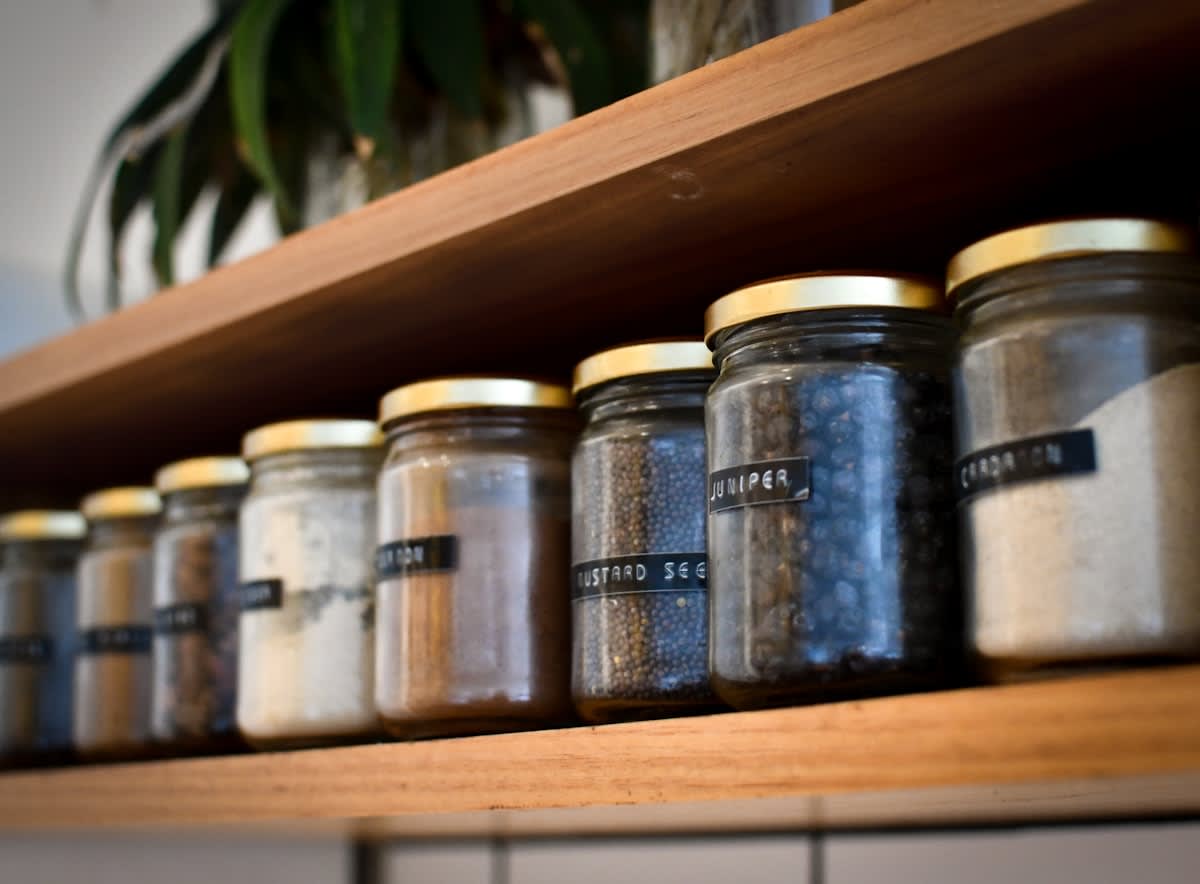
Before you harvest a single pod, you need the right infrastructure. Professional seed saving is a game of moisture management. If your seeds are too damp, they rot; if they are too dry too quickly, the embryo dies. You aren't just storing seeds; you are managing a biological state of suspended animation. You don't need a million-dollar facility like Svalbard, but you do need precision.
- Airtight glass containers (Mason jars with rubber seals are the gold standard).
- Food-grade silica gel packets or desiccants to strip residual moisture.
- A digital hygrometer to monitor ambient humidity levels.
- High-quality seed envelopes (breathable paper for short-term, foil for long-term).
- A dedicated freezer or a cool, dark cellar with stable temperatures.
- Fine-mesh screens for winnowing chaff from grain seeds.
I have seen too many beginners use plastic bags. Plastic traps moisture. In a humid environment, a plastic bag is essentially a greenhouse for mold, which will annihilate your entire genetic stock in a matter of weeks. Stick to glass or vacuum-sealed Mylar. This is where the discipline of the practitioner separates the hobbyist from the conservator.
The Step-by-Step Preservation Protocol
- Selection: Identify the 'Elite' plants. Do not save seeds from the biggest fruit, but from the plant that survived the most stress. Look for the individual that resisted the blight or thrived during the heatwave. This is how you evolve your genetics to your specific microclimate.
- Isolation: Prevent cross-pollination. If you are growing two varieties of squash, you must physically isolate them using mesh bags or space them hundreds of feet apart. Failure here results in 'genetic drift,' where your pure heirloom becomes a random hybrid.
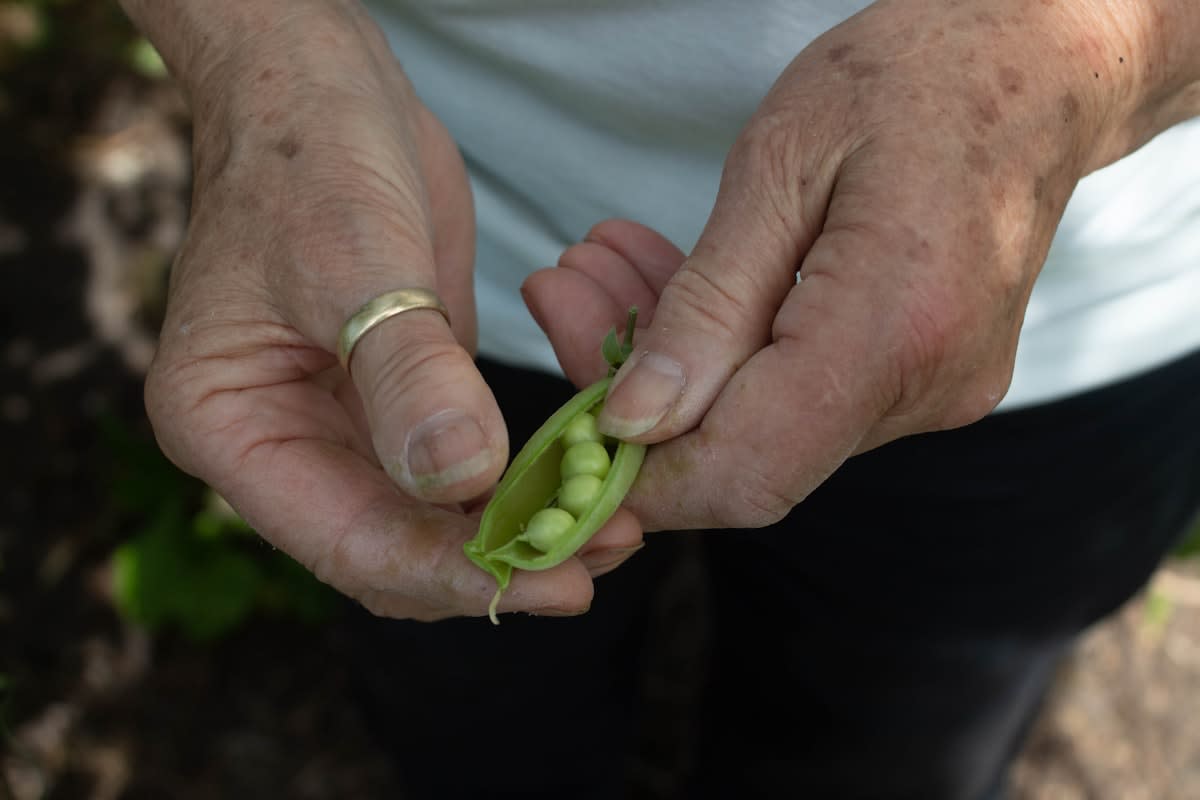
- Harvesting: Timing is critical. Harvest seeds when the fruit is fully ripe or the pod has turned brown and brittle on the vine. For 'wet' seeds like tomatoes, extract the pulp and ferment it for 2-3 days to remove the germination-inhibiting gel.
- Curing and Drying: Spread seeds in a single layer on a screen. Avoid direct sunlight, which can cook the embryo. Air-dry until the seed is 'snap-dry'—meaning it breaks cleanly rather than bending.
- Testing: Conduct a germination test. Place 10 seeds in a damp paper towel, fold it, and put it in a plastic bag for a week. If only 5 sprout, your viability is 50%. You know exactly how much to over-plant next season.
- Storage: Place seeds in glass jars with a desiccant packet. Seal tightly. Store in a dark place. For long-term preservation, the 'Rule of 100' applies: the sum of the temperature (Fahrenheit) and relative humidity (%) should be 100 or less.
The transition from the garden to the jar is the most dangerous phase. I remember a season in the Mediterranean where I rushed the drying process of some rare chickpeas during a humidity spike. I thought they were dry, sealed them in jars, and found a fuzzy grey carpet of mold three months later. The lesson? When in doubt, dry them longer. A seed that is slightly too dry will still grow; a seed that is too wet is dead.
"The preservation of agricultural biodiversity is not merely a technical challenge but a social imperative. The loss of traditional seed varieties is an irreversible loss of human knowledge and ecological adaptation."— FAO Report on Genetic Resources for Food and Agriculture
The Practitioner's Friction: The Great Pollination Debate
In the community of serious seed savers, the biggest debates aren't about storage—they are about purity. There is a constant tension between 'purists,' who demand strict isolation and hand-pollination to maintain a variety's exact historical blueprint, and 'adaptationists.' The latter argue that allowing some cross-pollination is actually beneficial, as it allows the plant to adapt to the local pests and soil of the current decade. I lean toward the adaptationists. A seed that is a perfect replica of a 19th-century French tomato but cannot survive a 21st-century heatwave is a museum piece, not a food source.
This friction is most evident when dealing with 'promiscuous' plants like corn or squash. If your neighbor grows a different variety of corn, the wind will do the work for them, and your 'pure' heirloom is gone. This is why the most successful backyard vaults are often collaborative. When a neighborhood agrees to grow the same variety or coordinate their planting schedules, they create a collective genetic fortress.
Common Pitfalls to Avoid
The most common failure I see is the 'Mystery Jar.' A gardener saves seeds, puts them in a jar, and writes 'Tomato' on the label. Three years later, they have no idea if it was a Brandywine or a Cherokee Purple, or if it was a hybrid that will now produce sterile, tasteless fruit. Documentation is as important as the seed itself. Every entry in your vault should include the year of harvest, the parent plant's performance, and the specific date of the harvest.
Another critical error is the 'Freezer Shock.' While freezing is great for long-term storage, taking a jar from -18C to 25C in a humid room causes instant condensation inside the jar. This moisture settles on the seeds and triggers premature respiration or mold. Always let your jars come to room temperature slowly, or keep them inside a secondary sealed container during the thaw.
Fact-Check & Accuracy Note
The claims regarding the loss of 75% of crop diversity are sourced from the Food and Agriculture Organization of the United Nations (FAO, 2019). The 'Rule of 100' for seed storage is a widely accepted industry standard among seed bank practitioners to ensure maximum longevity. Ongoing debates remain regarding the trade-off between genetic purity and local adaptation (landraces).