US offers $20 million reward for information on Iran's nuclear programme
Source Entity
YASHASVI VASISTHA
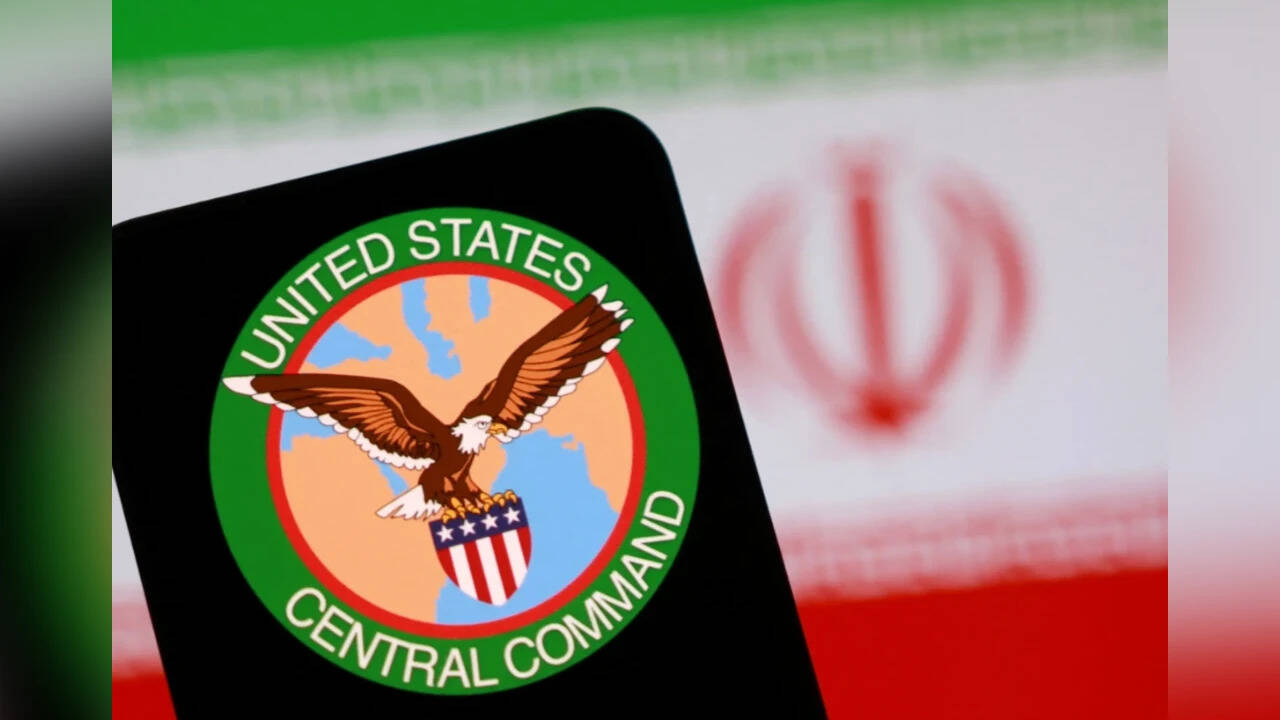
The U.S. State Department has announced a $20 million reward for intelligence regarding Iran's nuclear program. Concurrently, the U.S. Treasury has sanctioned eight Canadian money-exchange firms for facilitating illicit financial transactions for sanctioned Iranian entities and the IRGC.
Strategic Escalation in U.S.-Iran Relations
The United States has significantly intensified its pressure campaign against Iran through a dual-pronged approach involving both intelligence gathering and financial containment. By offering a reward of up to $20 million for information regarding Iran’s nuclear program—including its facilities, equipment, and key personnel—the State Department is signaling a shift toward more aggressive human intelligence acquisition. This move, which includes the offer of potential relocation for informants, reflects the high priority the U.S. places on gaining granular, real-time insight into the operational status and technological advancements of Iran’s nuclear ambitions.
Targeting Financial Lifelines
Parallel to the intelligence bounty, the U.S. Treasury has taken direct action against eight Canadian money-service companies. These firms are accused of facilitating currency exchanges for sanctioned Iranian entities, effectively acting as a conduit for international transactions that bypass traditional banking oversight. The Treasury’s move to isolate these companies from the dollar-based financial system is a calculated effort to degrade the infrastructure that supports Iran’s sanctioned economic activities, particularly those involving digital assets.
The Role of Digital Assets and the IRGC
A critical component of the recent sanctions involves the use of digital assets. The U.S. Treasury has explicitly linked these Canadian firms to transactions involving digital asset exchanges and addresses associated with Iran’s Islamic Revolutionary Guard Corps (IRGC). This highlights a growing trend where sanctioned regimes leverage decentralized finance and cryptocurrency to obfuscate the movement of capital. By targeting these specific nodes, the U.S. is attempting to close loopholes that have historically allowed the IRGC to circumvent international financial monitoring.
Diplomatic Hurdles and Regional Stability
While the U.S. pursues these aggressive measures, the broader diplomatic landscape remains fragile. Iran has expressed a conditional willingness to negotiate, yet the gap between the two nations remains wide. The U.S. emphasis on intelligence gathering and sanctions suggests that Washington is prioritizing containment and pressure over immediate diplomatic breakthroughs. The ongoing tension is exacerbated by the fact that both parties have established strict prerequisites for returning to the negotiating table, creating a stalemate that leaves little room for de-escalation.
Future Trends and Global Implications
Looking ahead, the use of financial sanctions against international intermediaries is likely to continue as a primary tool for U.S. foreign policy. As Iran continues to seek alternative ways to fund its nuclear and military programs, the U.S. will likely expand its scrutiny of third-country entities that provide financial cover. The success of these measures will depend on the cooperation of international partners, such as Canada, in enforcing these sanctions and preventing their jurisdictions from becoming safe havens for entities that aid sanctioned regimes. The intersection of nuclear non-proliferation and digital financial security will remain a defining feature of this geopolitical standoff.