Egypt train collision: President Sisi orders probe after 4 killed, 88 injured
Source Entity
The Indian Express
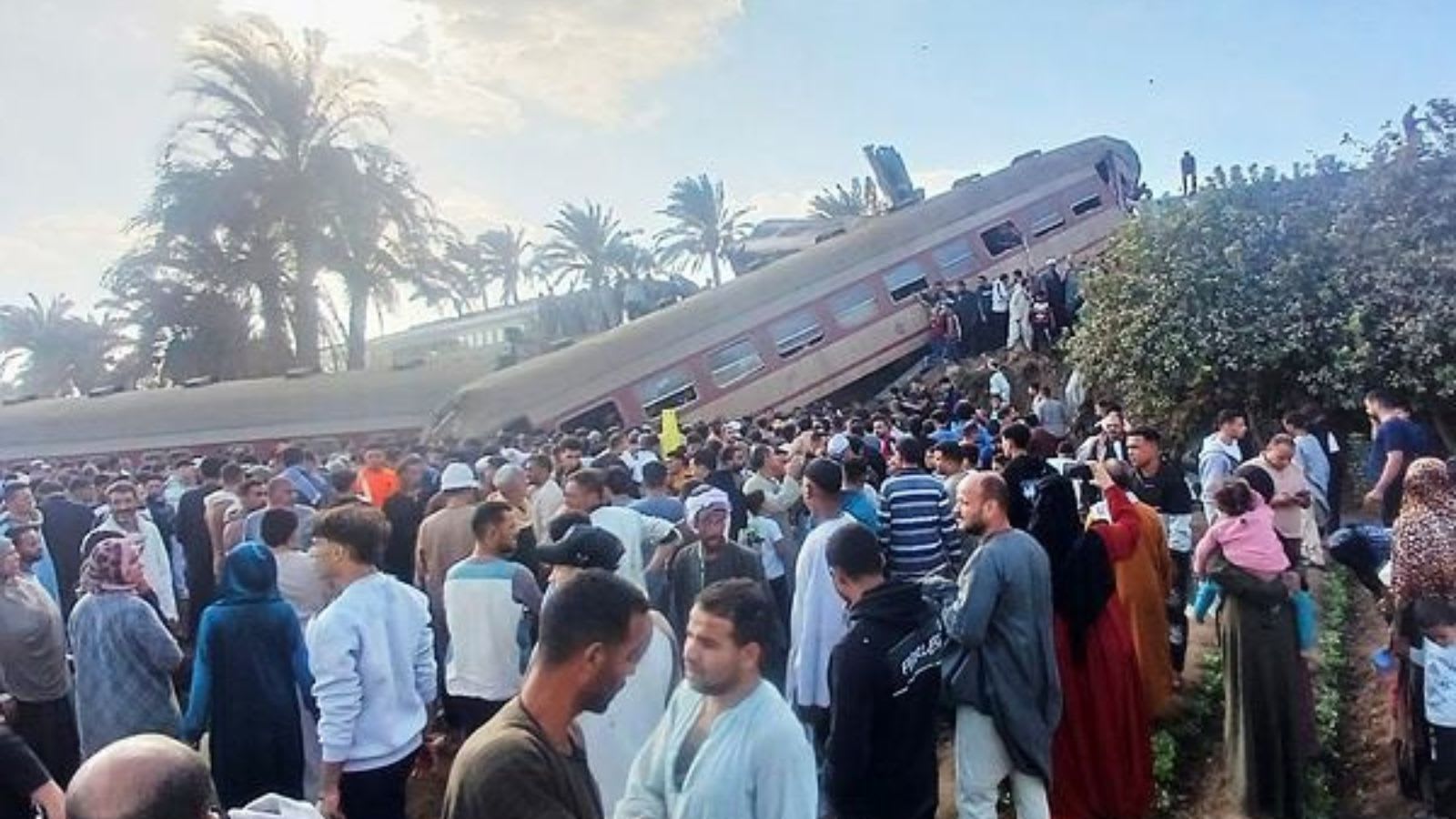
A tragic train collision in Egypt's Giza province resulted in multiple fatalities and over 100 injuries. Authorities are treating the wounded in nearby hospitals as investigations into the crash continue.
Tragedy in Giza: Analyzing the Fatal Egyptian Train Collision
On a Sunday in the Al-Ayyat district of Giza, Egypt, a devastating rail accident occurred when a train traveling from Giza to Fayoum collided with the rear of a service heading south from Cairo to Aswan. The impact caused several carriages to derail, leading to a significant loss of life and a large number of injuries. While early reports fluctuated regarding the exact casualty count, the Ministry of Health has confirmed at least seven deaths and over 100 injuries, highlighting the severity of the incident.
Medical Response and Patient Care
The immediate aftermath of the derailment triggered a massive emergency response, with the injured being transported to various hospitals in the Giza area. The Ministry of Health reported a wide spectrum of injuries, ranging from relatively minor bruises and abrasions to more critical trauma, including fractures of the pelvis and vertebrae, as well as head, facial, and chest injuries. As of the latest updates, dozens of patients have been discharged after receiving necessary care, though the medical system continues to monitor those with more severe complications.
The Mechanics of the Collision
The collision occurred on a critical transit artery south of the capital, involving two passenger trains. The specific nature of the crash—a rear-end collision—suggests a failure in signaling or operational control that allowed one train to strike another on the same line. The derailment of several carriages significantly increased the physical trauma sustained by passengers, as the kinetic energy of the impact caused the rail cars to leave the tracks, leading to the high volume of casualties reported by local authorities.
Government and Institutional Oversight
President Abdel Fattah al-Sisi has formally stated that he is monitoring the situation with great concern, signaling the gravity with which the Egyptian state views this infrastructure failure. The railway authority is currently tasked with investigating the sequence of events that led to the Giza-Fayoum train striking the Cairo-Aswan service. Such investigations are vital to determining whether the cause was human error, mechanical failure, or a systemic breakdown in the railway's safety protocols.
Broader Implications for Egyptian Rail Safety
This incident brings renewed focus to the challenges facing Egypt's aging railway infrastructure. High-density transit routes connecting major hubs like Cairo, Giza, and Aswan are essential to the nation's economy, yet they remain vulnerable to accidents when maintenance and safety technologies do not keep pace with demand. The government's ability to modernize these systems and implement more rigorous automated safety measures will be the defining factor in preventing future tragedies of this nature.
Conclusion and Future Trends
The tragedy in Al-Ayyat is a stark reminder of the risks inherent in mass transit systems under pressure. Moving forward, the focus must remain on the recovery of the injured and a transparent investigation into the cause of the derailment. If the Egyptian authorities can leverage this event to accelerate safety upgrades and signaling modernization, it may serve as a turning point for rail safety in the region, ultimately aiming to restore public confidence in the nation's vital rail network.