Iran says blasts in southern region not US attacks as both sides report ships hit
Source Entity
Latest News: Todays Latest News Headlines from India & World | Hindustan Times
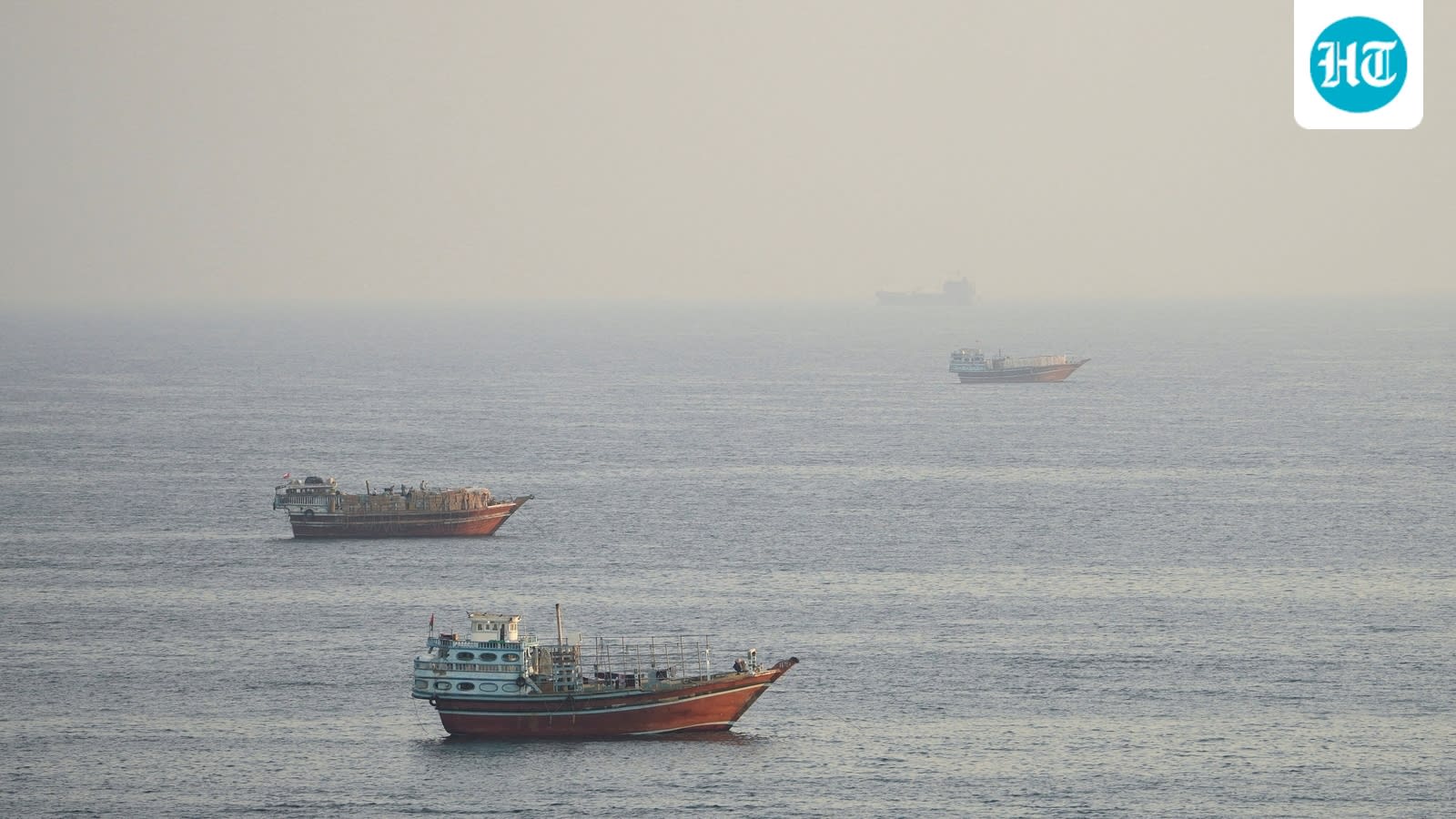
Explosions reported in southern Iran and near the Strait of Hormuz have been attributed by Iranian state media to domestic military activity rather than US strikes. Tensions remain elevated as both nations report ongoing incidents involving maritime vessels in the region.
Tensions Flare in the Strait of Hormuz
Recent reports of explosions across southern Iran, particularly near Qeshm Island, have sparked significant regional anxiety. While initial speculation pointed toward potential escalation from the United States, Iranian state media has firmly denied these claims, attributing the blasts to domestic military exercises rather than external missile strikes. This clarification serves as a critical attempt to manage the narrative and prevent an unintended descent into open conflict, reflecting the delicate security climate currently surrounding the Strait of Hormuz.
The Strategic Importance of the Strait
The Strait of Hormuz remains one of the world's most critical maritime chokepoints, through which a significant portion of the global oil supply transits. Any instability in this region, whether through military activity or direct strikes on vessels, has immediate and profound implications for global energy markets. The recent reports of hits on ships in or near the strait highlight the vulnerability of international shipping lanes to localized geopolitical friction, forcing global powers to monitor the situation with heightened vigilance.
Geopolitical Context and US-Iran Relations
The current atmosphere is heavily colored by the historical and political friction between Tehran and Washington. Following the US midterm elections, rhetoric regarding potential military action has intensified. While President Donald Trump had alluded to the possibility of renewed operations, the lack of evidence regarding a large-scale US engagement suggests a period of strategic posturing rather than an immediate shift toward total war. Iran’s explicit warning that any large-scale strike would be met with retaliation against US and Israeli interests remains a key deterrent preventing a wider conflict.
Analyzing the Military Narrative
By labeling the explosions as internal military activity, the Iranian government is likely attempting to project strength and readiness without triggering a kinetic response from the United States. This move is a classic example of 'gray-zone' signaling, where states engage in provocative maneuvers—such as military exercises near sensitive areas—to demonstrate capability while maintaining enough ambiguity to avoid direct confrontation. The timing of these events, coinciding with the reports of vessels being hit, suggests a coordinated effort to maintain a dominant posture in the Persian Gulf.
Future Trends and Regional Stability
Looking forward, the security situation in the Strait of Hormuz is unlikely to stabilize in the short term. As both sides continue to report incidents involving maritime vessels, the risk of miscalculation remains high. Future trends will likely involve continued asymmetric naval operations, increased surveillance, and a reliance on diplomatic backchannels to ensure that localized skirmishes do not escalate into a broader regional war. The international community will continue to view the region as a primary flashpoint for global security.
Conclusion
In summary, the recent reports confirm a high-tension environment where military activities and maritime incidents are becoming the new baseline for US-Iran relations. While the immediate threat of a major US-led military offensive appears to be contained, the ongoing volatility in the Strait of Hormuz underscores the fragility of regional peace. Maintaining open communication and avoiding further maritime escalation remains the most viable path toward preventing a full-scale regional crisis.
Verification Required?