‘Absence of direct evidence… cannot be decisive’: Rajasthan High Court upholds UAPA charges in Kanhaiya Lal murder case
Source Entity
Hamza Khan
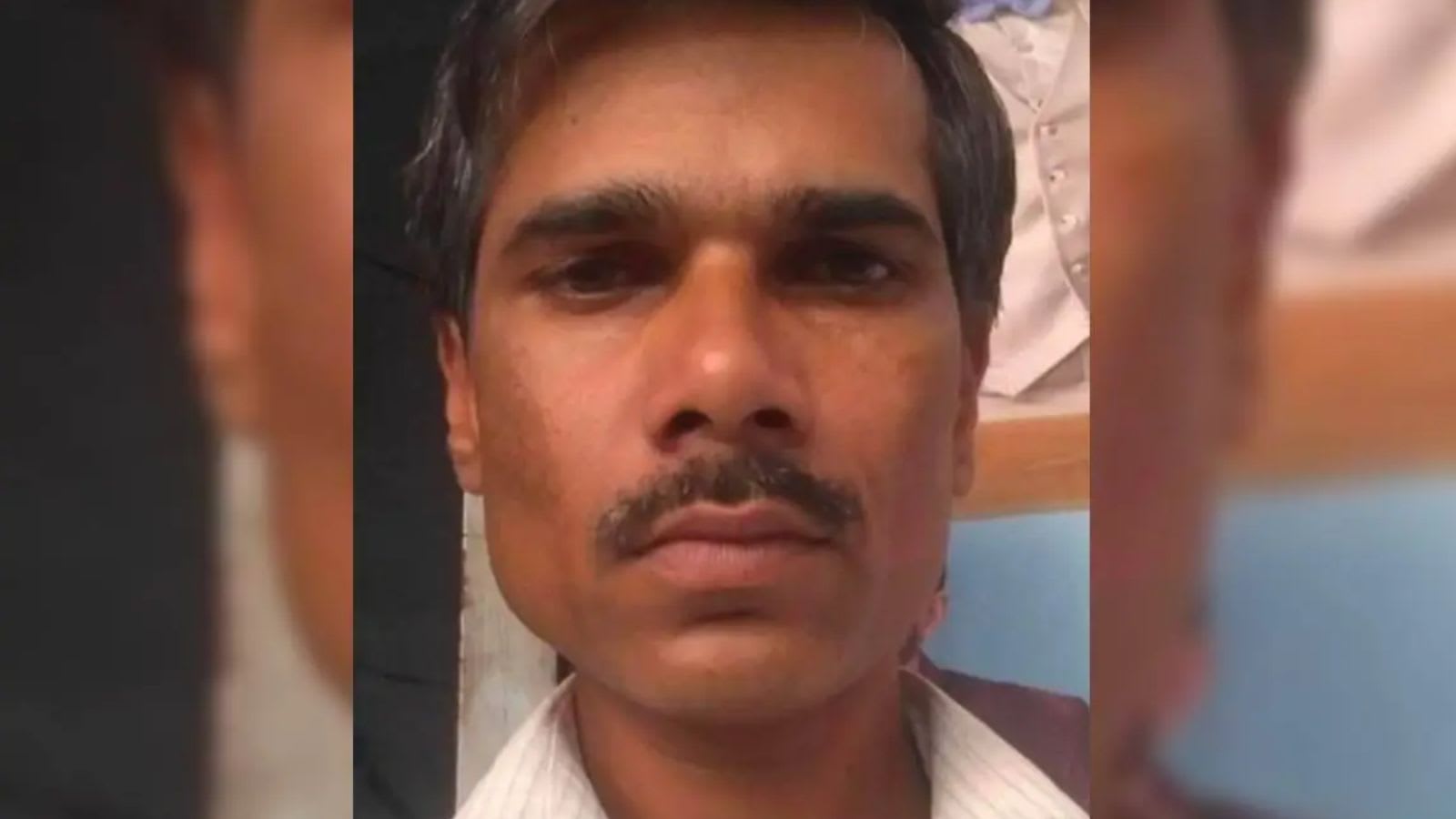
The Rajasthan High Court has upheld UAPA charges against eight individuals accused of the 2022 murder of Kanhaiya Lal in Udaipur. The court ruled that the absence of direct evidence at this stage does not warrant discharging the accused, emphasizing the need for a full trial.
Judicial Scrutiny of the Udaipur Murder Case
The Rajasthan High Court recently delivered a significant legal ruling, upholding the application of the Unlawful Activities Prevention Act (UAPA) against eight individuals accused in the brutal 2022 murder of Kanhaiya Lal, a tailor based in Udaipur. By dismissing the appeals filed by the accused, the Division Bench, led by Chief Justice Sanjay K Agrawal and Justice Sameer Jain, has affirmed that the trial court’s decision to frame charges under this stringent anti-terror legislation remains legally sound at this stage of the judicial process.
The Legal Standard for UAPA Charges
A pivotal element of the High Court’s judgment is the interpretation of what constitutes 'sufficient grounds' for discharging an accused before a full trial. The defense had argued that the absence of specific evidence—such as overt membership in an unlawful organization or the lack of explicit, inflammatory language—should exonerate them. However, the Court clarified that the 'absence of direct evidence' is not a decisive factor when the prosecution presents a broader narrative of conspiracy and intent that requires deeper evidentiary examination.
Analyzing the Conspiracy Framework
The court’s decision underscores the complexity of modern terrorism-related litigation. By focusing on the allegations of conspiracy, the judiciary is signaling that the UAPA is not merely reserved for individuals with formal memberships in proscribed groups, but also for those whose actions demonstrate a collective intent to incite fear or disturb public order. The Bench explicitly noted that the totality of the prosecution material must be weighed, rather than isolating individual pieces of evidence that might seem incomplete in a vacuum.
Impact on Public Tranquillity
The 2022 murder of Kanhaiya Lal was a watershed moment that sent shockwaves across India, highlighting the dangers of radicalization and the volatility of communal harmony. The High Court’s refusal to dismiss the charges reflects the judiciary's role in addressing crimes that are perceived as threats to the stability of the state. By maintaining the UAPA charges, the court ensures that the trial court can thoroughly investigate whether the accused's actions were intended to strike terror into the populace, a core pillar of the UAPA statute.
Broader Implications for Future Litigation
This ruling serves as a precedent for how appellate courts evaluate the framing of charges in sensitive, high-profile cases. It emphasizes that the 'prima facie' stage of a trial is not meant to be a mini-trial where the defense can dismantle the prosecution's case piece by piece. Instead, it serves as a threshold check to ensure there is enough substance to proceed to a full evidentiary trial. This approach balances the rights of the accused with the state’s obligation to prosecute acts that threaten national security.
Concluding Outlook
As the case moves forward, the focus will now shift entirely to the trial court proceedings. The Rajasthan High Court’s decision ensures that the legal process will continue to address the gravity of the allegations through the appropriate judicial channels. This outcome reinforces the necessity of the UAPA as a tool for the state in cases involving complex conspiracies, ultimately ensuring that the judicial system can investigate the full scope of the crime without premature interference.