US-China trade talks to continue as Washington presses Beijing to honour Busan deal
Source Entity
SHIVANGHI PAYAL
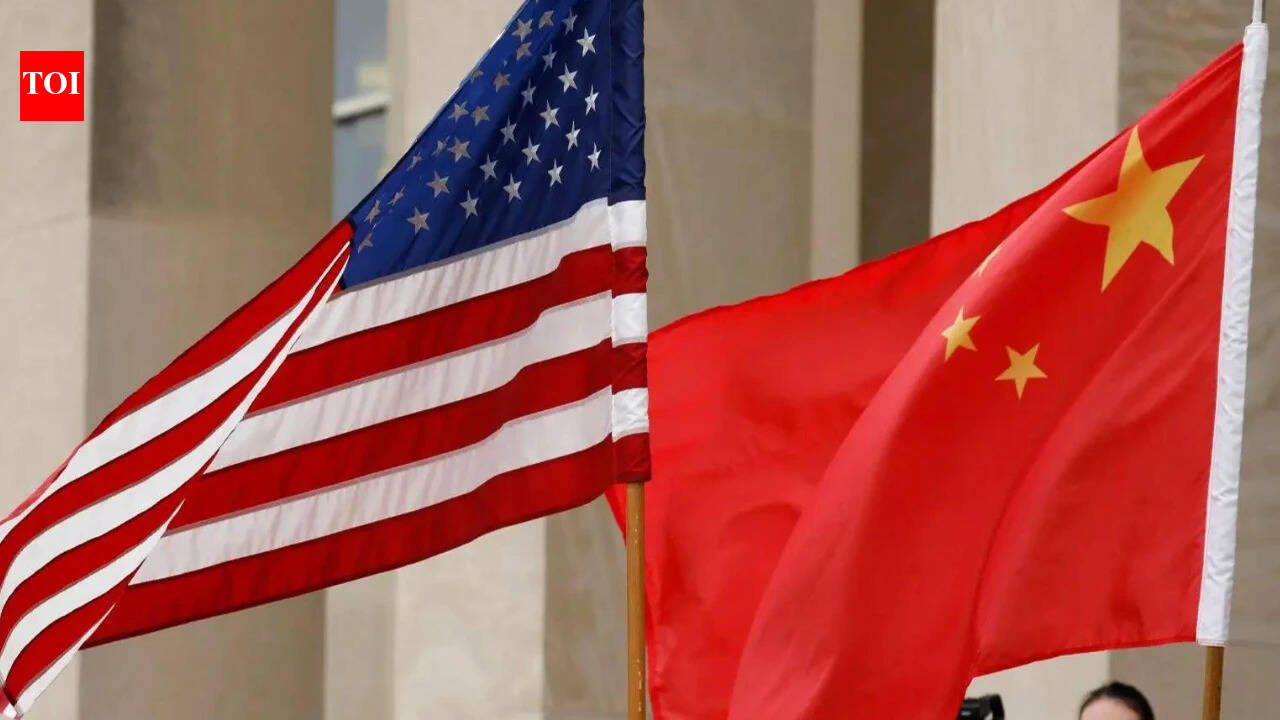
The US and China have agreed to continue trade negotiations despite tensions over unmet commitments. Washington is pressuring Beijing to honor the Busan agreement, specifically regarding rare earth minerals and agricultural purchases.
US-China Trade Relations: The Path Forward
Recent diplomatic developments indicate that the United States and China are committed to maintaining open channels for trade negotiations. Despite rising tensions, both nations have agreed to continue consultations aimed at fostering a more stable and predictable economic relationship. This ongoing dialogue serves as a critical mechanism for conflict resolution, preventing the total breakdown of trade ties between the world’s two largest economies.
The Busan Agreement as a Focal Point
At the heart of the current friction is the trade truce established between US President Donald Trump and Chinese President Xi Jinping in Busan last year. The United States has formally signaled that it believes China is failing to meet the specific obligations outlined in this agreement. The pressure from Washington is centered on ensuring that these high-level commitments are not merely symbolic but are translated into actionable policy changes that benefit American economic interests.
Critical Minerals and Agricultural Concerns
The US administration has specifically highlighted two primary areas of concern: the supply of rare earth materials and the volume of agricultural purchases. Rare earth elements are essential components for modern technology, ranging from semiconductors to renewable energy infrastructure, making their supply chain security a matter of national interest for the United States. Furthermore, agricultural exports remain a cornerstone of US trade policy, and the failure of China to reach agreed-upon procurement targets has become a significant point of contention.
Divergent Perspectives on Compliance
During recent high-level discussions involving US Treasury Secretary Scott Bessent, US Trade Representative Jamieson Greer, and Chinese Vice-Premier He Lifeng, the divide in expectations became clear. While the US side presented evidence suggesting a shortfall in compliance, Beijing has formally dismissed these accusations. China maintains that it is not withholding rare earth supplies and that its agricultural purchasing activities are consistent with current economic realities and market demand.
The Future of Bilateral Trade
Looking ahead, the continuation of these talks is a positive indicator that both powers prefer diplomatic engagement over unilateral retaliatory measures. However, the gap between US expectations and Chinese performance remains wide. Future trends will likely depend on whether Beijing can provide transparency regarding its supply chains and whether Washington can offer enough flexibility to incentivize compliance without compromising its core trade objectives.
Conclusion
The ongoing US-China dialogue remains a volatile yet essential process. As both nations navigate the complexities of global trade, the ability to reconcile the commitments made in Busan will determine the trajectory of their economic relationship. While both sides have pledged to keep talking, the tangible results of these negotiations will be measured by the actual flow of critical materials and agricultural goods across the Pacific.