The Illusion of the Manual
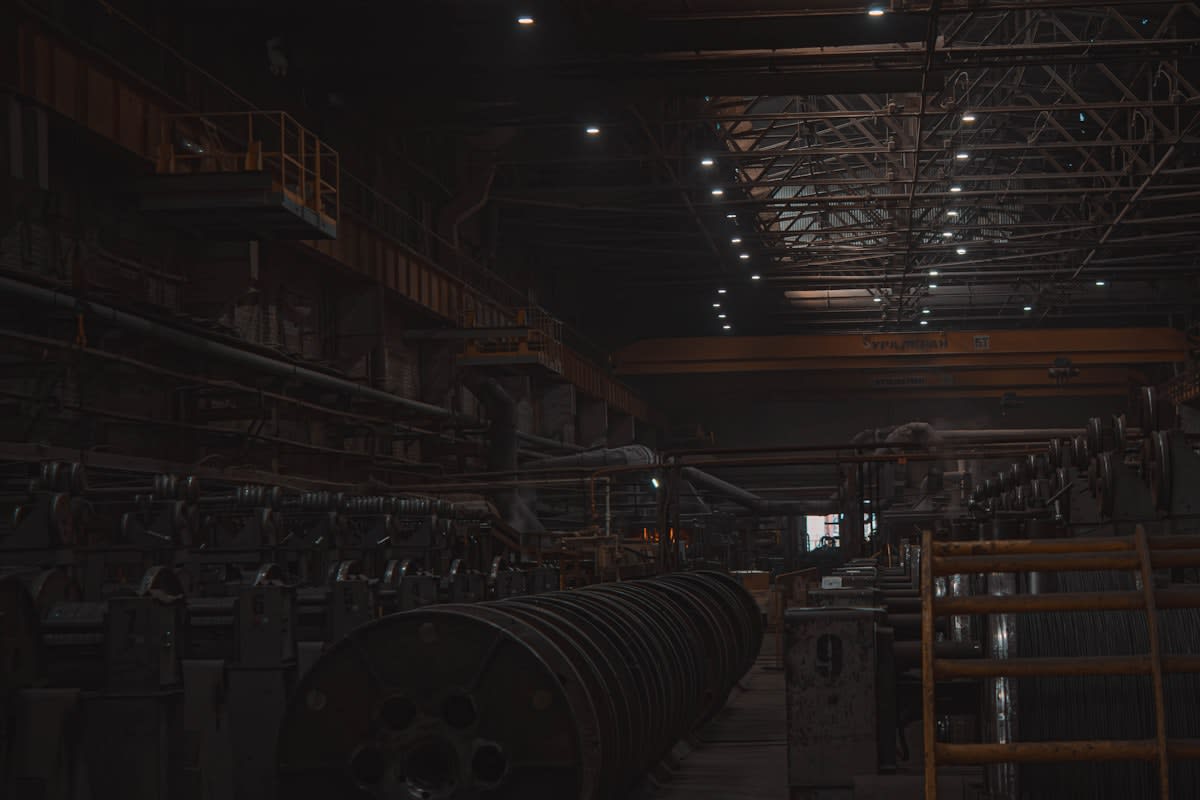
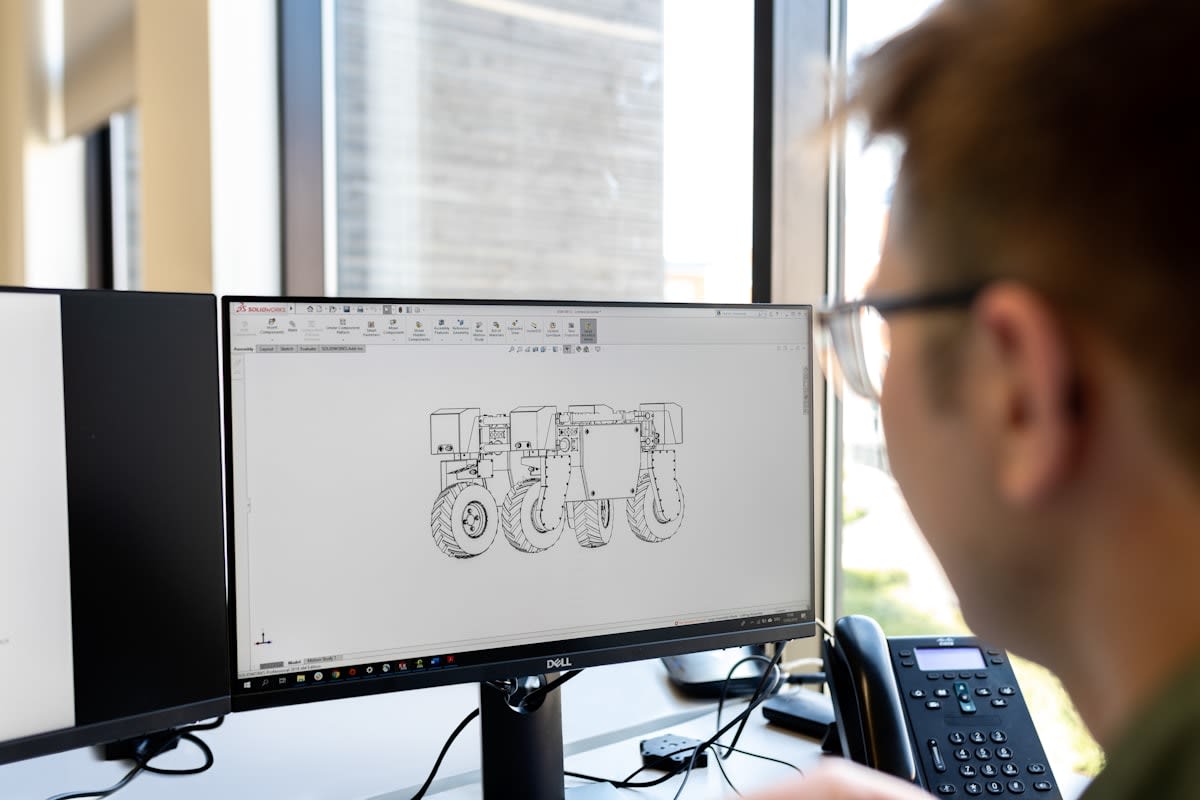
Walk into any high-precision machine shop in Stuttgart or a ship-breaking yard in Alang, and you will find a recurring tension. On one side, you have the digital twin—a perfect, sterile CAD model that dictates exactly how a part should exist. On the other, you have the veteran technician who looks at the raw material and tells you it will warp if you cut it in that order, regardless of what the software says. This gap is where the world is currently losing its grip. We have spent three decades believing that if we could just document every process, we could automate the transmission of expertise. We were wrong.
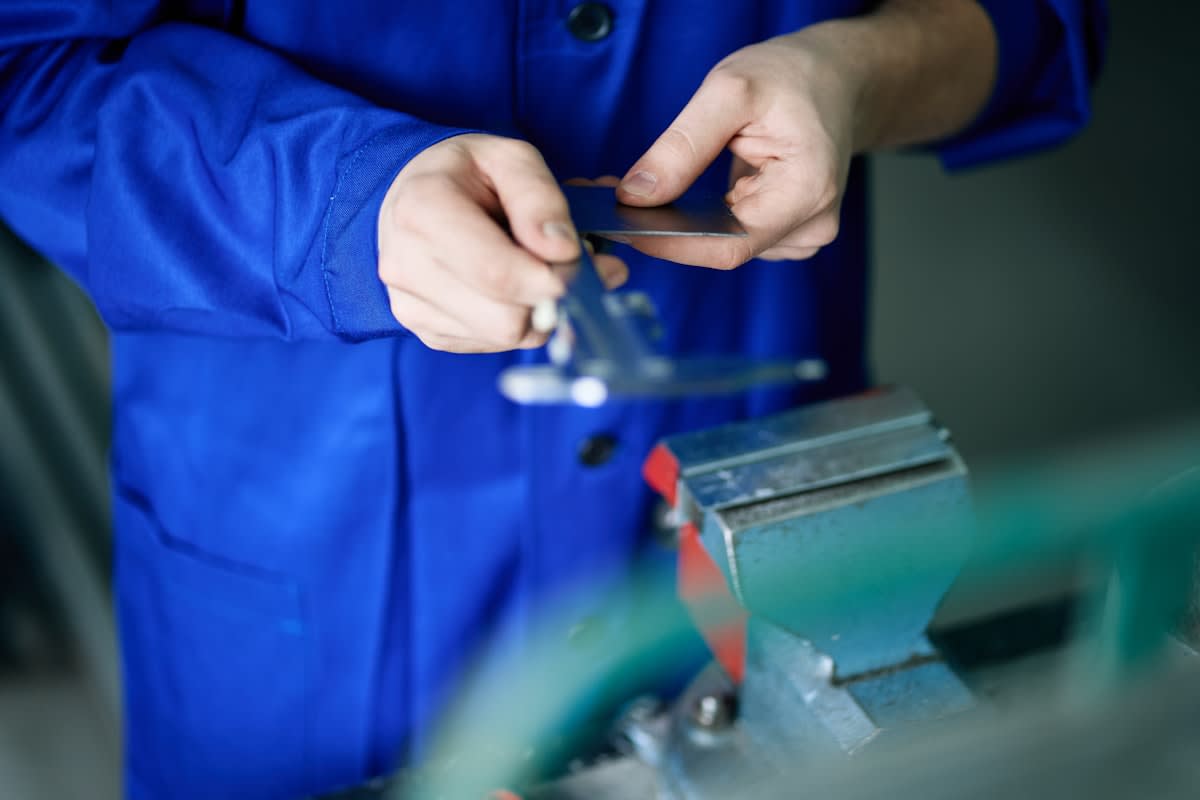
Why does a perfectly documented procedure still fail when the expert leaves the room? Because we have confused explicit knowledge—the facts, the rules, and the manuals—with tacit knowledge. Tacit knowledge is the intuitive, uncodified mastery that lives in the muscles and the subconscious. It is the sound a turbine makes just before it fails, or the specific resistance of a weld that signals a structural flaw. You cannot write a manual on how to feel the tension of a bolt; you can only learn it by watching someone who has tightened ten thousand of them. By prioritizing the document over the apprentice, we have created a systemic vulnerability in our global industrial base.
"We know more than we can tell."— Michael Polanyi, Chemist and Philosopher in 'The Tacit Dimension' (1966)
Polanyi's observation remains the central paradox of the modern economy. In our rush toward digitalization, we have treated knowledge as a commodity that can be stored in a database. Corporate 'Knowledge Management' systems are essentially digital graveyards where experts are asked to write down what they do, resulting in sterile summaries that strip away the nuance of actual practice. When a senior engineer in a Japanese automotive plant describes a process, they aren't just recalling a step; they are recalling a sensory experience. When that experience is flattened into a bulleted list, the essence of the skill evaporates.
This isn't just a nostalgic longing for the days of the master craftsman. It is a strategic risk. According to the World Economic Forum's Future of Jobs Report (2023), the demand for technical skills is skyrocketing, yet the 'skills gap' is widening not because of a lack of training, but because of a lack of mentorship. We are producing graduates who are experts in the simulation but novices in the application. They can design a bridge in a virtual environment, but they struggle to identify why a concrete pour is failing in real-time on a humid afternoon in Mumbai.
The shift from apprenticeship to certification has fundamentally altered how we perceive competence. In the old model, you weren't a master until your peers—and your work—proved it. In the new model, you are competent because you hold a certificate. This creates a dangerous delta between perceived skill and actual capability, a gap that only becomes apparent during a crisis when the manual doesn't cover the specific anomaly occurring on the factory floor.
| Feature | Explicit Knowledge | Tacit Knowledge |
|---|---|---|
| Format | Codified (Manuals, Databases) | Embedded (Experience, Intuition) |
| Transfer Method | Reading, Listening, Watching | Imitation, Mentorship, Trial & Error |
| Scalability | High (Instant distribution) | Low (Requires one-on-one time) |
| Resilience | Fragile (Useless without context) | Robust (Adapts to anomalies) |
| Example | The operating manual for a CNC machine | Knowing exactly how to offset the tool for a specific alloy |
This systemic erosion of skill is most visible in the 'Silver Tsunami'—the mass retirement of the Baby Boomer generation. In the United States and Europe, a staggering percentage of the industrial workforce is reaching retirement age simultaneously. As these individuals leave, they aren't just taking their pensions; they are taking the unwritten rules of the plant. The Deloitte and The Manufacturing Institute 2021 study highlighted that a significant portion of manufacturing vacancies remain unfilled not because people won't do the work, but because the specific, nuanced skills required to maintain legacy systems are no longer being taught.
From the perspective of someone who has spent years in the trenches of industrial operations, the internal debate isn't about 'digital vs. analog.' It's about 'certainty vs. intuition.' Junior engineers often push for a purely data-driven approach, arguing that if the sensors say the system is fine, it is fine. The veterans, however, argue that sensors only measure what they are programmed to measure. They debate the 'feel' of the machine—the vibration in the floor, the smell of the coolant—things that don't show up on a dashboard but signal a catastrophic failure hours before the alarm triggers.
Consider the Japanese concept of the Takumi—the master artisan. In companies like Toyota, the Takumi are not just respected; they are systemic safeguards. They are the ones who can identify a millimeter of misalignment by sight. The Takumi system recognizes that some knowledge is fundamentally non-transferable through text. It requires a 'cognitive apprenticeship' where the learner exists in the same physical and mental space as the master for years. This is the antithesis of the modern corporate 'onboarding' process, which usually consists of a series of slide decks and a week of shadow-watching.
Does this mean we should abandon digitalization? Absolutely not. The opportunity lies in using technology to support, rather than replace, tacit transmission. Augmented Reality (AR), for instance, allows a remote expert to see what a technician sees in real-time, providing the 'over-the-shoulder' guidance that was lost when we moved to remote work and globalized supply chains. The goal is to create a hybrid ecosystem where the explicit manual provides the map, but the tacit mentor provides the compass.
The resilience of a civilization is measured by its ability to maintain and replicate its most complex systems. If we continue to believe that a PDF is a substitute for a mentor, we are building our future on a foundation of fragile information. The real competitive advantage in the next decade won't be who has the best AI, but who has successfully preserved the human intuition that knows how to fix the AI when it breaks. We must move from a culture of 'knowledge capture' to a culture of 'skill cultivation.'
Fact-Check & Accuracy Note
The claims regarding the 'skills gap' and retirement trends are sourced from the World Economic Forum's Future of Jobs Report (2023) and the joint study by Deloitte and The Manufacturing Institute (2021). The philosophical framework of tacit knowledge is based on the established work of Michael Polanyi (1966). There is ongoing debate in the field of organizational psychology regarding whether tacit knowledge can ever be truly codified, with some arguing that AI-driven pattern recognition may eventually mimic intuitive expertise.