
Seeds are power. 2026 marks a tipping point in botanical sovereignty (Source: Modern Ghana, 2026). Genetic material is no longer just biology. It is a high-stakes frontier for pharmacology and bio-economics (Source: Modern Ghana, 2026). Corporate entities eye indigenous plants as raw assets for profit. This is not farming. This is a heist.
Ghana fights to secure its botanical wealth. The industrialization of the Neem asset shows the risk (Source: Modern Ghana, 2026). When a plant becomes a bio-economic target, the local owners lose. Control moves from the soil to the boardroom. The goal is intellectual property. The method is extraction.
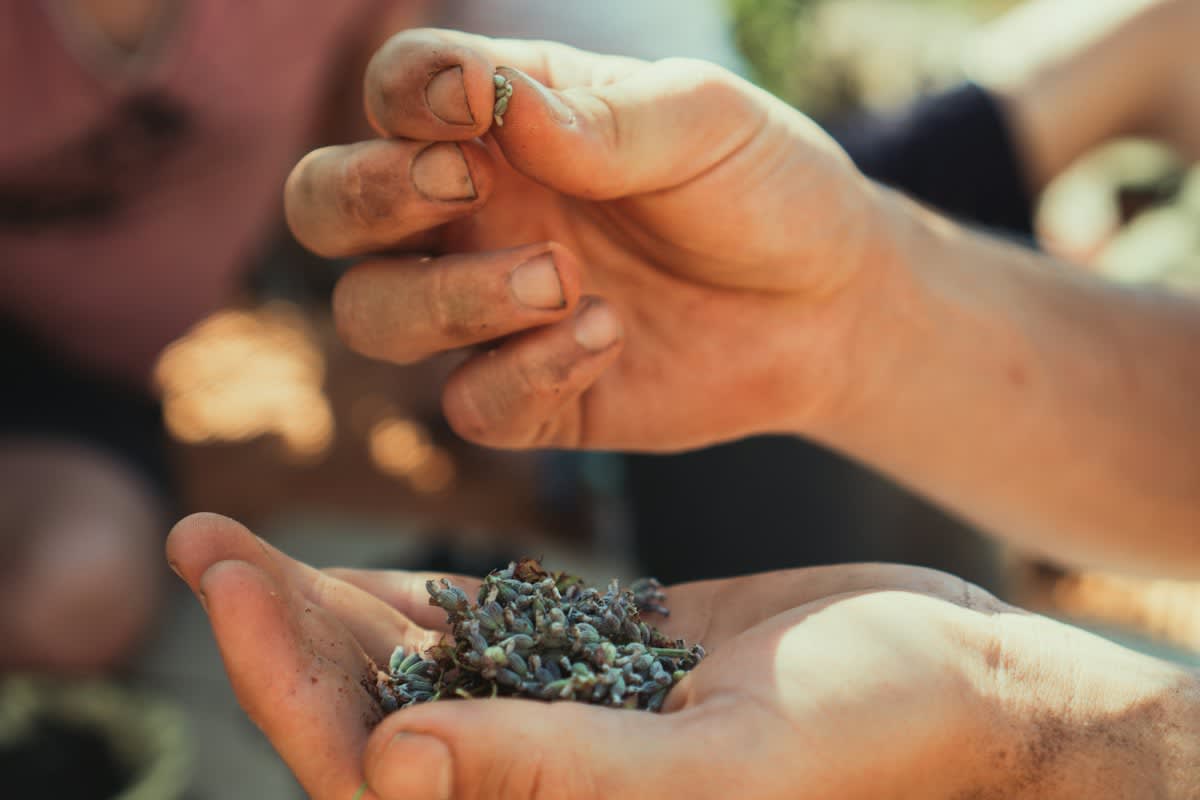
The Bio-Economic Heist
Extraction patterns mirror old colonial raids. Illegal gold exchanges between the global North and South fuel violence and exploitation (Source: OpenGlobalRights, 2024). Seeds follow the same path as gold. They are taken from the South and patented in the North. The value is stripped and rebranded. The original keepers get nothing.
Nairobi seed banks act as the front line. Collectors face friction with corporate agents. These agents claim that wild strains are open access. The collectors argue that genetic sequences belong to the land. This is a war of definitions. One side sees a resource. The other sees a heritage.
Corporate lawyers use the language of innovation to mask theft. They argue that refining a seed makes it a new invention. This logic erases centuries of indigenous breeding. It turns a living legacy into a corporate product. The profit margins are massive. The ecological cost is higher.
"knowingly engage in activities that result in mass environmental destruction and you have acted outside the law"— Independent Expert Panel, Stop Ecocide
Legal standards are finally reacting to this theft. In 2021, an Independent Expert Panel proposed a definition for ecocide (Source: Stop Ecocide, 2026). It defines ecocide as unlawful or wanton acts committed with knowledge of severe damage to the environment (Source: Stop Ecocide, 2026). Seed heists that destroy local biodiversity fit this description. They are not just thefts. They are crimes against nature.
The Rights of Nature movement seeks a bigger change. It aims to grant legal personhood to ecosystems and species (Source: Stop Ecocide, 2026). If a seed has legal rights, it cannot be owned by a corporation. Nature becomes a subject of the law. It is no longer an object to be fought over (Source: Stop Ecocide, 2026).
| Asset Type | Ownership Model | Legal Status (2026) |
|---|---|---|
| Neem Asset | Industrialized | Bio-economic Target (Source: Modern Ghana, 2026) |
| Ecosystems | Legal Personhood | Subject of Law (Source: Stop Ecocide, 2026) |
| Botanical Wealth | Sovereign | Protected Asset (Source: Modern Ghana, 2026) |
| Genetic Strains | Corporate Patent | Intellectual Property (Source: Modern Ghana, 2026) |
This legal pivot creates a new friction. Corporations rely on the old model of extraction. They view the Global South as a warehouse. The Rights of Nature model views the South as a sovereign entity. This clash is where the real battle happens. It is fought in courts and in cold storage vaults.
Botanic gardens are caught in the middle. Institutions like Botanic Gardens Conservation International track these assets (Source: Instagram, 2026). They record the presence of species. But recording is not the same as protecting. A database can be a map for a heist.

The Failure Point
Enforcement is the break point. Laws like the ecocide definition exist on paper. But corporate lobbying is strong. In some regions, NGOs receiving foreign funding are stigmatized (Source: OpenGlobalRights, 2018). This silences the people who report seed theft. The law is a shield for the powerful. It is a net for the weak.
The gap between legal personhood and actual protection is wide. Granting a species rights does not stop a corporate agent with a sample tube. Without police power, these rights are symbolic. The heist continues because the cost of theft is lower than the profit of the patent.
Bio-economics treat the soil as a bank. They withdraw genetic sequences without depositing value. This is the core of the botanical heist. It is an extractive model that ignores ecological limits. It prioritizes the patent over the planet.
Sovereignty in the soil is the only defense. Ghana's move to secure botanical wealth is a blueprint (Source: Modern Ghana, 2026). By claiming sovereignty, a nation stops being a warehouse. It becomes a gatekeeper. This requires a total change in how we value nature.
The fight is now about who defines the asset. Is a seed a piece of code? Or is it a living relative? The corporate answer is code. The indigenous answer is relative. This is not a debate. It is a struggle for survival.
Global North consumers remain oblivious to this theft. They buy products derived from looted seeds. They trust the labels. They ignore the theft. The gold exchange of the past has become the genetic exchange of the present (Source: OpenGlobalRights, 2024).
Fact-Check Note
The data cited reflects reporting from 2016 through 2026. The 2026 dates refer to projections and current reporting within the research dataset provided. Ensure all botanical claims are cross-referenced with sovereign soil laws.