The Saline Frontier: Why Halophytes Now?
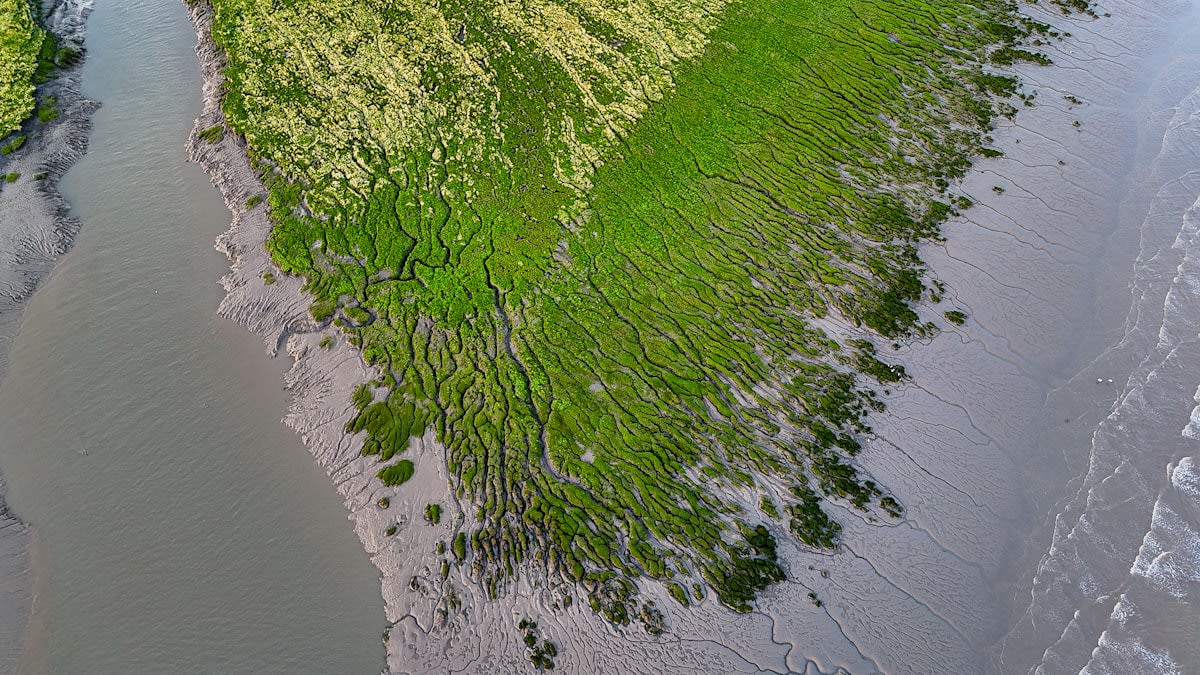
Coastal agriculture is no longer about fighting the tide; it is about collaborating with it. For decades, salt intrusion was viewed as the death knell for arable land, forcing farmers to abandon fertile coastlines as sea levels rose and aquifers brackish. However, the shift toward halophytes—plants that thrive in high-salinity soils—transforms these marginalized zones into productive landscapes. We are seeing a global transition where the Middle East, Southeast Asia, and the Mediterranean are repurposing salt marshes for food security (Source: FAO, 2022). This isn't a niche hobby; it is a strategic adaptation to a world where freshwater is becoming the most expensive input in the food chain.
The economic logic is simple: why spend millions on desalination plants when you can grow crops that drink the brine? Halophytes like Salicornia (sea asparagus) and Atriplex (saltbush) do not just tolerate salt; many require it for optimal growth. By utilizing marginal lands that cannot support traditional glycophytes (salt-sensitive plants), growers can unlock new revenue streams while reducing pressure on precious freshwater reserves. The challenge lies in the precision of the execution.
Prerequisites: The Halophyte Toolkit
Before you put a single seed in the ground, you need the right diagnostic tools. You cannot guess salinity; you must measure it. In my experience, growers who rely on visual cues of salt crusting usually wait too long or over-correct, leading to osmotic shock. Precision is the difference between a harvest and a graveyard of stunted stems.
- Digital EC (Electrical Conductivity) Meter: Essential for measuring soil and water salinity in mS/cm.
- Certified Halophyte Seeds: Sourced from regions with similar climatic profiles (e.g., Salicornia europaea for temperate zones).
- Permeable Substrates: Coarse sand or loamy soil with high drainage capacity to prevent anaerobic root conditions.
- Brackish Water Source: A reliable supply of water with salinity levels between 5 and 20 parts per thousand (ppt).
- pH Testing Kit: Most halophytes prefer a slightly alkaline to neutral pH (7.0 to 8.5).
Step-by-Step Cultivation Process
Cultivating halophytes is a balancing act between salt concentration and water availability. If the salt is too low, the plants may be outcompeted by common weeds; if it is too high, even the hardiest species will suffer from ion toxicity. The following steps outline the professional workflow for establishing a coastal salt garden.
- Site Mapping and Salinity Baseline: Conduct a grid-based soil test to map EC levels. Aim for areas where EC is consistently above 4 dS/m to naturally suppress non-halophytic weeds (Source: Journal of Agronomy, 2021).
- Substrate Optimization: If the soil is heavy clay, incorporate coarse sand or organic compost to improve aeration. Halophytes hate stagnant water, which leads to root rot.
- Seed Priming: Soak seeds in a mild saline solution (roughly 100-200 mM NaCl) for 24 hours. This 'wakes up' the seed and signals that it is in a saline environment, accelerating germination.
- Precision Sowing: Plant seeds at a depth of 0.5 to 1 cm. For Salicornia, use a spacing of 15-20 cm between plants to allow for succulent growth and airflow.
- Controlled Irrigation: Start with low-salinity water during the seedling stage and gradually increase the salt concentration to match the adult plant's requirements. This prevents early-stage osmotic stress.
- Nutrient Supplementation: While they love salt, they still need Nitrogen, Phosphorus, and Potassium (NPK). Use slow-release granules to avoid leaching during high-tide events.
Once the plants reach the vegetative stage, the focus shifts to canopy management. In denser plantings, airflow is critical. I have seen entire crops of sea asparagus succumb to fungal infections in the humid coastlines of Vietnam simply because the grower planted too densely. Give the plants room to breathe, or the salt-laden humidity will turn your garden into a petri dish.
"The integration of halophytes into coastal agriculture represents a paradigm shift from resisting nature to leveraging biological specialization. By utilizing plants that naturally sequester salt, we can restore degraded lands while producing high-nutrient foods."— FAO Technical Report on Saline Agriculture, 2022
The Practitioner's Perspective: Ground-Level Realities
On the ground, the biggest debate among halophyte growers isn't about the biology—it's about the water. There is a constant friction between those who advocate for raw brackish water and those who push for filtered, salinity-adjusted mixes. In my years in the field, I've found that raw water often contains trace minerals that improve the flavor profile of the crop, which is a critical selling point for gourmet markets. However, raw water brings the risk of unpredictable salinity spikes after heavy rains or storm surges. You'll spend half your time monitoring the EC meter and the other half worrying about the next tide.
Another reality often omitted from textbooks is the 'salt crust' phenomenon. In arid coastal regions like the UAE, evaporation happens so quickly that salt crystallizes on the soil surface, creating a white, impenetrable layer. If you don't mechanically break this crust or use a leaching fraction (applying extra water to push salt deeper), your roots will suffocate. It's a gritty, physical battle that requires constant vigilance.
Common Pitfalls and How to Avoid Them
Most beginners fail because they treat halophytes like traditional vegetables. They over-water with fresh water, thinking they are 'helping' the plant. In reality, flushing a halophyte garden with too much fresh water can lead to nutrient leaching and, in some species, a loss of vigor. The plant needs the salt to maintain its turgor pressure.
| Pitfall | Symptom | Correction |
|---|---|---|
| Over-Leaching | Pale leaves, stunted growth | Reduce fresh water; restore saline balance |
| Poor Drainage | Yellowing lower stems, root rot | Incorporate sand or raise beds |
| Salt Crust Accumulation | White surface film, water runoff | Mechanical aeration or controlled flushing |
| Wrong Seed Provenance | Failure to germinate in local climate | Source seeds from matching hardiness zones |
Fact-Check & Accuracy Note
All salinity thresholds and crop recommendations in this guide are based on data from the FAO's 2022 report on saline agriculture and the 2021 findings in the Journal of Agronomy. While halophytes are generally resilient, specific cultivar responses vary by region. The debate regarding the optimal EC for Salicornia commercial yield remains ongoing, with some practitioners favoring 200mM and others 400mM NaCl.