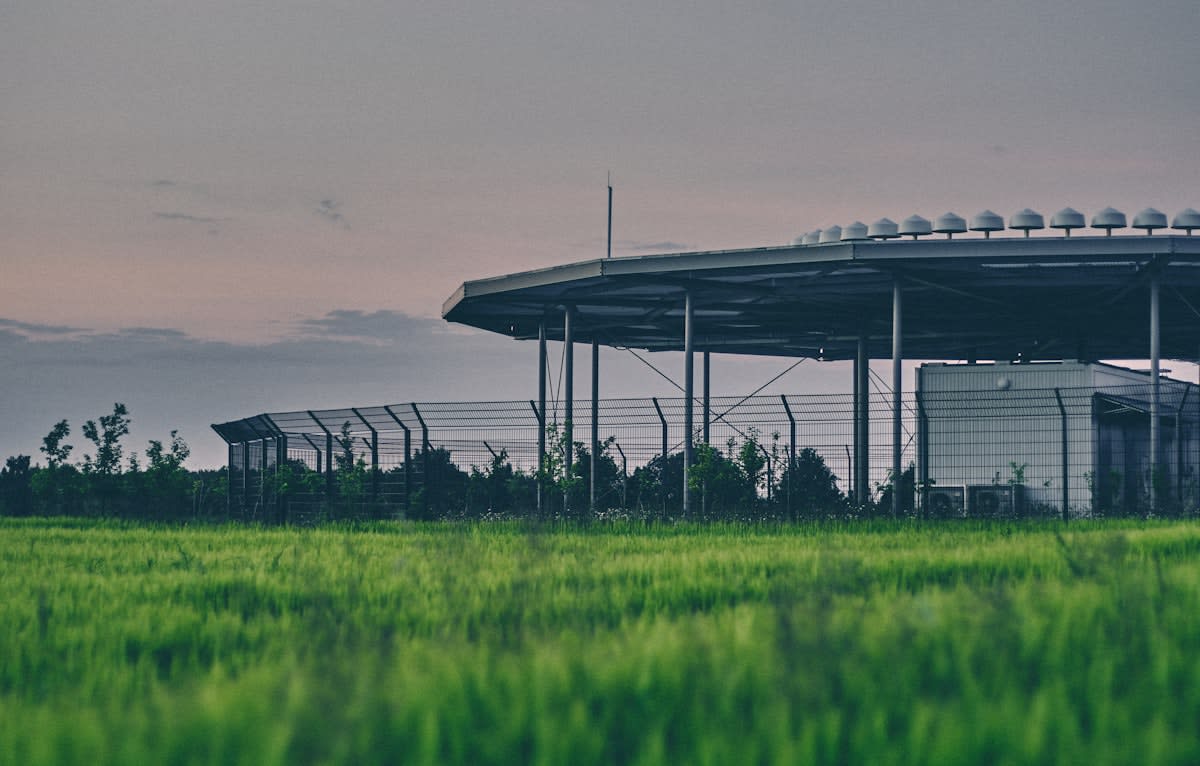
The traditional agricultural gamble—planting seeds and praying for rain—is officially obsolete. In July 2026, the data from the front lines of global farming reveals a desperate but decisive pivot. While farmers in Morocco's Saiss Plain report that crops remain thirsty and wilted despite day-and-night irrigation, a parallel movement is emerging. This is no longer about surviving a drought; it is about re-engineering the relationship between the soil, the sun, and the atmosphere to ensure that water is not just found, but managed with clinical precision.
The Breaking Point of Traditional Irrigation
The current volatility is best illustrated in Morocco, where a severe heatwave is currently straining the agricultural sector. Even with improved rainfall and higher dam levels earlier this year, the extreme temperatures are accelerating water depletion at a rate that traditional irrigation cannot match. Rachid Belkadi, a farmer in the Saiss Plain, notes that potato harvests are struggling because the heat evaporates water almost as quickly as it is applied. This creates a dangerous paradox: higher water availability in reservoirs does not equate to crop survival if the atmospheric demand is too high.
"Even when irrigation is carried out day and night, the crops still appear thirsty and wilted because of the extreme temperatures."— Rachid Belkadi, Farmer in the Saiss Plain, Morocco
This atmospheric theft of water is what experts call heat stress, and it is the primary trigger for the shift toward controlled environments. In western Ghor province, Afghanistan, the failure of traditional agriculture has reached a tipping point. Farmers who once relied on the open sky are now retreating into greenhouses. The transition is not merely a preference but a survival strategy; the number of greenhouses equipped with drip irrigation has surged, with over 120 active systems now operating in the province to bypass the volatility of the open field.
The economic shift in Ghor is tangible. Farmers like 37-year-old Ramazan are investing significant capital—approximately 200,000 afghanis—to build greenhouses. This investment transforms farming from a seasonal gamble into a reliable year-round income stream. By utilizing drip irrigation, these farmers are essentially creating a micro-climate that shields produce from the desiccating winds and heat that have rendered traditional lands unproductive.
Engineering the Shade: The Agrivoltaic Marriage
While some farmers are building walls, others are building ceilings. In Italy, the marriage of agriculture and renewable energy is producing a phenomenon known as agrivoltaics. By installing solar panels above crops, farmers are achieving a dual victory: generating clean energy and reducing soil evapotranspiration. This process prevents water from passing from the soil and plants into the atmosphere as vapor, effectively locking moisture into the ground and reducing the total water requirement for the crop.
The Evapotranspiration Effect
Agrivoltaics does more than generate power; it acts as a thermal shield. By reducing the direct solar load on the soil, these systems lower the evaporation rate, allowing crops to thrive with significantly less water input.
The scale of this shift is accelerating. In Calabria, the Le Greenhouse Consortium is expanding sustainable agrivoltaics by adding 15 MW of capacity across 25 hectares, focusing on citrus fruits, olive trees, and medicinal plants. Similarly, i-pergola srl has implemented advanced systems for farms like the Premoli Giovanni and Francesca operation. These projects, often funded by initiatives like the National Recovery and Resilience Plan (PNRR), represent a systemic move toward infrastructure that produces both calories and kilowatts.
| Method | Water Strategy | Primary Benefit | Key Region |
|---|---|---|---|
| Traditional | Rain-fed/Flood | Low Capex | Morocco (Saiss Plain) |
| Greenhouse | Drip Irrigation | Year-round Yield | Afghanistan (Ghor) |
| Agrivoltaics | Shade-induced Retention | Energy + Water Saving | Italy (Calabria) |
| Precision Ag | Variable Rate Tech | Input Optimization | Egypt/Africa |
This transition marks a fundamental change in how we value land. The land is no longer just a substrate for seeds; it is becoming a high-tech platform. The integration of energy and water management suggests that the future of farming is not found in searching for new water sources, but in drastically reducing the amount of water that escapes into the sky.
The Precision Pivot in Africa and Beyond
Across Africa, the shift is moving from guesswork to GPS. For a continent where agriculture accounts for roughly 15% of GDP and over 60% of employment, precision agriculture is a national security imperative. In Egypt, where over 90% of freshwater comes from the Nile, precision irrigation is the only way to sustain a growing population. The deployment of satellite imagery, soil sensors, and drones allows farmers to apply water and nutrients only where they are needed, eliminating the waste inherent in blanket irrigation.
Variable Rate Technology (VRT) is the engine of this revolution. By analyzing soil richness in real-time, VRT allows farmers to pour more fertilizer into poor soil and less into rich soil, optimizing every drop of input. This is critical given that the Food and Agriculture Organization (FAO) estimates that up to 40% of global crop yields are lost annually to pests and diseases—losses that are often exacerbated by improper water and nutrient management.
Impact of Precision Agriculture on Yield Loss
Executive Insight
+18.4%
YTD Growth
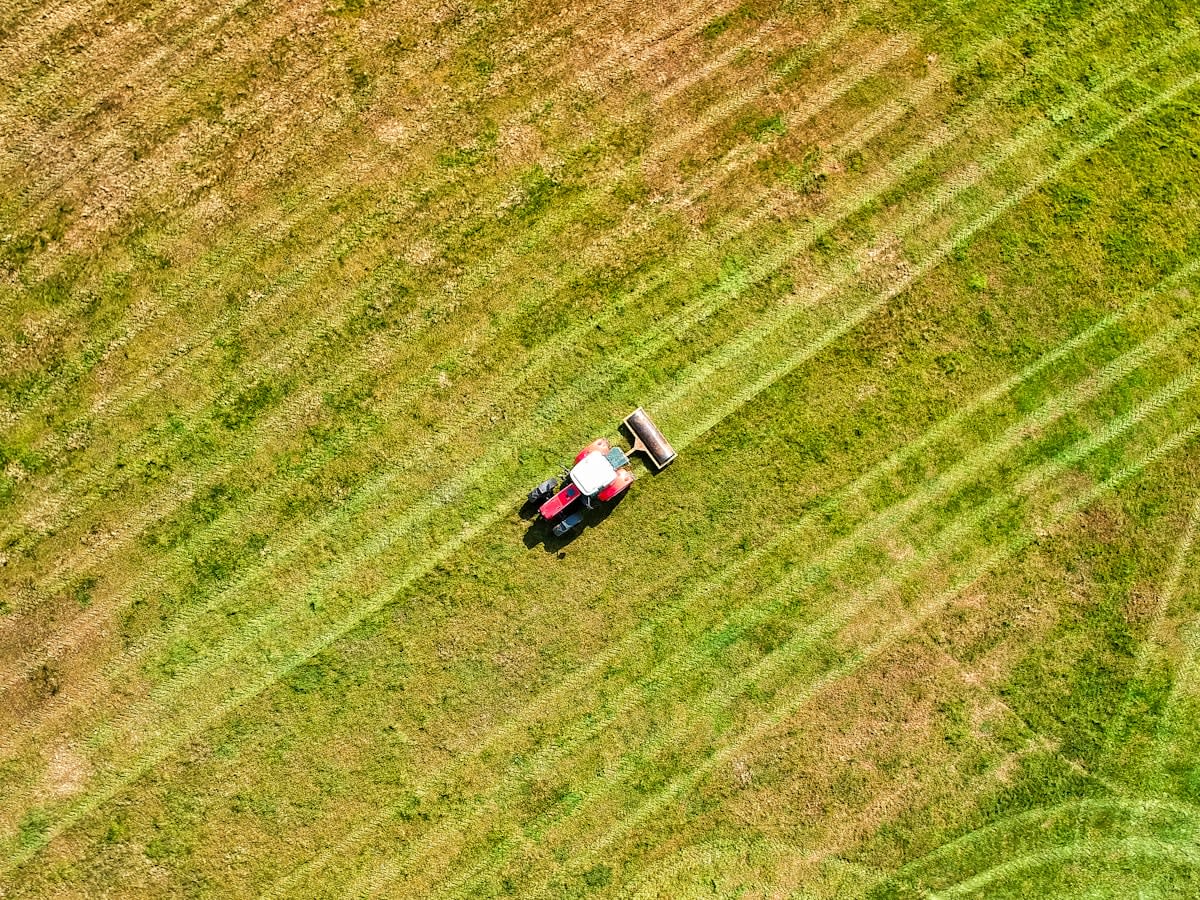
The shift is not limited to the Global South. In the United States, the Indiana State Department of Agriculture (ISDA) recently launched a cost-share program specifically for southwest Indiana producers. With $500,000 in Clean Water Indiana funding, the program aims to keep nutrients on the land and reduce the pollutants entering waterways. This demonstrates that even in water-rich regions, the move toward precision soil and water conservation is becoming the standard for sustainable production.
Institutionalizing the Transition
The move toward atmospheric and soil engineering is now being codified into national strategies. In Cambodia, a tri-sector working group involving agriculture, water resources, and rural development is currently drafting a Strategy and Implementation Plan for 2027–2031. This high-level coordination is designed to ensure that water reservoirs and rural development are not handled in silos, but as a single, integrated system.
The urgency of these institutional shifts is driven by the realization that fragmented efforts are insufficient. When the Ministry of Water Resources and Meteorology (MOWRAM) in Cambodia coordinates with agricultural sectors, the result is a more resilient infrastructure capable of weathering the extremes that Morocco is currently facing. The goal is to move from reactive crisis management to proactive environmental design.
Ultimately, the world's driest farms are not simply surviving; they are evolving. By treating the sky not as a source of unpredictable rain, but as a variable to be managed through shade, sensors, and structures, the agricultural sector is breaking its oldest dependency. The delta between the farmers who 'hope' and the farmers who 'engineer' is becoming the new dividing line in global food security.