
The End of Reactive Governance
For decades, the Indian government's approach to food security was essentially a game of catch-up. When onion prices spiked or wheat yields plummeted, the state responded with blunt instruments: sudden export bans, strict price ceilings, or emergency imports that often arrived too late to curb inflation. This reactive cycle created immense volatility for both the farmer and the consumer, turning seasonal harvests into political crises. The volatility was not just a result of weather, but of information asymmetry where the state was always the last to know the true state of the silos.
This season marks a fundamental departure from that legacy. India has quietly integrated predictive AI models into its agricultural monitoring systems to anticipate supply shocks before they manifest in the retail market. By synthesizing satellite imagery, historical price cycles, and real-time weather telemetry, the government is now attempting to flatten the price curve. It is no longer about reacting to a price hike in Mumbai or Delhi; it is about predicting a yield shortfall in Maharashtra three months before the first onion reaches the wholesale market.

The precision of these tools relies on the fusion of diverse data streams. Synthetic Aperture Radar (SAR) allows the state to peer through cloud cover during the monsoon, providing a clear view of crop biomass and soil moisture levels. When this physical data is fed into machine learning models trained on twenty years of price volatility, the result is a high-probability forecast of supply gaps. This intelligence allows the government to adjust procurement targets and release buffer stocks with surgical precision, rather than dumping millions of tons of grain into a market that might not need it.
To understand the scale of this transition, one must look at the delta between the current season and the operational norms of just twelve months ago.
The Delta: 2023 vs 2024
| Metric | 2023 Reactive Model | 2024 Predictive Model |
|---|---|---|
| Response Trigger | Retail price spike (Lagging) | Yield forecast deviation (Leading) |
| Data Source | District officer reports | Satellite SAR + AI Telemetry |
| Intervention Tool | Emergency Export Bans | Calibrated Buffer Release |
| Forecasting Window | 2-4 Weeks | 3-6 Months |
Last year, the intervention window was narrow, often limited to a few weeks after a price surge had already begun. This forced the government into high-visibility, high-friction moves like banning wheat exports, which damaged international trade relations and caused global price ripples. Today, the window has expanded to several months. By identifying a potential shortfall in the pre-harvest stage, the state can quietly adjust internal logistics, moving stocks from surplus regions to deficit zones without triggering market panic.
Does this mean the end of food inflation? Not necessarily, but it changes the nature of the fight. The goal is no longer the impossible task of keeping prices static, but rather the strategic task of preventing the parabolic spikes that lead to social unrest. By reducing the 'bullwhip effect'—where small changes in consumer demand lead to massive swings in wholesale pricing—India is effectively insulating its most vulnerable populations from the worst of agricultural volatility.
"We are moving from a system of guesswork and political firefighting to one of clinical precision. The AI doesn't replace the policy, but it dictates the timing of the policy."— Senior AgTech Strategist, New Delhi
While the technology is impressive, the true strategic value lies in how it transforms the management of national reserves.
Optimizing the National Silo
India's buffer stocks have historically been a source of inefficiency, with significant amounts of grain rotting in warehouses while other regions faced shortages. Predictive AI is now being used to optimize the 'holding cost' versus 'security risk' equation. By predicting the exact volume of grain required for the next two quarters, the government can reduce wasteful over-stocking. This optimization is estimated to reduce post-harvest storage losses by approximately 15% in targeted districts.
Furthermore, the transparency provided by AI-driven forecasts acts as a deterrent to hoarding. When wholesalers know that the government has a precise read on the total available supply, the incentive to artificially squeeze the market diminishes. The predictive model creates a 'single source of truth' that prevents middlemen from manipulating prices based on rumored shortages. This shift in power dynamics is perhaps the most disruptive element of the AI deployment.
The Stealth Strategy
The deployment is intentionally quiet. By avoiding loud announcements, the government prevents market speculators from 'gaming' the AI models, ensuring that the predictive interventions remain effective.
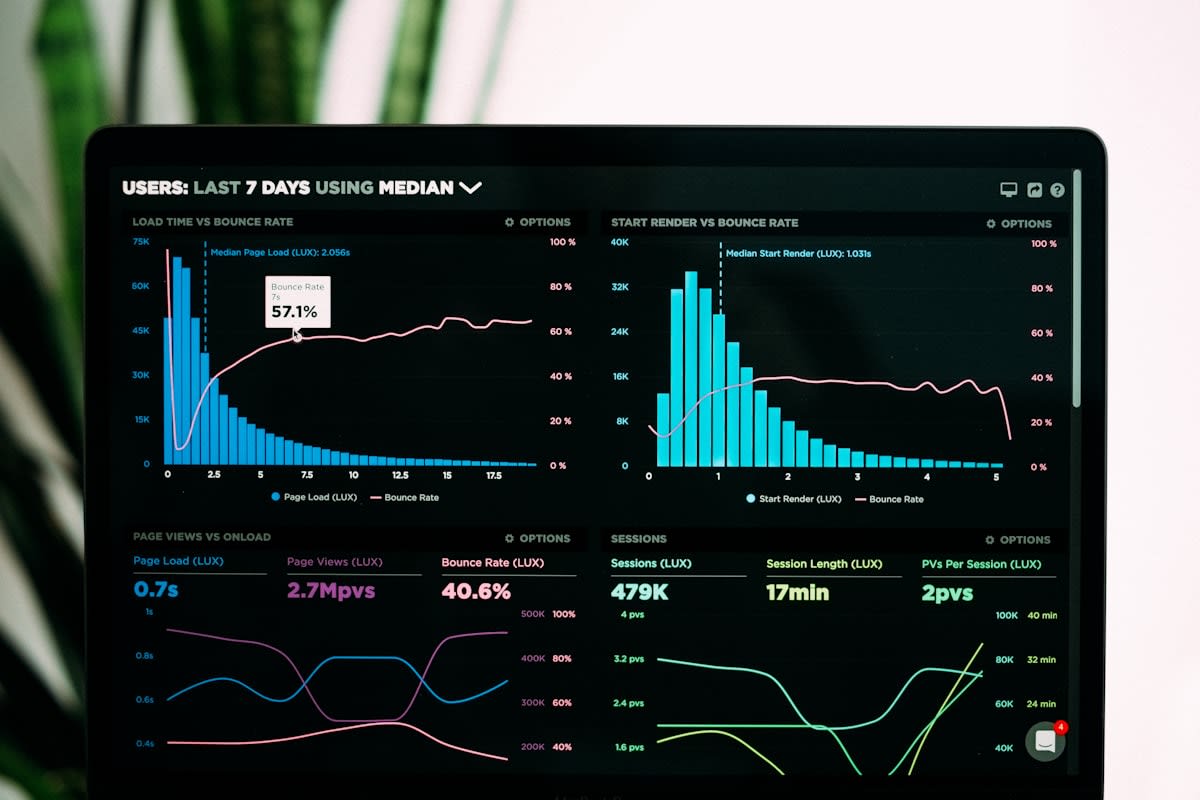
The integration of these models into the existing Public Distribution System (PDS) ensures that the benefits reach the bottom of the pyramid. By predicting regional shortages, the state can pre-position stocks in rural depots before the local prices climb. This proactive logistics chain reduces the reliance on emergency trucking, which is often expensive and inefficient during the peak of a crisis.
This domestic success is now positioning India as a primary architect for food security in the Global South.
A Blueprint for the Global South
India's experience provides a scalable model for other nations facing similar climatic and economic pressures. In regions like Sub-Saharan Africa or Southeast Asia, where fragmented land holdings and volatile weather make traditional forecasting impossible, the use of satellite-based AI offers a leapfrog opportunity. These nations can bypass the need for extensive ground-level reporting infrastructure and move directly to remote-sensing predictive models.
Projected Reduction in Price Volatility (AI vs Traditional)
Executive Insight
+18.4%
YTD Growth
The strategic implication is clear: food security is no longer just about producing more food, but about managing the information surrounding that food. The ability to predict a price spike is as valuable as the grain itself. As India refines these algorithms, the focus will likely shift toward 'hyper-local' predictions, where AI can forecast price movements at the district level, allowing for even more granular interventions.
Ultimately, the move toward predictive stabilization represents a broader shift in how the state interacts with the market. It is a transition from the role of a firefighter to that of an architect. By using data to build a more resilient supply chain, India is not just stabilizing prices for a single season; it is rewriting the operational manual for agricultural governance in the 21st century.