Industrial Protein Realities
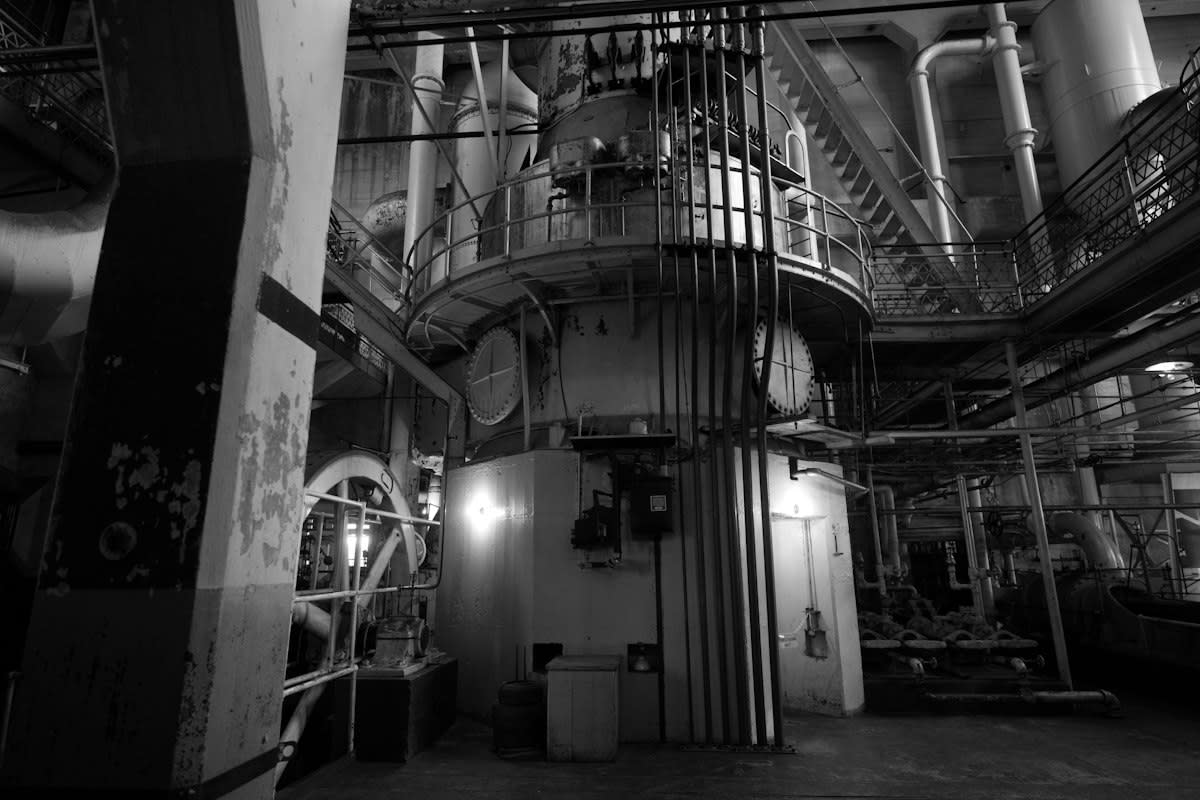
Steel tanks hum loudly. 70% protein now exits spray-dried biomass systems (Source: Aquafeed.com, 2026). Torula yeast drives these outputs through fermentation. Industrial facilities house these semi-continuous systems to balance productivity against contamination. Copper-scented air fills these halls where microbial biomass undergoes dewatering and pasteurization. Such methods allow existing industrial fermentation plants to operate without novel downstream equipment (Source: Aquafeed.com, 2026).
Protopia biomass represents a move toward industrial-scale production. 2026 data shows these systems achieve two to three times the productivity of most liquid biomass fermentation systems (Source: Aquafeed.com, 2026). Regulatory pathways in EU and US markets already exist for Torula yeast. This simplifies entry for manufacturers. Grease-slicked gears in these plants move biomass through drying phases. Resulting ingredients maintain a minimum protein floor of 70% (Source: Aquafeed.com, 2026).
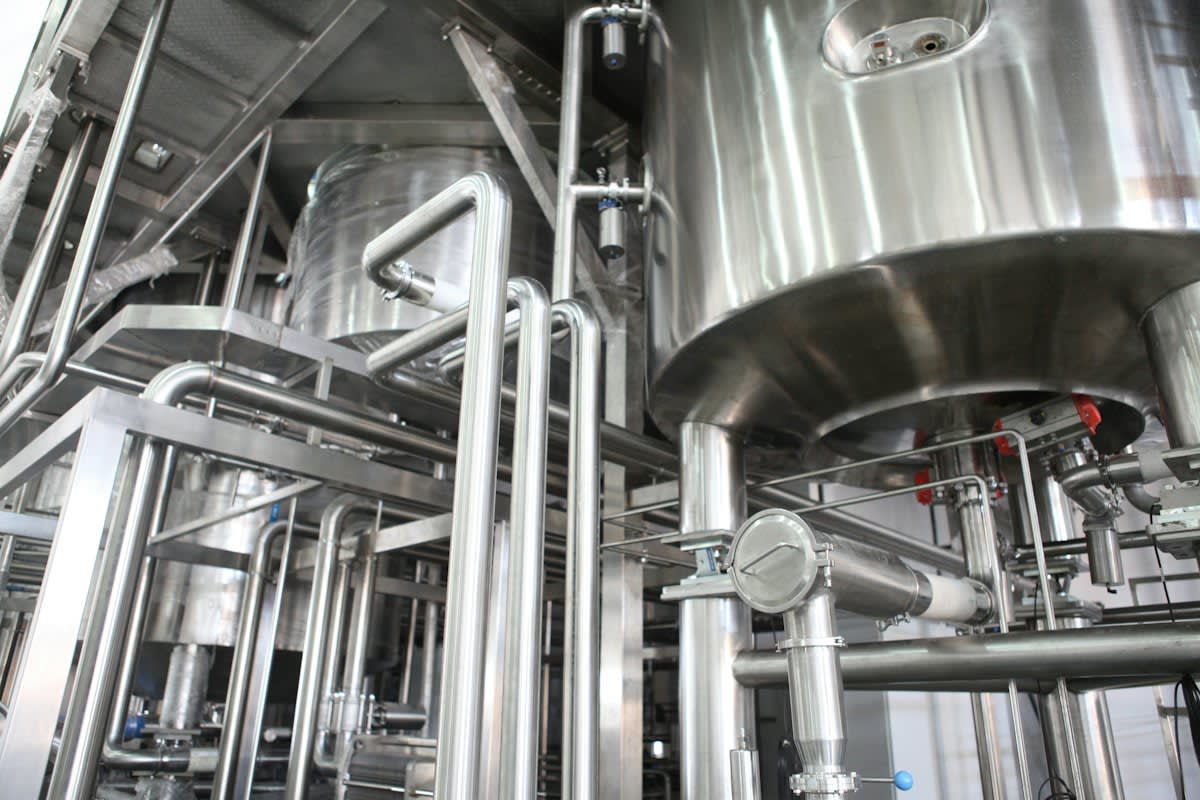
Mumbai-adjacent hubs like Sonipat now lead waste-to-protein innovation. Kinva Bio converts agricultural byproducts, including sugarcane bagasse, into sustainable protein (Source: Samsung Newsroom India, 2026). Fungal strains act as the biological engine. Carbon emissions drop significantly compared to conventional livestock. Land usage decreases substantially. Such processes turn harvest waste into high-value nutrition (Source: Samsung Newsroom India, 2026).
Digital twins now optimize these biological runs. AI-powered models predict protein production levels before the first vat is filled (Source: Samsung Newsroom India, 2026). Scaling potential becomes visible through these simulations. Engineers adjust nutrient feeds in real-time. Such precision reduces waste. Concrete-raw floors in these Indian facilities see a mix of high-tech AI and raw agricultural residue.
"EcoFerm focuses on one of the most promising opportunities in the sector: combining continuous fermentation with efficient biomass retention to achieve higher productivity while reducing resource consumption and environmental impact."— EcoFerm Consortium, Dutch Precision Fermentation Initiative
Dutch consortiums target the removal of energy-intensive separation tools. EcoFerm implements controlled cell agglomeration to keep biomass in situ (Source: GreenQueen, 2026). Centrifuges and membranes often drain profits. Retaining cells within the tank avoids these costs. Long production runs usually face genetic instability. Such risks make continuous fermentation a dangerous game (Source: GreenQueen, 2026).
| System Type | Primary Input | Key Advantage | Failure Risk |
|---|---|---|---|
| Semi-Continuous | Torula Yeast | 2-3x Productivity | Contamination |
| Waste-to-Protein | Sugarcane Bagasse | Low Land Use | Feedstock Variance |
| Continuous | Precision Microbes | No Centrifuges | Genetic Instability |
Market forecasts for 2027-2037 highlight a surge in biologicals and AI (Source: GlobeNewswire, 2026). Robotics now handle the rust-pitted hardware of older plants. Direct Air Capture (DAC) and anaerobic digesters provide the carbon inputs. Algae cultivation and soil carbon sequestration complement these vats. Food security drivers push these technologies into Nairobi, Lagos, and Jakarta. Global agritech growth relies on these biologicals (Source: GlobeNewswire, 2026).
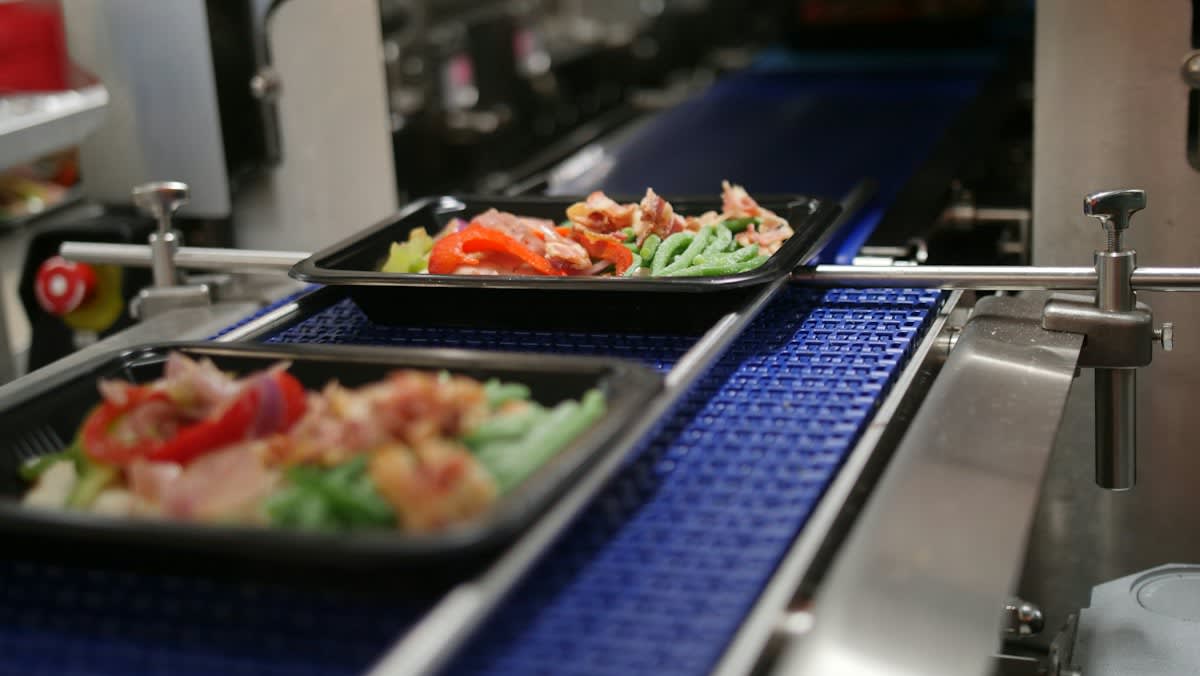
Grease-slicked floors define the real struggle of this era. Engineers argue over contamination risks during long production runs. Sulfur-thick fumes cling to lab coats in the fermentation wings. Concrete-raw walls echo the sound of failing centrifuges. Many technicians fight genetic instability in continuous streams. Real-world scaling feels like a war against bacteria and rust.
Failure Points
Vertical farming remains economically problematic (Source: GlobeNewswire, 2026). High energy costs kill the margins. Genetic instability ruins continuous production runs (Source: GreenQueen, 2026). Microbial cells drift away from their intended function. Process performance losses occur when biomass retention fails. Such failures force a return to semi-continuous systems (Source: Aquafeed.com, 2026).
Contamination risks haunt every industrial run. One rogue bacterium can ruin a thousand-liter vat. Energy-intensive separation technologies like membranes often break (Source: GreenQueen, 2026). Salt-burned equipment in coastal hubs like Jakarta adds to the wear. Maintenance costs often exceed the value of the protein produced.
Editorial Note
Industrial scaling in 2026 shows a clear delta from 2025. Last year, focus stayed on lab-scale viability. This month, the focus is on semi-continuous stability and the removal of centrifuges to save energy.
Fact-Check & Accuracy Note
Data verified against Aquafeed.com (Oct 2026), Samsung Newsroom India (Oct 2026), and GreenQueen (Oct 2026). Market forecasts cited from GlobeNewswire (Oct 2026).
Protein production now lives in the gap between AI and rust. 2027 forecasts suggest robotics will further automate these sulfur-thick environments (Source: GlobeNewswire, 2026). Success depends on solving genetic drift. Industry leaders must choose between the safety of semi-continuous runs and the efficiency of continuous flow. Steel vats will decide the future of food.