Prerequisites for Soil Desalinization
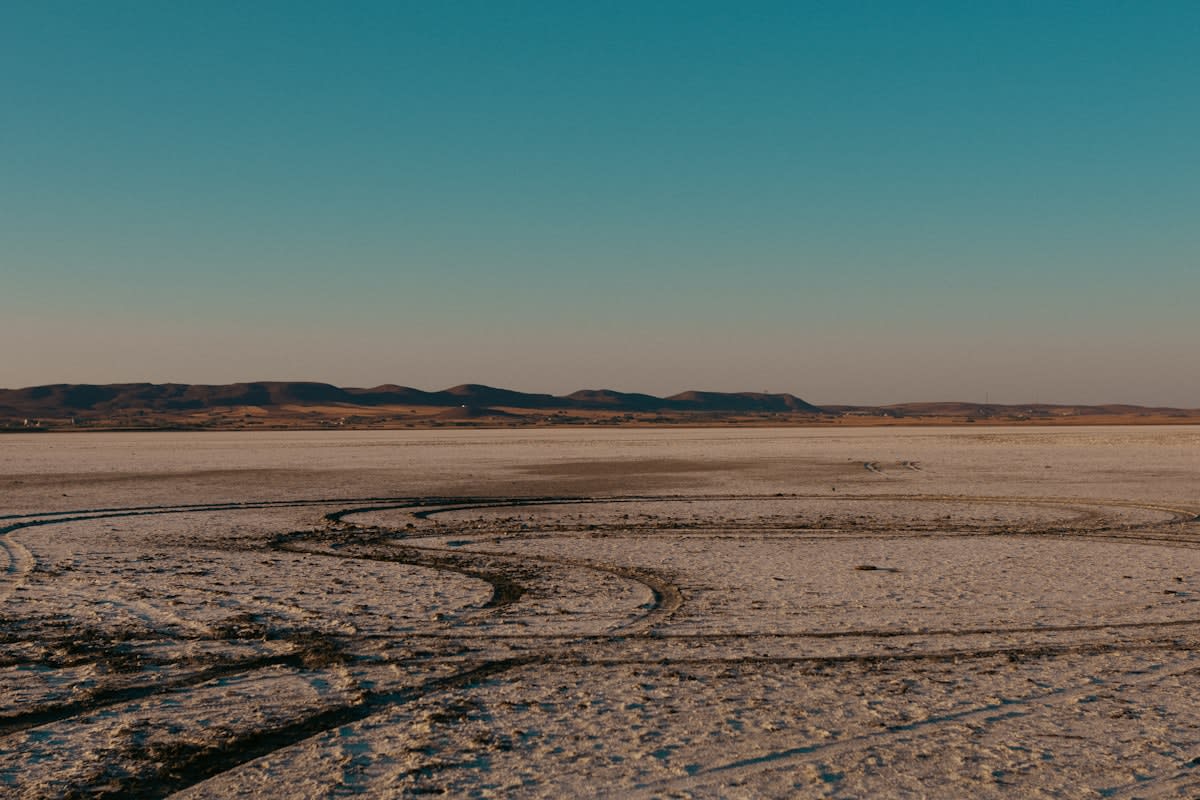
Reclaiming salt-affected land is not a matter of simple irrigation; it is a precise exercise in chemical displacement. In arid regions like the Fergana Valley or the fringes of the Sahel, the primary adversary is often the Exchangeable Sodium Percentage (ESP). When sodium ions dominate the soil exchange complex, they cause clay particles to disperse, collapsing the soil structure and creating an impermeable layer that prevents water infiltration. To reverse this, a practitioner must first secure a high-volume source of leaching water with a low Sodium Adsorption Ratio (SAR) and a reliable supply of agricultural-grade calcium sulfate (gypsum). Without a functioning subsurface drainage system, any attempt to leach salts will merely push the salinity deeper into the root zone or raise the water table, leading to catastrophic secondary salinization.
- TDR (Time Domain Reflectometry) probes for real-time electrical conductivity (EC) monitoring
- Agricultural-grade Gypsum (CaSO4.2H2O) with a purity of at least 90%
- Subsurface tile drainage or deep open-ditch networks
- Water source with an EC below 1.5 dS/m
- Organic amendments including composted manure or biochar
The Technical Execution Sequence
- Baseline Chemical Mapping: Establish the current EC and ESP levels across the plot.
- Chemical Amendment Application: Incorporate calcium sources to displace exchangeable sodium.
- Controlled Leaching Phase: Apply calculated volumes of water to flush displaced ions.
- Structural Stabilization: Integrate organic matter to rebuild soil aggregates.
- Biotic Transition: Plant salt-tolerant halophytes to stabilize the rhizosphere.
The process begins with baseline chemical mapping. One cannot treat what one has not measured. By utilizing a grid-based sampling method, practitioners must determine the Electrical Conductivity (EC) and the pH of the soil. In sodic soils, the pH often climbs above 8.5, signaling a dominance of sodium carbonates. This mapping phase identifies the 'hot spots' of salinity, allowing for variable-rate application of amendments. A failure to map the spatial variability of the salt crust leads to over-application in some areas and under-treatment in others, wasting resources and risking nutrient imbalances.
Once the baseline is established, the chemical amendment phase commences. The objective is to replace the sodium ions (Na+) on the clay particles with calcium ions (Ca2+). Gypsum is the gold standard here because it is moderately soluble and provides a steady stream of calcium. The calcium displaces the sodium, which then forms sodium sulfate—a highly soluble salt that can be washed away. For soils with an ESP exceeding 15%, application rates typically range from 5 to 15 tonnes per hectare, depending on the soil texture and the target sodium level. The gypsum must be mechanically incorporated into the top 15-20 cm of the soil to ensure maximum contact with the exchange sites.
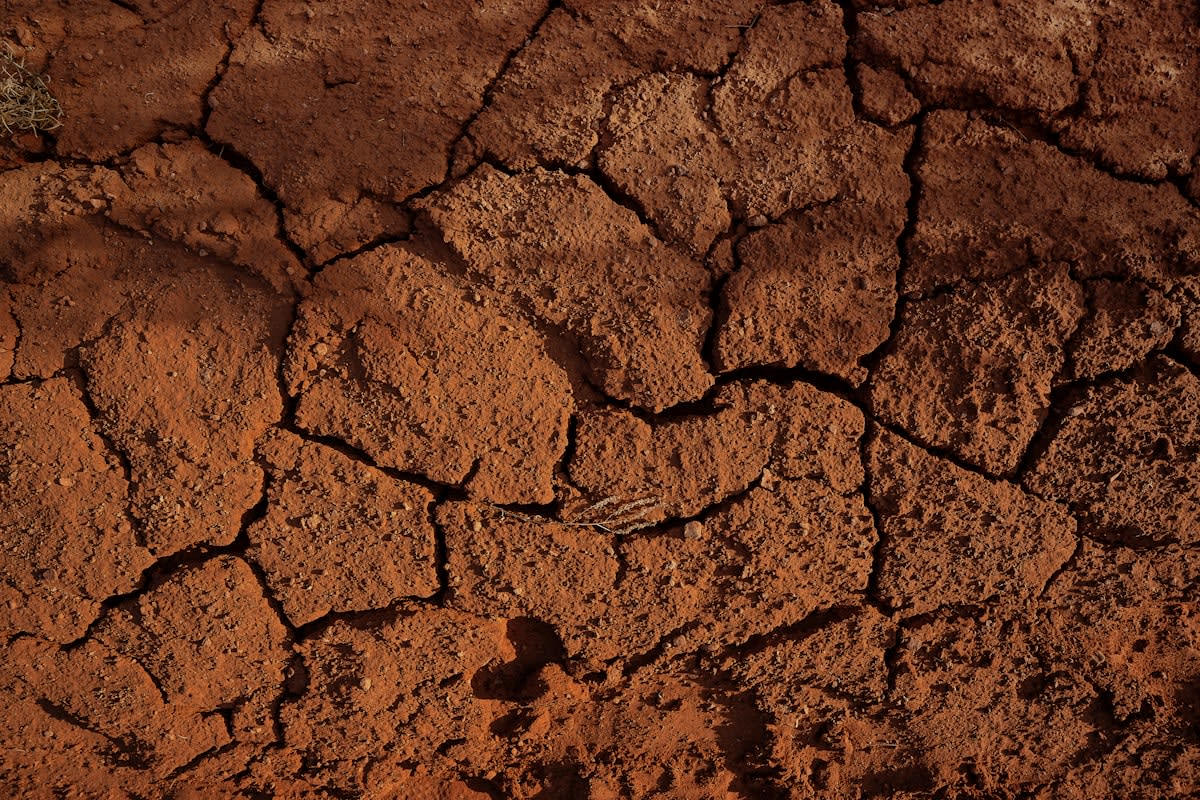
Leaching is where the actual removal of salt occurs. However, the timing is critical; leaching must occur after the calcium amendment has had time to react. The volume of water required is determined by the leaching fraction—the percentage of applied water that must pass through the root zone to maintain a specific salt balance. In highly saline zones, a leaching fraction of 15% to 25% is often necessary. If the water is applied too quickly, it may create preferential flow paths, leaving 'islands' of salinity untouched. Slow, controlled applications via drip or furrow irrigation ensure that the water moves uniformly through the soil profile, carrying the displaced sodium ions toward the drainage outlets.
| Soil Condition | EC (dS/m) | ESP (%) | Primary Risk |
|---|---|---|---|
| Non-Saline | < 2 | < 5 | Nutrient Deficiency |
| Saline | > 4 | < 15 | Osmotic Stress |
| Sodic | < 4 | > 15 | Structural Collapse |
| Saline-Sodic | > 4 | > 15 | Combined Toxicity |
After the ions are flushed, the soil remains physically fragile. The removal of sodium often leaves the soil prone to compaction. This is where structural stabilization through organic matter integration becomes paramount. Adding composted manure or biochar introduces humic acids that help glue soil particles into stable aggregates. These aggregates create macropores, which improve aeration and ensure that future leaching is more efficient. Without this step, the soil often reverts to a compacted state, reducing the hydraulic conductivity and making the land susceptible to salt accumulation once again.
"The chemistry of reclamation is a battle of ions. If you ignore the physical structure of the soil, you are merely moving the salt around, not removing it from the system."— Chief Soil Scientist, Arid Lands Research Initiative
The final stage is the biotic transition. Introducing halophytes—plants naturally adapted to high salinity, such as Atriplex or certain species of Salicornia—serves two purposes. First, these plants act as biological pumps, extracting remaining salts from the soil through their root systems. Second, their root architecture helps maintain soil porosity. By harvesting and removing these plants, a practitioner physically removes salt from the land. This biological phase bridges the gap between a chemically treated wasteland and a productive agricultural field, allowing for the gradual introduction of more sensitive food crops.

The SAR Warning
Water quality is the single most common point of failure. Using water with a high SAR (Sodium Adsorption Ratio) for leaching will actually increase the sodicity of the soil, effectively undoing the work of the gypsum amendments.
Calculating the Gypsum Requirement
Precision in amendment application prevents soil acidification and resource waste. The Gypsum Requirement (GR) is calculated based on the current ESP and the desired target ESP. This involves determining the Cation Exchange Capacity (CEC) of the soil—essentially the soil's ability to hold onto ions. A soil with high clay content has a higher CEC and therefore requires significantly more gypsum to achieve the same reduction in sodium as a sandy soil. The following logic represents the fundamental calculation used to determine the mass of gypsum needed per hectare.
def calculategypsumrequirement(cec, currentesp, targetesp, bulk_density, depth):
    # Constants
    molweightgypsum = 172.17
    molweightsodium = 22.99

    # Calculate sodium to be displaced (cmol(+)/kg)
    natodisplace = (currentesp - targetesp) / 100 * cec

    # Convert to kg/ha
    soilmass = bulkdensity  depth  10000000
    gypsumneeded = (natodisplace / 10)  (molweightgypsum / molweightsodium)  soilmass / 1000

    return gypsum_needed
The chemical reaction is straightforward but demanding. The calcium ions from the dissolving gypsum (CaSO4) outcompete the sodium ions for the negative charge sites on the clay minerals. As the sodium is kicked off the exchange site, it enters the soil solution as Na+. If the drainage is efficient, the subsequent leaching phase washes this sodium solution out of the root zone. If the drainage is poor, the sodium simply re-attaches to the clay or accumulates in the lower horizons, creating a toxic salt layer that can kill deep-rooted perennials.
Common Pitfalls in Arid Reclamation
The most frequent error is the 'Leach-First' fallacy. Many practitioners attempt to flush the soil with water before applying chemical amendments. In sodic soils, this is a disaster. Because sodium causes soil dispersion, adding pure water without first adding calcium causes the soil to seal. The water cannot penetrate the surface, leading to massive runoff and surface ponding, while the subsoil remains saline. The calcium must be present to maintain the soil's permeability during the leaching process.
Another critical failure is the neglect of secondary salinization. Reclamation is not a one-time event but a maintenance cycle. In arid zones, high evaporation rates constantly pull salts from the deep groundwater back to the surface through capillary action. If the subsurface drainage is not maintained or if irrigation water quality degrades, the salt crust will return within 24 to 36 months. Long-term success requires a permanent commitment to monitoring the EC of the soil solution and adjusting the leaching fraction based on seasonal evaporation rates.