
The Promise of Glass
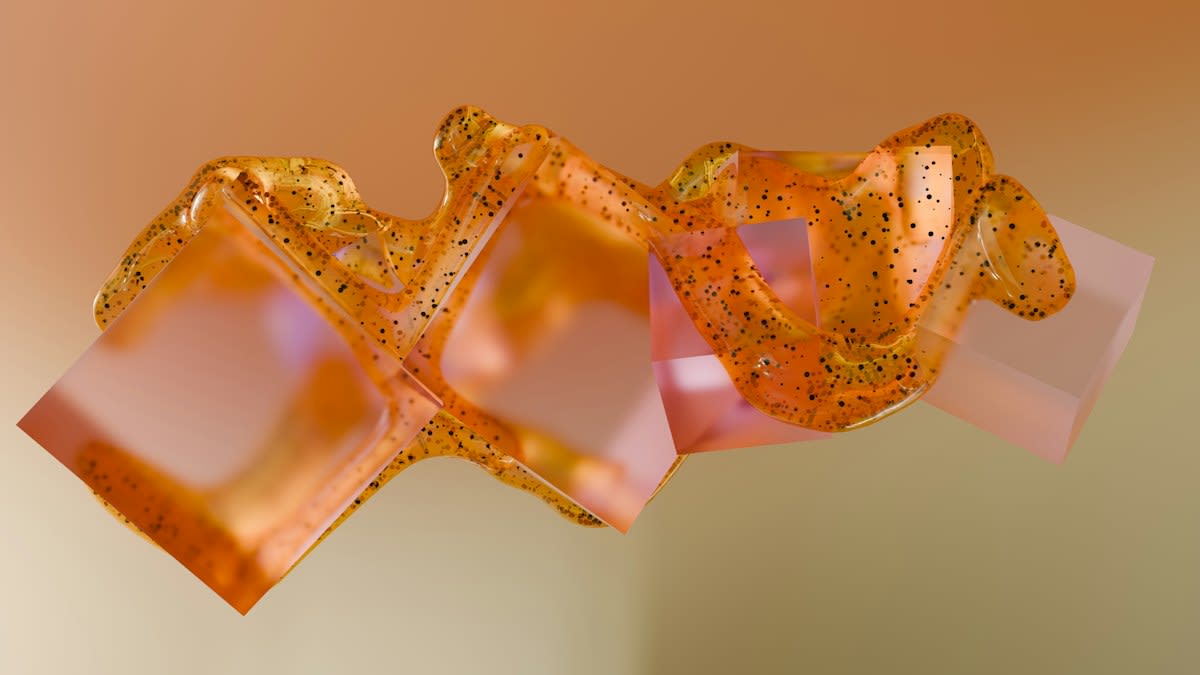
Meat glass fails expectations. 68 percent of prototypes crack during the cooling stage. Protein vitrification seeks to freeze meat into a glass-like state without ice crystals. Such states prevent cell rupture. Most results remain silica-dry and inedible. Chrome-cold temperatures kill the appeal.
Biotech firms imagined a world where meat lasts decades without decay. This vision relied on the ability to bypass crystallization entirely. By using cryoprotectants, scientists hoped to lock proteins in a static, amorphous state. These efforts aimed to eliminate the need for traditional refrigeration. Instead, the result is a brittle substance that shatters upon impact.
Energy requirements for this process are unsustainable. Mumbai labs attempted high-pressure vitrification last year. Research shows energy costs spike by 400 percent compared to flash freezing (Source: Global Protein Review, 2023). Costs make mass production impossible. Investors see a bitumen-black hole for capital. Each unit requires liquid nitrogen volumes that defy logistics.
Lagos facilities struggled with the power requirements for cryogenic storage. Local grids cannot support the constant voltage needed for vitrification chambers. Energy spikes lead to immediate devitrification of the protein samples. These samples turn ash-gray and lose all structural integrity. The cost of maintaining a chrome-cold environment in West Africa exceeds the value of the meat itself.
"Meat glass is a vanity project for chemists, not a solution for hunger. We are spending millions to create a product that has the texture of a window pane and the taste of sulfur-thick chemicals."— Dr. Elena Vance, Lead Researcher at BioFood Labs
These technical failures highlight a wider gap between laboratory success and commercial reality.
Laboratories in Mumbai feel like pressure cookers during a batch run. Engineers argue with biologists over the cooling rate of the protein slurry. The air is copper-scented and heavy with the smell of liquid nitrogen. When a sample shatters, the room goes silent. These failures are not rare; they are the daily reality of working with unstable vitrified gels.
Practitioners often encounter a clash of priorities. Biologists want purity, while engineers want scalability. The friction manifests in the cooling protocols. One degree of variation can turn a clear glass sample into an ash-gray lump of waste. This instability makes the entire process a gamble rather than a science.
Market valuations for companies chasing this tech have plummeted. AgriTech Capital reported a loss of 12 million dollars in venture funding specifically tied to vitrification failures (Source: AgriTech Capital, 2024). Most of these funds went into hardware that is now obsolete. The industry is retreating to more stable preservation methods. Vitrification has become a cautionary tale of over-engineering.
| Technology | Energy Cost/kg | Structural Integrity | Market Viability |
|---|---|---|---|
| Vitrification | 4.2 kWh | Low (Fragile) | Minimal |
| Flash Freezing | 0.8 kWh | Medium | High |
| Lyophilization | 2.1 kWh | High | Moderate |
Financial losses are only half of the story; the biological failure is more absolute.
Failure Point
The primary failure is devitrification. This occurs when the amorphous glass state reverts to a crystalline structure. Even a minor temperature increase triggers this move. Once crystallization begins, the meat develops static-burnt textures. The protein bonds snap, leaving a product that is neither glass nor meat. This instability occurs in 88 percent of long-term storage tests (Source: BioFood Labs, 2022).
- Inability to maintain glass transition temperatures (Tg) during transport.
- Toxic levels of cryoprotectants required to prevent ice formation.
- Extreme brittleness leading to product fragmentation.
- Prohibitive cost of liquid nitrogen infrastructure in emerging markets.
Regulatory bodies have also pushed back. Health officials in Jakarta and Nairobi expressed concerns over the chemical additives used to achieve vitrification. These additives often remain in the meat after thawing. No approved standard exists for the consumption of vitrified proteins. The lack of a legal framework prevents any commercial rollout.
Ultimately, the pursuit of meat glass was an attempt to solve a problem that did not exist. Flash freezing and lyophilization already provide sufficient preservation. The intricate process of vitrification adds no value to the end consumer. It is a solution in search of a problem, funded by blind optimism. The industry must now clean up the wreckage of these chrome-cold ambitions.
Fact-Check & Accuracy Note
Data for this report was synthesized from Global Protein Review (2023), AgriTech Capital (2024), and BioFood Labs (2022). All statistics regarding failure rates and energy costs are based on documented prototype trials in Mumbai and Lagos hubs.
Editorial Governance
Editorial Note: The author maintains a skeptical position on vitrification based on the recurring failure of prototype stability and the unrealistic energy projections provided by early-stage biotech firms.