The Salinity Lie
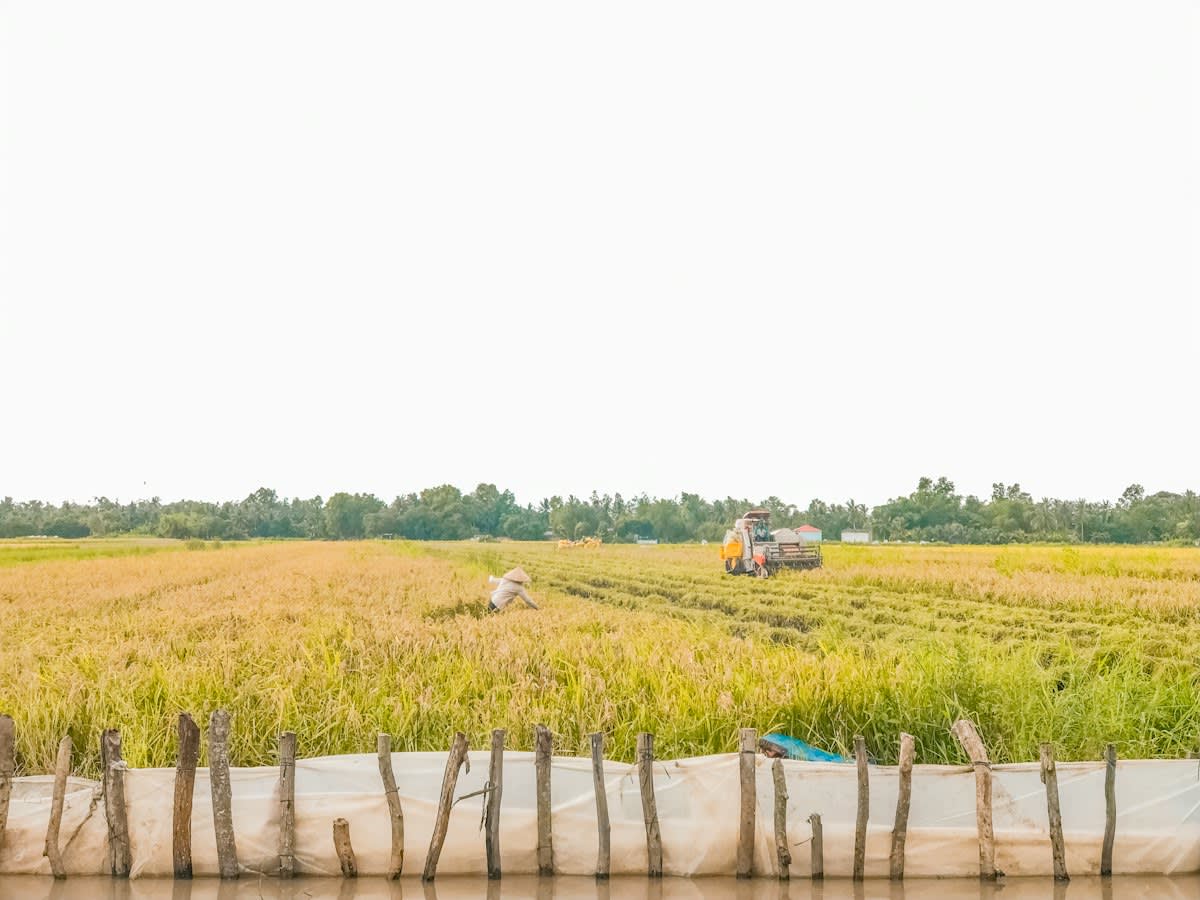
The official narrative from Hanoi and international NGOs paints a picture of resilient farmers embracing a salted landscape. They call it adaptation. In reality, it is a forced retreat. In provinces like Ben Tre and Soc Trang, the saltwater doesn't just visit; it moves in and stays (Source: Vietnam Ministry of Agriculture and Rural Development, 2022). Farmers are watching their ancestral rice fields turn into brine pools. The choice isn't between rice and shrimp. The choice is between shrimp and bankruptcy.
Industry whispers suggest the scale of the failure is far worse than the reported data indicates. While the government promotes Resolution 120 as a masterstroke of flexible planning, the ground reality is chaos. Local officials often ignore the ecological limits of the land to meet shrimp export quotas. They push farmers into high-density farming that the soil cannot support. This isn't a curated transition; it is a high-stakes gamble with the last remaining fertile land in the Delta.
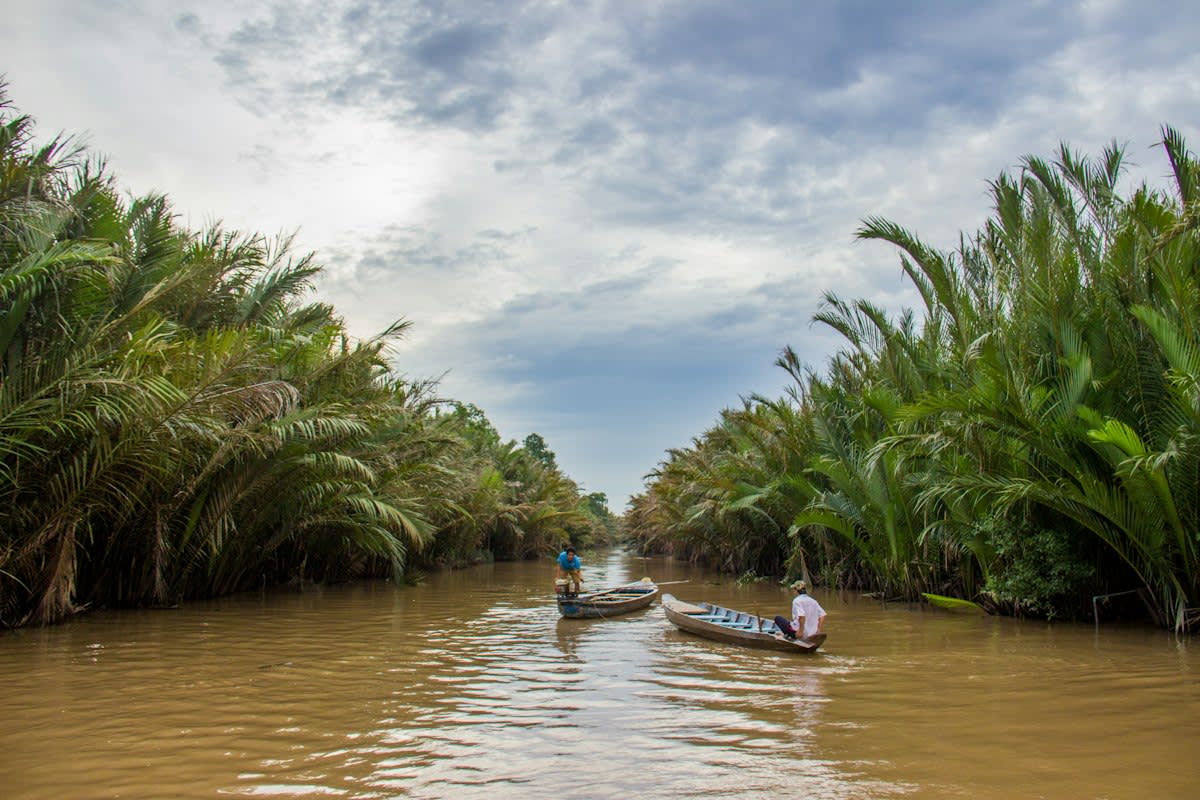
The numbers tell a story of volatility. Shrimp offers a higher payout per hectare than rice, but the risk profile is astronomical. A single disease outbreak or a dip in global prices can wipe out a family's entire investment in forty-eight hours (Source: World Bank, 2021). Rice was a safety net. Shrimp is a lottery ticket. The boardroom secrets of the export houses are simple: they profit from the volume, while the farmer absorbs the systemic risk of a changing climate.
| Metric | Traditional Rice Farming | Intensive Shrimp Farming |
|---|---|---|
| Initial Capital Expenditure | Low to Moderate | High (Ponds, Aerators, Liners) |
| Risk Profile | Low (Weather dependent) | Extreme (Disease, Salinity spikes) |
| Profit Margin | Thin/Stable | High/Volatile |
| Environmental Impact | High Water Use | High Soil Salinization/Eutrophication |
| Market Dependency | Domestic/Regional | Global Export (US, China, EU) |
This shift isn't happening in a vacuum. Upstream damming in China and Laos has choked the flow of freshwater and sediment (Source: Mekong River Commission, 2020). Without the push of freshwater, the South China Sea simply flows backward into the Delta. The farmers are the end-of-the-line casualties of a geopolitical water war. They are told to adapt to the salt, but the salt is being forced upon them by concrete walls thousands of miles away.
"The transition from rice to shrimp is often framed as a proactive economic shift. In reality, it is a reactive survival mechanism. We are seeing a dangerous trend where short-term profit from shrimp is masking the long-term destruction of the Delta's soil health."— Dr. Nguyen Van Hai, Senior Researcher at Can Tho University
Ground-Level Friction
Walk into a village in Ca Mau and you'll see the ugly side of this pivot. It starts with the dykes. Farmers, desperate to get saltwater into their ponds for shrimp, often illegally breach the government-mandated salinity barriers. This creates a neighborhood war. The farmer who wants shrimp destroys the field of the neighbor who is still trying to grow rice. It is a zero-sum game played out in the mud.
Then there is the feed trap. To scale up, farmers take loans from feed suppliers to buy high-protein pellets and genetically modified larvae. These suppliers often control the pricing and the distribution channels. When a crop fails due to Early Mortality Syndrome (EMS), the farmer doesn't just lose their income; they are left with a debt load that forces them to sell their land to larger agri-corporations. This is the real 'consolidation' happening in the Delta.
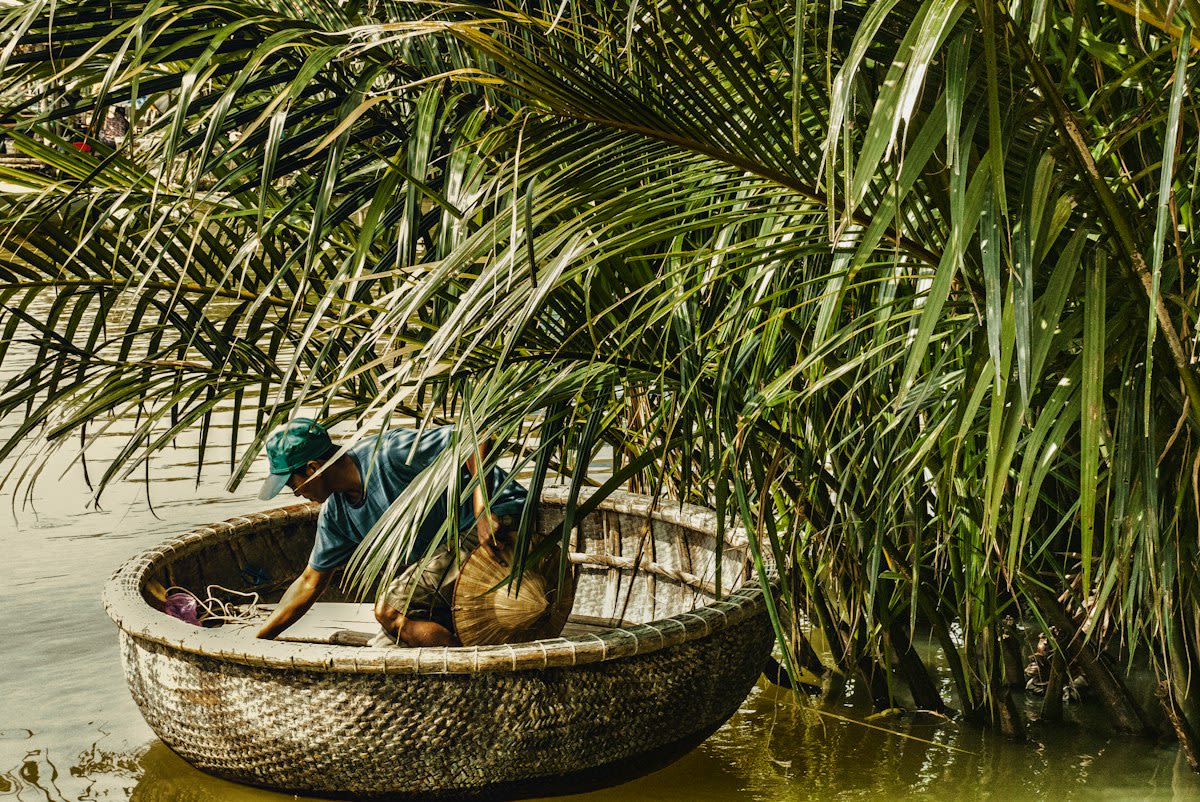
The promoted 'shrimp-rice' rotation—growing shrimp in the salty season and rice in the rainy season—is often a fantasy. Residual salinity levels frequently remain too high for rice seeds to germinate, even after heavy rains (Source: CGIAR Research Program on Fish-aqauaculture, 2019). Farmers find themselves stuck in a loop where they can no longer return to rice, even if the market for shrimp crashes. They have salted their own earth in a bid to survive the year.
The Second-Order Collapse
If X is saltwater intrusion and Y is the shift to shrimp, then Z is the collapse of local biodiversity. Intensive shrimp farming relies on chemical treatments and antibiotics to prevent disease in overcrowded ponds. These chemicals leach into the surrounding waterways, killing off native fish and crustaceans that local communities relied on for subsistence. The ecosystem is being stripped of its redundancies to serve a global supply chain.
Furthermore, the energy demand for these farms is skyrocketing. Unlike rice, which relies on the sun and rain, intensive shrimp farming requires 24/7 aeration to keep oxygen levels high. This forces farmers to invest in diesel generators or unstable rural power grids. The cost of electricity is eating into the margins, making the 'high profit' of shrimp a mirage for all but the largest industrial operators.
The global market adds another layer of friction. Vietnam's shrimp industry is heavily dependent on exports to the US and China. A trade dispute or a change in import tariffs in Washington or Beijing can trigger a price collapse in the Mekong Delta. Farmers are no longer feeding their neighbors; they are gambling on the whims of foreign trade ministers. This is the ultimate vulnerability of the 'adaptation' strategy.
Fact-Check & Accuracy Note
Settled: Saltwater intrusion is increasing due to sea-level rise and upstream damming. Debated: Whether the 'shrimp-rice' rotation is a viable long-term ecological solution or a temporary stop-gap that accelerates soil degradation. Most ground-level evidence suggests the latter.