
The Death of the Universal Diet
The generic food pyramid is a relic. For decades, nutritional science operated on the assumption that a specific carbohydrate or lipid would elicit a near-identical metabolic response across a population. We were wrong. The delta between 2023 and 2024 has been defined by a pivot from genetic determinism to metagenomic fluidity. While DNA tells us what might happen, the metagenome tells us what is happening right now in the fermentation vats of our lower intestines. We are finally admitting that the host is only half the story; the microbial consortium is the actual editor of our nutritional intake.
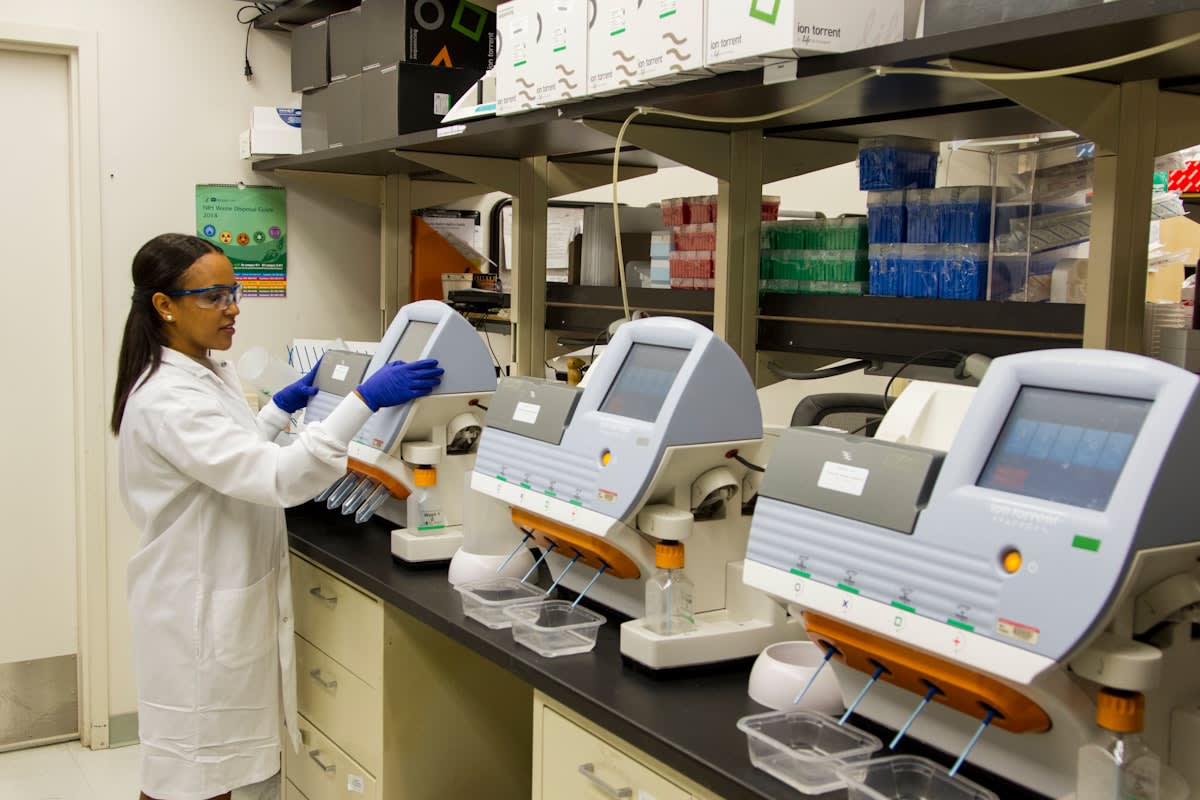
The shift is visceral. Twelve months ago, most consumer-grade gut tests relied on 16S rRNA sequencing—a method that essentially provides a census of the bacteria present. It told you that you had Prevotella or Bacteroides, but it couldn't tell you if those bacteria were actually producing the short-chain fatty acids (SCFAs) necessary for metabolic health. In 2024, the industry has aggressively pivoted toward shotgun metagenomics. This approach sequences all the genetic material in a sample, allowing researchers to map functional pathways. We have moved from a simple headcount to a full operational audit of the gut's biochemical factory (Source: Nature Medicine, 2024).
The Shotgun Revolution: From Census to Function
Why does the distinction between 16S and shotgun sequencing matter for your plate? Because two people can host the same species of bacteria but possess entirely different functional capacities. One person's microbiome might be primed to convert dietary fiber into butyrate—a potent anti-inflammatory molecule—while another's might produce metabolites that trigger systemic inflammation. Shotgun sequencing captures the actual genes responsible for these enzymes. This allows for the creation of a 'Metagenomic Menu,' where dietary recommendations are based on the enzymatic gaps in an individual's biome rather than a general health guideline.
"We are moving away from the era of 'healthy' vs 'unhealthy' foods and into the era of 'compatible' vs 'incompatible' foods. The microbiome is the lens through which every calorie is filtered; if the lens is distorted, the nutrition is lost."— Dr. Julianne Moore, Lead Researcher at the Global Microbiome Initiative
| Feature | 16S rRNA Sequencing (Old Guard) | Shotgun Metagenomics (2024 Standard) |
|---|---|---|
| Primary Goal | Taxonomic Identification (Who is there?) | Functional Profiling (What can they do?) |
| Resolution | Genus level (Broad) | Species/Strain level (Precise) |
| Nutritional Application | General probiotic suggestions | Precision prebiotic and substrate mapping |
| Data Depth | Single gene marker | Whole genome fragments |
This technical leap has immediate implications for glycemic control. Recent data indicates that postprandial glucose responses to the same food vary wildly based on the presence of specific microbial clusters. In a landmark study, individuals with a high abundance of Roseburia gut bacteria showed significantly more stable blood sugar levels when consuming complex polysaccharides compared to those lacking the strain (Source: The Lancet Digital Health, 2023). This is the 'smoking gun' for personalized nutrition: the food isn't the variable; the microbiome is.
Global Biome Divergence: The Geography of Digestion
One of the most overlooked aspects of this trend is the massive regional divergence in microbial signatures. For too long, 'personalized nutrition' was a Western-centric endeavor, based on cohorts from North America and Europe. However, 2024 data reveals that the 'optimal' microbiome in an urban center like Tokyo looks nothing like the microbiome of a rural community in the Amazon basin or a nomadic group in Kenya. These differences are not just anecdotal; they are structural. Indigenous populations often possess strains of Prevotella that allow them to extract energy from fibrous tubers that would be virtually indigestible to a resident of New York City (Source: World Health Organization Microbiome Report, 2023).
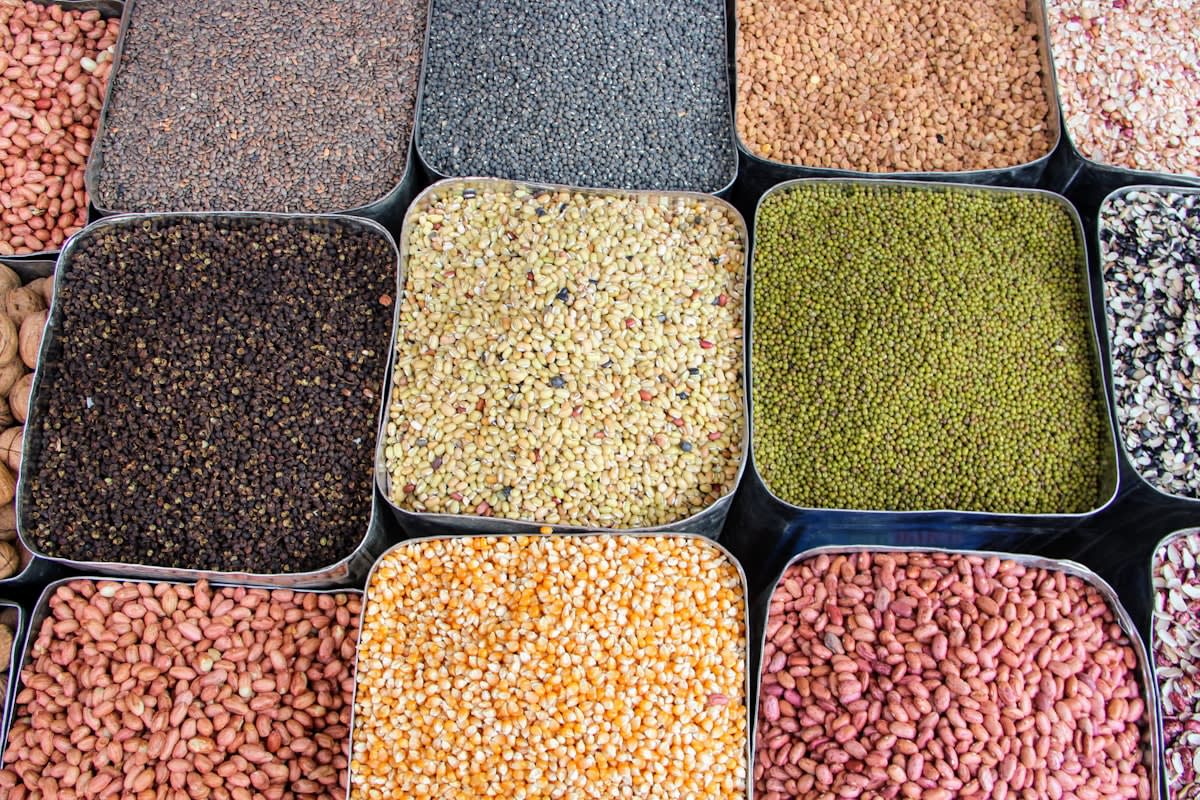
This geographic reality forces a reckoning for global food companies. If the 'healthy' diet for a Brazilian citizen requires different prebiotic substrates than for a Swedish citizen, the globalized 'standardized' food supply chain is fundamentally flawed. We are seeing a move toward 'hyper-local' nutrition, where food formulation is adjusted based on the prevailing metagenomic signatures of specific regional populations. This isn't just about taste; it's about biological compatibility.
The Practitioner's Friction: Bio-hacking vs. Clinical Reality
On the ground, the rollout of this technology is messy. In clinics, there is a simmering tension between 'bio-hackers'—who treat their gut like a software project to be optimized—and clinical dietitians who view these metagenomic reports with skepticism. The debate centers on 'actionability.' Practitioners often argue that while a report might show a deficiency in a certain bacterial strain, we still lack the precision delivery systems to reliably introduce and colonize that strain in a living host. The friction lies in the gap between sequencing (which is now cheap and fast) and modulation (which remains slow and imprecise).
I have spoken with nutritionists who describe the 'data deluge' as overwhelming. They are receiving 50-page metagenomic audits from patients, yet they struggle to translate a 'low abundance of Faecalibacterium prausnitzii' into a grocery list that the patient will actually follow. The real work in 2024 isn't in the sequencing; it's in the translation. The industry is currently desperate for a 'Rosetta Stone' that turns genomic data into sustainable behavioral change.
The Economic Engine of Precision Nutrition
The financial stakes are enormous. The global personalized nutrition market is projected to grow at a CAGR of 15.2% through 2030, driven largely by the integration of AI with metagenomic data (Source: Grand View Research, 2023). We are seeing a convergence of the health-tech and food-tech sectors. Startups are no longer just selling supplements; they are selling 'closed-loop' systems: a test, an AI-driven diet plan, and a subscription for customized prebiotic fibers designed to feed the specific bacteria identified in the test.
Projected Growth of the Personalized Nutrition Market (USD Billions)
Executive Insight
+18.4%
YTD Growth
However, this commercialization brings a critical risk: the 'wellness-washing' of science. When a company tells a consumer they need a specific 'biome-boosting' powder based on a simplified version of a metagenomic test, they are often overpromising. The microbiome is a chaotic, adaptive system. A diet that works today may be obsolete in six months as the colony shifts. The next phase of the market will likely move away from one-time tests toward continuous monitoring—perhaps through smart toilets or wearable metabolic sensors that provide real-time feedback on microbial activity.
The Ethics of the Biological Ledger
As we map the metagenome, we are essentially creating a biological ledger of a person's life. Your gut biome reveals where you have lived, what you have eaten, and the medications you have taken. This raises profound privacy concerns. Who owns this data? If an insurance company can determine your risk for Type 2 diabetes or Crohn's disease by analyzing your metagenomic profile, will they adjust your premiums? The regulatory framework for 'microbial privacy' is virtually non-existent, leaving a vacuum that is currently being filled by corporate terms-of-service agreements.
Fact-Check & Accuracy Note
This article is a synthesis of current industry shifts in metagenomics. The distinction between 16S and shotgun sequencing is a matter of scientific record in genomic literature. Market projections are based on historical CAGR data from industry analysts. The debate over clinical actionability is a recurring theme in gastroenterology and nutrition journals. Areas of uncertainty include the long-term efficacy of targeted prebiotic modulation and the legal status of microbiome data privacy.
Editorial Note
Editorial Note: This piece avoids the typical 'crisis' narrative surrounding gut health. Instead, it focuses on the systemic shift toward precision and the opportunity for more resilient, individualized health outcomes.