
Most people confuse gardening with farming. Gardening is a leisure activity; farming is a production system. When we talk about food sovereignty, we are not discussing the occasional harvest of organic cherry tomatoes. We are talking about the strategic engineering of a home ecosystem capable of providing a significant percentage of a household's nutritional needs. Why settle for a decorative plot when you can build a biological engine? The shift from consumer to producer requires a fundamental change in how you view your land—not as a space to be manicured, but as a series of energy flows to be optimized.
The Prerequisites: What You Actually Need
Before you move a single shovelful of dirt, you need the right infrastructure. You do not need an acre; you need an efficient system. Whether you are working with a rooftop in Singapore, a suburban lot in Nairobi, or a hillside in Peru, the biological requirements remain constant. The goal is to minimize external inputs—like store-bought fertilizers—and maximize internal cycling. According to the Food and Agriculture Organization (Source: FAO, 2021), urban and peri-urban agriculture can provide up to 20% of the world's food supply if scaled correctly, proving that size is secondary to design efficiency.
- A Site Map: A detailed drawing of sun patterns, wind direction, and water runoff.
- Soil Testing Kit: To determine N-P-K levels and pH without guessing.
- Composting System: A three-bin system or a vermiculture setup to turn waste into gold.
- Water Storage: Rain barrels or cisterns to decouple your farm from the municipal grid.
- Seed Bank: Heirloom, non-GMO seeds adapted to your specific micro-climate.

The Step-by-Step Implementation
- Observation and Sector Analysis: Spend one full lunar cycle observing your land. Where does the frost linger? Which corner catches the most wind? Mapping these 'sectors' prevents the common mistake of planting sun-loving peppers in a damp, shaded corner. This is the most skipped step, and it is why most beginners fail by mid-summer.
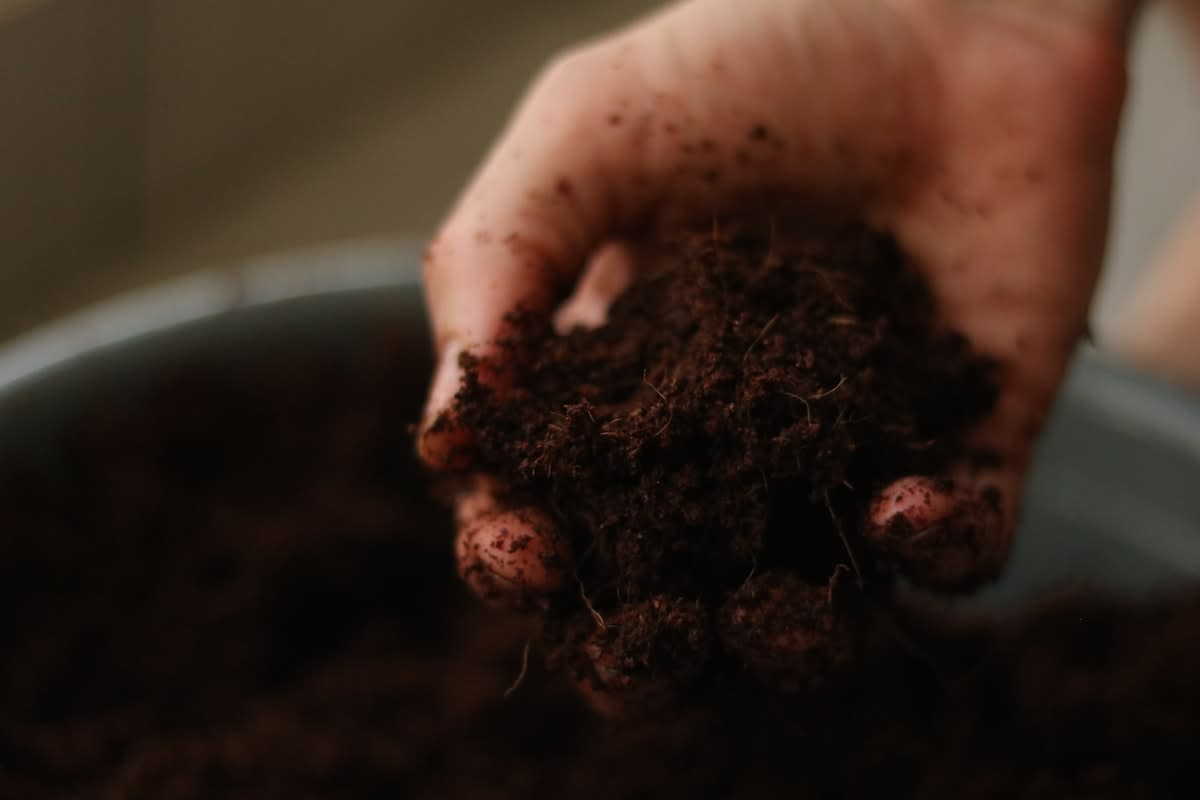
- Soil Regeneration: Stop tilling. Tilling destroys the fungal networks (mycorrhizae) that transport nutrients to your plants. Instead, use 'no-dig' methods. Layer organic matter—cardboard, compost, and mulch—directly on top of the soil. The Rodale Institute has demonstrated that regenerative organic practices can increase soil carbon sequestration and water retention significantly compared to conventional tillage (Source: Rodale Institute, 2020).
- Water Infrastructure Design: Water is the lifeblood of the system. Implement swales (shallow trenches on contour) to slow, spread, and sink rainwater into the earth. If you are in a high-density urban area, use hydroponic towers or greywater recycling systems. The objective is to ensure that not a single drop of rain leaves your property without first hydrating your soil.
- Polyculture and Guild Planting: Get rid of the monoculture rows. Instead, plant in 'guilds'—groups of plants that support each other. For example, the 'Three Sisters' (corn, beans, and squash) provide structural support, nitrogen fixation, and weed suppression respectively. This mimics natural ecosystems and reduces the need for chemical pesticides.
- Livestock Integration: Introduce 'working animals.' Chickens provide pest control and high-nitrogen manure; bees ensure pollination. In smaller spaces, consider quail or vermiculture (worm farming). These animals turn waste streams into high-value proteins and fertilizers, closing the nutrient loop.
- The Harvest and Seed Cycle: Save your seeds. The most resilient plants are those that have adapted to your specific soil and weather over several generations. By saving seeds from your strongest performers, you are essentially crowdsourcing a custom genetic strain for your micro-farm.
Once these steps are in motion, the farm begins to operate as a cohesive organism. You stop fighting nature and start directing it. The friction moves from 'how do I keep this plant alive?' to 'how do I manage this abundance?'
"The goal of a food-sovereign system is not maximum yield for a single crop, but maximum stability for the entire ecosystem. When you optimize for resilience, the yield follows naturally."— Dr. Elena Rossi, Regenerative Agriculture Specialist at the Global Soil Network
The Practitioner's Reality: The Yield vs. Effort Debate
Here is what the textbooks don't tell you: the first two years are a grind. You will deal with unexpected pests, a sudden blight, or a water system that leaks in the middle of a heatwave. In the professional community, we debate the 'caloric return on investment' (CROI). Is it actually efficient to grow your own calories, or is it better to grow high-value nutrients (like greens and berries) and buy staples (like grains) from organic cooperatives? On the ground, the reality is that a truly sovereign farm must prioritize staples—potatoes, sweet potatoes, and legumes—if the goal is survival, but prioritize diversity if the goal is health.
I have seen practitioners spend thousands on automated hydroponics only to have a power outage wipe out their entire crop in 48 hours. Contrast that with the low-tech forest garden that survives a drought because its deep-rooted perennials have accessed the water table. The debate is always between 'control' and 'collaboration.' The master practitioner chooses collaboration every time.
Common Pitfalls to Avoid
Most micro-farms fail not because of a lack of effort, but because of a lack of strategy. The most common error is 'over-planting' in year one. Beginners try to grow everything at once and end up overwhelmed by weeds and pests. Start small. Master one guild, then expand. Another critical error is ignoring the 'edge effect.' In ecology, the edge where two different environments meet (like a forest and a field) is the most productive area. If your farm is just a series of rectangles, you are leaving yield on the table.
- Over-tilling: This kills the soil biology and leads to compaction.
- Ignoring Water Drainage: Standing water will rot your roots and kill your perennials.
- Buying Hybrid Seeds: These often do not produce viable seeds for next year, forcing you back into the commercial cycle.
- Neglecting the Compost Pile: If you aren't feeding your soil, your soil can't feed your plants.
Finally, avoid the trap of 'perfectionism.' A food-sovereign farm is a living system, not a museum exhibit. It will be messy. There will be bugs. The goal is balance, not sterility. When you stop trying to kill every pest and start planting flowers to attract the predators that eat those pests, you have finally moved from gardening to farming.
Fact-Check & Accuracy Note
The claims regarding urban agriculture's contribution to food supply are based on FAO reports (2021), and soil carbon sequestration data is attributed to the Rodale Institute (2020). While the 'Three Sisters' method is a historically documented indigenous practice, its specific yield increase varies by region and soil type, remaining a point of active study in agroecology.