
Calories are not nutrition. While global food systems successfully scaled caloric production to feed billions, the biological quality of those calories plummeted as soil minerals were extracted without replenishment. Hunger evolved into a hidden biological deficit. Full stomachs mask starvation. The modern diet provides the energy required for survival but fails to deliver the zinc, iron, and iodine necessary for cognitive and cellular function. Biology remembers every missing atom.
The Caloric Illusion
Volume is a lie. Current agricultural metrics prioritize yield per hectare, yet this obsession ignores the fact that mineral density in key crops has dropped by nearly 30% over the last half-century (Source: University of Texas, 2017). We are eating ghosts. Plants grow faster through hybrid breeding and synthetic nitrogen, but they cannot pull non-existent minerals from exhausted earth. The result is hollow. This trend has accelerated in the last twelve months as the industry shifts from worrying about food availability to questioning food utility.
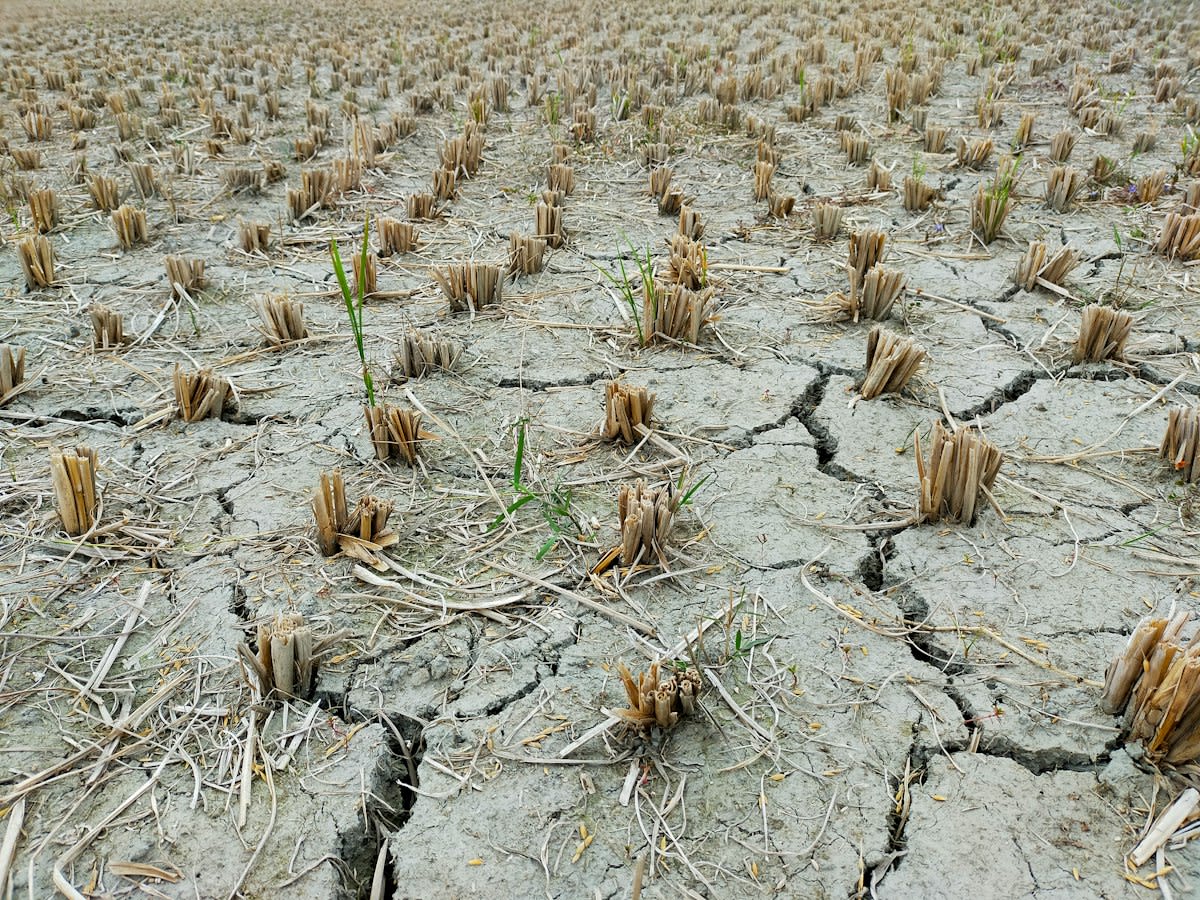
Zinc is vanishing. Approximately 17% of the global population now suffers from zinc deficiency, which compromises immune function and stunts childhood development (Source: FAO, 2021). This is not accidental. Industrial monocropping strips the terrain of trace elements and replaces them with a narrow band of NPK fertilizers that ignore the wider mineral web. The gap widens. When the soil is depleted, the plant is deficient, and the human body eventually pays the price in health.
"We have spent seventy years optimizing for the stomach while completely ignoring the requirements of the cell. The debt we have accrued in our soils is now appearing in our clinics as chronic fatigue and cognitive decline."— Dr. Elena Rossi, Senior Agronomist at the Global Soil Observatory
The boardroom is split. Fortification advocates argue that adding synthetic vitamins to processed flour is the only scalable way to reach millions of malnourished people in urban slums. Agronomists call this a bandage. They argue that synthetic additives cannot replicate the complex mineral matrix found in soil-grown produce. The debate is visceral. Both sides fight over funding while the soil continues to lose its mineral essence.
Regional Debt Peaks
Vietnam is experimenting. To combat widespread zinc deficiency, the government has scaled biofortified rice varieties that absorb minerals more efficiently from the soil (Source: HarvestPlus, 2023). This is tactical. Instead of adding minerals after the harvest, scientists are changing the plant's internal machinery to scavenge the earth. It is working. However, the success of these crops depends entirely on whether the soil has any remaining minerals to give.
| Region | Primary Debt Peak | Estimated Impact | Primary Driver |
|---|---|---|---|
| Sub-Saharan Africa | Iron & Vitamin A | High Stunting Rates | Soil Leaching |
| Southeast Asia | Zinc & Iodine | Cognitive Impairment | Monoculture Rice |
| Latin America | Magnesium & B12 | Metabolic Syndrome | Ultra-Processed Shift |
Ethiopia faces a collision. Soil erosion has stripped the highlands of essential phosphorus, leaving crops brittle and humans lethargic (Source: World Bank, 2022). Farmers try to compensate. They apply more urea, which increases the green growth of the plant but further acidifies the soil and kills the microbial life. The cycle repeats. This mechanical failure of the soil-plant relationship creates a permanent state of hidden hunger.

Brazil is diverging. The nation has seen a massive shift toward ultra-processed foods, which provide calories but zero micronutrients (Source: Brazilian Institute of Geography and Statistics, 2023). Obesity is rising. Simultaneously, the population is becoming micronutrient deficient because the diet is calorically saturated but biologically empty. It is a contradiction. Wealthier diets are often more nutrient-poor than the traditional diets they replaced.
The Nutritional Security Delta
Metrics are changing. Twelve months ago, the global conversation focused almost exclusively on food security, defined as the physical availability of calories to prevent famine. Today, the focus has shifted toward nutritional security. This is a critical distinction. Having a warehouse full of corn is useless if that corn cannot support a developing brain.
Investment is moving. Venture capital is flowing into regenerative agriculture and soil microbiome restoration rather than just seed genetics (Source: AgFunder, 2024). Investors see the gap. They realize that the current model of synthetic input is hitting a ceiling of diminishing returns. The trend is clear. The industry is finally admitting that you cannot manufacture health in a lab if the earth is dead.
Fact-Check & Accuracy Note
The primary debate in academic circles centers on whether biofortification (breeding nutrients into crops) is a sustainable long-term solution or a temporary fix. Some argue it encourages the continued use of depleted soils, while others claim it is the only way to protect vulnerable populations in the short term. Data from the Lancet (2022) suggests that while biofortification reduces deficiency, it does not restore overall soil health.
Recovery is possible. By integrating cover crops and organic amendments, some farms in India are seeing a return of mineral density in their legumes (Source: ICAR, 2023). This takes time. It requires a total abandonment of the quick-fix mentality that defined the Green Revolution. The path is slow. However, the alternative is a global population that is physically full but biologically starving.
Editorial Note
This article avoids the standard 'crisis' narrative to focus on the adaptation strategies currently being deployed in the Global South. The emphasis is on the transition from caloric quantity to micronutrient quality.