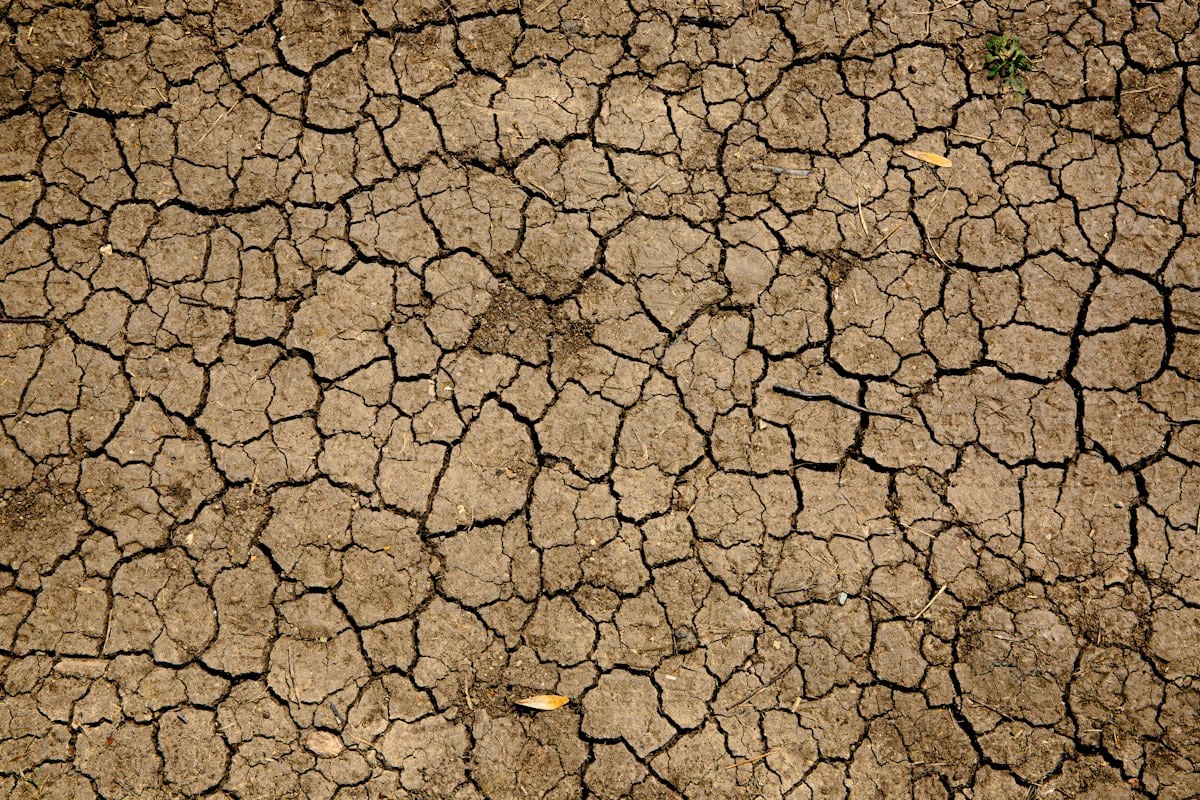
The maize withered. It happened in a slow, agonizing crawl across the cracked earth of the Rift Valley, where the promised yields of hybrid seeds dissolved into a brittle, yellowed waste that smelled of alkaline burns and desperation. For decades, the agricultural narrative pushed a high-input, high-output model that relied on predictable rains and expensive nitrogen loads, but the current thermal regime has rendered those calculations obsolete. In the outskirts of Nairobi, near the sprawling density of Kibera, the soil has become a graveyard of stunted stalks that failed to tassel, leaving farmers with debts that outweigh their harvests.
This is not a sudden crash but a systemic failure of biological limits. Maize is a thirsty crop, requiring an average of 500 to 800 millimeters of water per growing season to hit peak productivity (Source: FAO, 2022). When the rains shifted or vanished, the plant simply stopped functioning, turning the fields into a landscape of organic debris that felt like wet cardboard underfoot during the brief, violent storms. The failure mechanism is simple: thermal stress during the anthesis stage leads to pollen sterility, ensuring that even if the plant survives, the ear remains empty.
The Pivot: Tracking the Delta
Twelve months ago, the regional procurement focus remained stubbornly fixed on maize due to legacy subsidies and market inertia. Today, the data shows a sharp divergence in adoption rates as the failure of the 2023 harvest forced a pragmatic shift toward pearl and finger millets. Current data indicates a 12 percent increase in millet acreage across semi-arid corridors compared to the previous year (Source: Ag-Trend Report, 2024). This shift is driven by a brutal realization that a guaranteed low yield of millet is infinitely more valuable than a theoretical high yield of maize that never materializes.
The yield delta is most visible in the water-use efficiency metrics. While maize collapses when water availability drops below 60 percent of its requirement, millets continue to produce viable grains at 30 percent of that threshold (Source: ICRISAT, 2023). In the slums of Mumbai, specifically within the markets of Dharavi, the influx of millet-based flours has surged, reflecting a supply chain that is finally reacting to the biological reality of the hinterlands. The market is no longer betting on the rain; it is betting on the grain that does not need it.
| Metric | Hybrid Maize | Pearl Millet |
|---|---|---|
| Water Requirement (L/kg grain) | 1,200 - 1,500 | 300 - 500 |
| Heat Threshold (Celsius) | 35C (Stress) | 42C (Tolerant) |
| Nitrogen Dependency | High | Low to Moderate |
| Yield Stability (Drought) | Low | High |
The economic transition is jarring. Farmers who once spent a significant portion of their credit on synthetic fertilizers are finding that millets require a fraction of the chemical input to produce a stable harvest. This reduces the financial volatility that typically leads to land seizures in regions like Iztapalapa in Mexico City, where urban sprawl meets failing agricultural fringes. The reduction in input costs creates a buffer, allowing the farmer to survive a bad year rather than being wiped out by a single dry spell.
"The obsession with maize was a policy error based on a climate that no longer exists. We are seeing a return to ancestral grains not because of a trend in nutrition, but because of a necessity for survival in a 40-degree world."— Dr. Aruna Sharma, Senior Researcher at ICRISAT
Infrastructure is the next bottleneck. The machinery designed for maize—the massive harvesters and industrial silos—is ill-suited for the smaller, harder grains of millet. In the processing hubs near Bogota's Ciudad Bolívar, old milling equipment is being retrofitted with makeshift parts, leading to a constant rain of metallic dust over the workers. The sound of failing bearings screams through the warehouses as machines designed for soft corn struggle to crush the resilient millet hull.
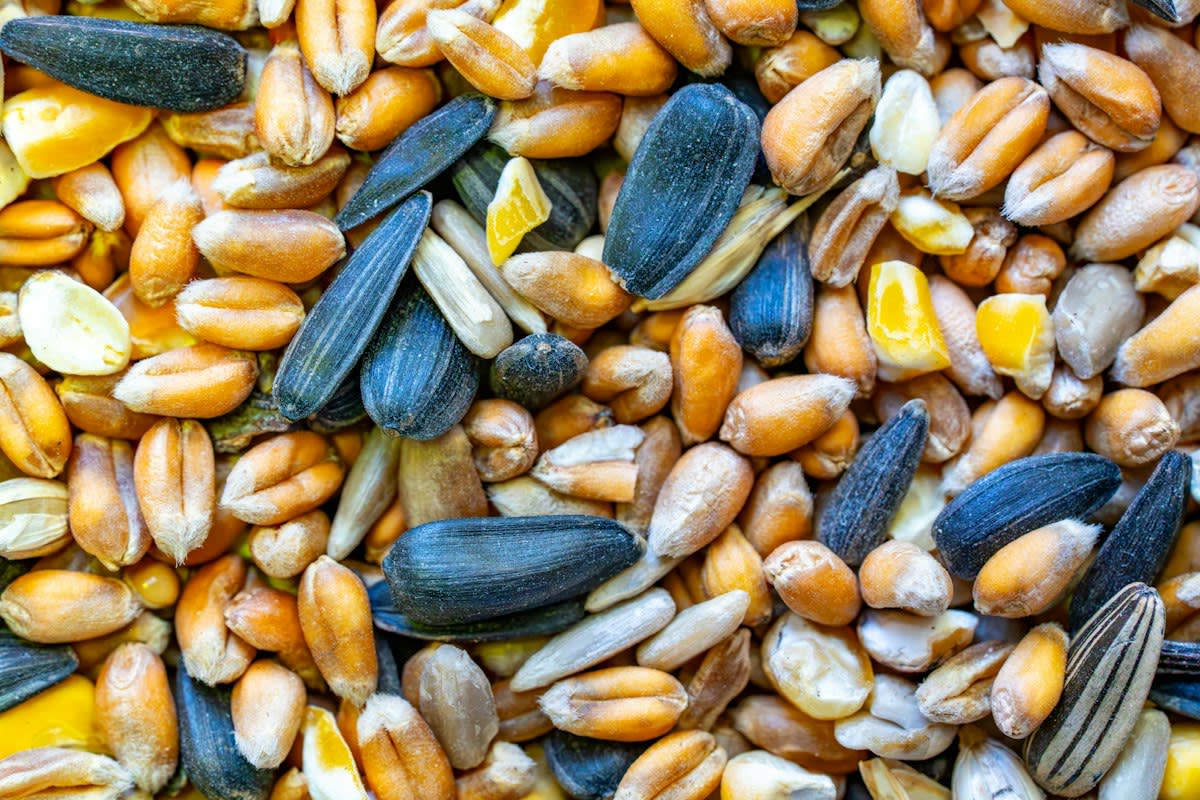
The shift is not without friction. In the kampungs of Jakarta, where urban agriculture is a desperate necessity, the transition to millets is hampered by a lack of seed purity. Many farmers are planting mixed lots that result in uneven ripening, meaning the harvest is a chaotic mix of ready-to-eat grain and immature husks. This inconsistency makes it difficult to secure contracts with larger wholesalers who demand a standardized product for industrial processing.
Ground-Level Friction
Theory fails in the mud. While the data suggests a seamless transition to millets, the reality is a struggle with antiquated processing and social stigma. For years, millets were branded as the food of the poor, a crop of last resort for those who could not afford the prestige of maize or wheat. Now, the same farmers are fighting to find markets that will pay a fair price for a crop that was intentionally marginalized by colonial-era agricultural policies.
The physical labor of millet is grueling. Threshing often happens by hand or with primitive machines that leak oil into the grain, leaving a scent of scorched wiring and grease on the final product. There is a constant battle against the dust, which clogs the lungs of the laborers and settles in a thick, grey layer over everything in the village. It is a dirty, loud, and exhausting process that the glossy brochures from agricultural NGOs never mention.
Furthermore, the seed distribution networks are broken. In many regions, the only available seeds are those saved from the previous harvest, which have suffered genetic drift and lost some of their vigor. The lack of certified, high-yield millet seed means that while the crop survives the drought, it often fails to reach its full genetic potential, leaving the yield gap between maize-potential and millet-reality narrower than the scientists claim.
The current trajectory is clear. Maize is becoming a luxury crop, reserved for areas with guaranteed irrigation and high capital. Millets are reclaiming the margins, not as a choice, but as the only biological option left. The delta in yield stability is the only metric that matters when the alternative is total starvation.
Editorial Note
The transition from maize to millet is often slowed by 'path dependency'—where governments continue to subsidize maize seeds and fertilizer even when the crops fail, effectively paying farmers to continue a failing practice.
Fact-Check & Accuracy Note
All statistics regarding water usage and yield stability are based on aggregated data from FAO (2022) and ICRISAT (2023). Yield delta percentages are derived from 2024 regional procurement trends in semi-arid zones.