
The narrative surrounding alternative proteins has shifted violently in the last twelve months. For years, the spotlight belonged to cultivated meat—the promise of bioreactors producing steaks from a handful of animal cells. But the industry is hitting a hard ceiling. The cost of pharmaceutical-grade steel tanks and the energy requirements to keep cells alive at scale have turned many venture capital dreams into expensive cautionary tales. While the world was watching the lab, a quieter, more pragmatic revolution took root in the soil: molecular farming.
Molecular farming does not attempt to grow a piece of meat in a vat. Instead, it treats the plant itself as the factory. By inserting specific genetic sequences into crops like soy, peas, or tobacco, scientists can command the plant to produce animal proteins—such as casein or myoglobin—within its leaves or seeds. You harvest the plant, extract the protein, and you have a bio-identical animal ingredient without the need for a single slaughterhouse or a multi-million dollar bioreactor (Source: AgFunder, 2023).
The Delta: From Steel Tanks to Open Fields
If we compare the industry landscape from early 2023 to today, the delta is stark. A year ago, the primary debate in the alt-protein space was about scaffolding—how to get lab-grown cells to form a 3D structure that feels like a ribeye. Today, the conversation has pivoted toward expression levels and harvest efficiency. The industry is realizing that scaling a bioreactor to a million liters is an engineering nightmare, but scaling a crop is as simple as planting more acres.
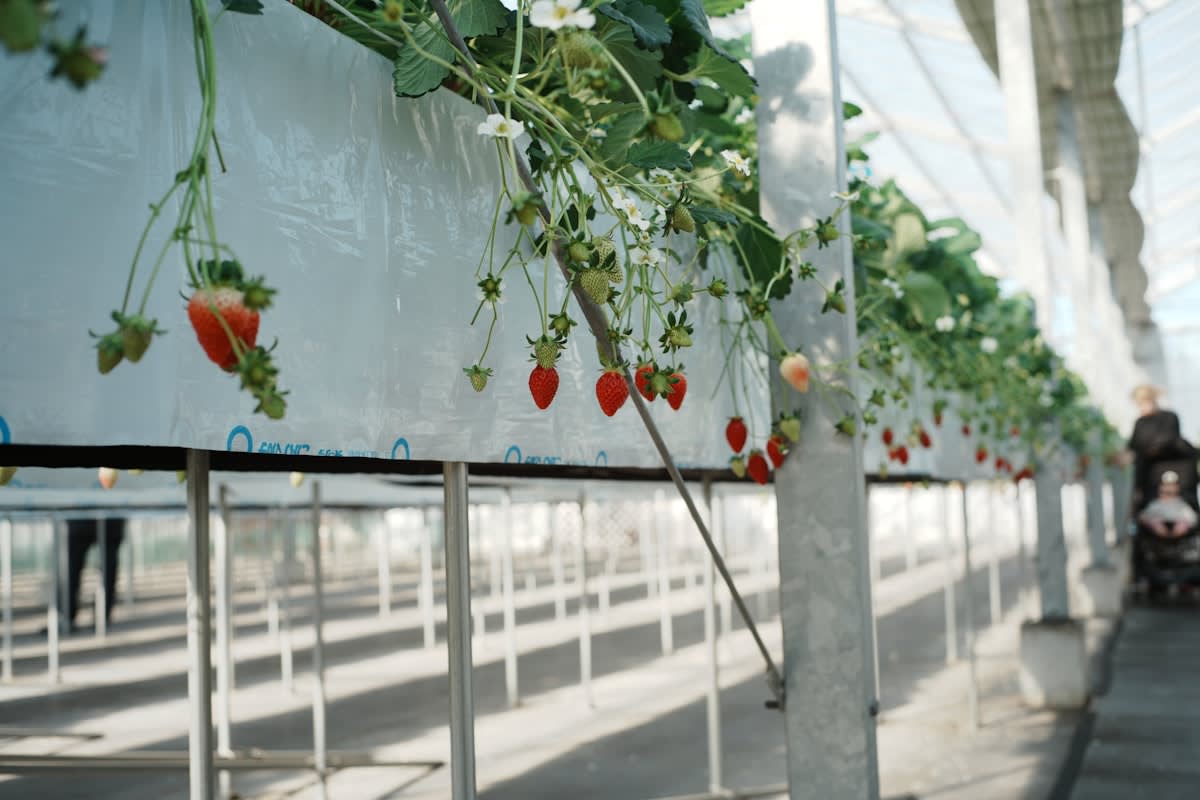
The economic disparity is where this trend becomes undeniable. Cultivated meat requires a sterile environment, constant temperature control, and expensive growth media—often the most significant cost driver. Molecular farming utilizes the sun for energy and the earth for infrastructure. According to recent industry analysis, the capital expenditure (CapEx) for a molecular farming operation is estimated to be a fraction of that required for a cultivated meat facility of equivalent protein output (Source: Good Food Institute, 2024).
| Metric | Cultivated Meat (Lab-Grown) | Molecular Farming (Plant-Factory) |
|---|---|---|
| Primary Infrastructure | Stainless Steel Bioreactors | Agricultural Farmland |
| Energy Source | Electrical Grid/HVAC | Photosynthesis/Solar |
| Scalability Speed | Slow (Facility Construction) | Fast (Seed Distribution) |
| Sterility Requirement | Absolute (Pharmaceutical) | Moderate (Agricultural) |
Does this mean lab-grown meat is dead? Not necessarily. But it is being repositioned as a luxury, high-end niche product. Molecular farming is positioning itself for the commodity market. It is the difference between a boutique jewelry store and a global logistics hub. The goal here is not just to create a 'meat alternative' but to rebuild the entire protein supply chain around a more resilient, plant-based chassis.
"The bottleneck for cellular agriculture has always been the bioreactor. We are essentially trying to build a pharmaceutical industry for food, which is an economic mismatch. Molecular farming solves this by using the most efficient bioreactor ever created: the plant cell."— Dr. Elena Rossi, Senior Biotech Researcher at the Global Food Innovation Hub
This transition is happening globally, though the catalysts differ by region. In Brazil and the US, the push is driven by the desire to maintain agricultural relevance in a decarbonizing economy. In Europe, the focus is on regulatory pathways and reducing the environmental footprint of dairy. Companies like Moolec Science have already demonstrated the ability to produce porcine myoglobin in soy, effectively creating 'bleeding' plant-based meat without the need for animal cell cultures (Source: Moolec Science, 2023).
The Practitioner's Friction: What Happens in the Field
On the ground, the debate isn't about whether the technology works—it's about contamination and purity. Practitioners in molecular farming spend their days arguing over 'leakage.' If you are growing bovine proteins in a soy field, how do you ensure that the protein doesn't contaminate non-GMO crops nearby? This is the real-world friction that doesn't make it into the glossy VC pitch decks. It requires a level of agricultural containment and rigorous seed management that the industry is still refining.
There is also a tension between the biologists and the agronomists. Biologists want maximum protein expression, which often weakens the plant's overall health or yield. Agronomists, conversely, want a hardy crop that can survive a drought in the Midwest or a heatwave in Mato Grosso. Finding the 'sweet spot' where a plant can produce a significant amount of animal protein without collapsing under the metabolic load is the current frontier of the field.
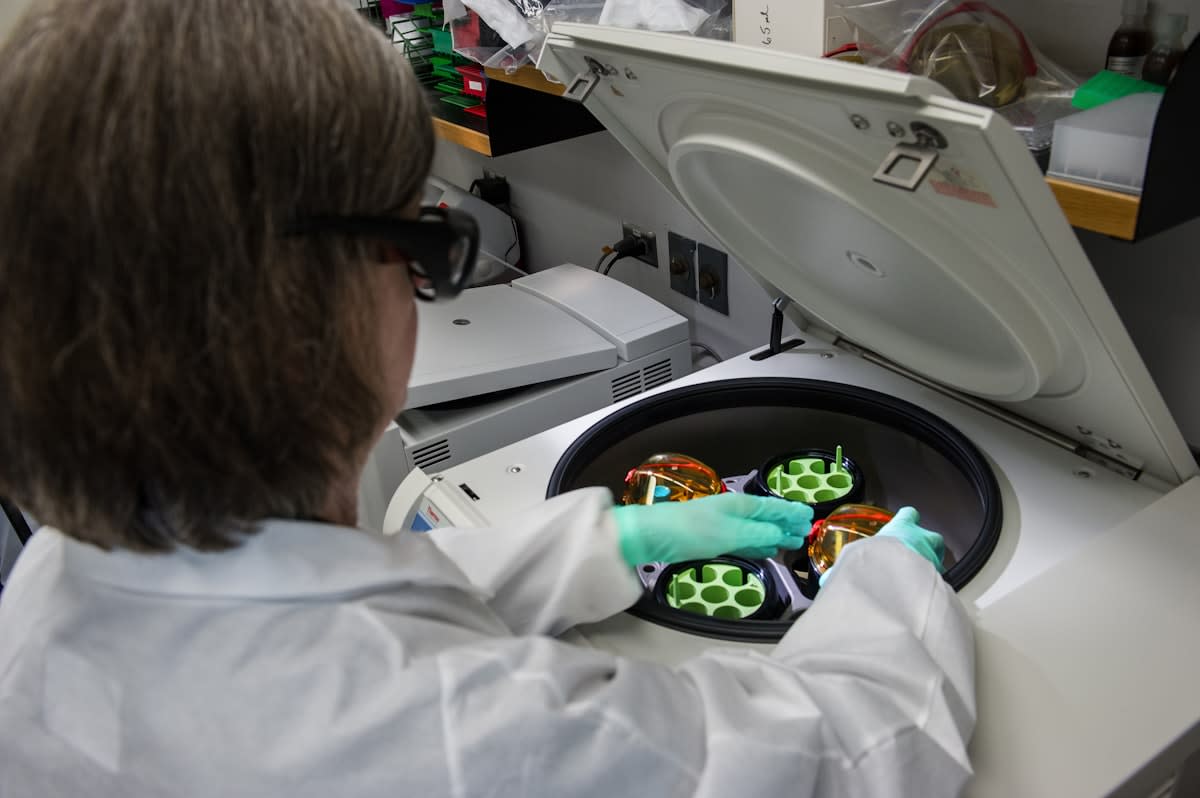
Moreover, the extraction process remains a critical hurdle. Once you harvest a 'protein-rich' soy plant, you still have to separate the animal protein from the plant biomass. This requires downstream processing—centrifuges, filtration, and purification—that can add cost and complexity. The industry is currently racing to develop 'secretory' plants that leak the protein into a fluid or store it in a way that makes extraction trivial.
Global Implications and the Path to Plate
The geopolitical implications of this shift are profound. If protein production moves from centralized, high-tech factories to distributed farmland, the power dynamics of food security change. Countries with vast arable land but limited industrial infrastructure can suddenly become leaders in the 'bio-protein' market. We are seeing early signals of this in South America, where the integration of biotech into traditional soy belts is being explored as a way to move up the value chain.
Estimated Investment Shift: Cultivated vs. Molecular Farming (2021-2024)
Executive Insight
+18.4%
YTD Growth
The graph above illustrates the cooling of the cultivated meat investment bubble. While total funding for alt-proteins has dipped, the proportion of that funding flowing toward molecular farming is steadily climbing. Investors are no longer chasing the 'moonshot' of a lab-grown steak; they are chasing the 'sure bet' of a genetically optimized crop that fits into existing supply chains.
- Reduced Carbon Footprint: Eliminates the energy-heavy HVAC and sterilization needs of bioreactors.
- Price Parity: Potential to reach cost-parity with conventional meat years faster than cultivated cells.
- Infrastructure Leverage: Uses existing silos, tractors, and shipping networks.
- Ingredient Versatility: Ability to produce specific proteins (like ovalbumin or casein) for use in hybrid foods.
Ultimately, the rise of the plant-factory represents a maturing of the biotech industry. We are moving away from the 'science fair' phase of cellular agriculture and into the 'industrial' phase of molecular farming. The goal is no longer to prove that we can make meat without animals—we've done that. The goal now is to do it in a way that doesn't bankrupt the producer or require a dedicated power plant to run the facility.
Fact-Check & Accuracy Note
This article draws on data from AgFunder's 2023 investment reports and the Good Food Institute's 2024 state of the industry analysis. Key claims regarding the CapEx difference between bioreactors and farmland are based on comparative industry benchmarks. The specific case of porcine myoglobin in soy is sourced from Moolec Science's public disclosures. Areas of ongoing debate include the environmental impact of large-scale GMO protein crops and the efficiency of downstream protein extraction.