The Death of the Sterile Vat
For years, the narrative of alternative proteins centered on the bioreactor. We imagined sterile, stainless-steel facilities churning out cultivated meat in a process that looked more like pharmaceutical manufacturing than agriculture. But the wind is shifting. A new paradigm called molecular farming is emerging, suggesting that the most efficient way to grow animal proteins isn't in a lab, but inside the cells of plants and microorganisms. Why build a billion-dollar factory when you can program a crop to do the work for you?
The urgency of this shift is now appearing in official government corridors. A recent report from the UK's Food Standards Agency (FSA) and Food Standards Scotland (FSS) identifies molecular farming and gas fermentation as the primary technologies poised to transform the food system over the next five to ten years. This isn't just academic speculation. The report explicitly places these innovations alongside cultivated foods and edible insects as critical tools for bolstering food production and systemic resilience. We are seeing a transition from the 'lab-grown' era to the 'bio-manufactured' era.
This movement represents a fundamental delta in how we approach protein. Twelve months ago, the conversation was dominated by the struggle to scale cell-cultivated meat—fighting the astronomical costs of growth media and the limitations of bioreactor volume. Now, the focus has pivoted toward biomass fermentation and molecular farming. By utilizing micro-organisms like fungus, bacteria, and microalgae, producers can create protein-rich biomass that mimics the functionality of animal products without the overhead of a sterile laboratory environment.
Regulatory Signal
The UK government's Top Emerging UK Food Innovations report signals a strategic pivot toward technologies that can be integrated into existing agricultural frameworks rather than replacing them with entirely synthetic environments.
Industrializing the Bio-Process
The transition from theory to table requires massive infrastructure. Germany is currently leading the charge in the engineering of this new food economy. GEA has recently consolidated its Application and Technology Centre (ATC) for New Food and Biotechnology in Sarstedt, Lower Saxony. With a specific investment of EUR 4 million to convert and equip the site, GEA is building the bridge between pilot-scale experiments and industrial-scale production. This center is designed specifically to help companies develop and test processes for precision fermentation and cell cultivation.
What does a EUR 4 million investment in a single technology center tell us? It tells us that the industry has moved past the 'proof of concept' phase. GEA's focus on Sarstedt leverages decades of expertise in liquid dairy and beverages, applying that mechanical knowledge to the world of biotechnology. This is no longer about a few scientists in white coats; it is about the engineering of fluid dynamics, temperature control, and biomass harvesting at a scale that can actually feed a population.
"The relocation and expansion of the ATC in Sarstedt demonstrate that the infrastructure for precision fermentation is moving from experimental labs into dedicated industrial hubs."— Industry Analysis of GEA Strategic Expansion
We can see the legacy of this technology in products like Quorn, which has utilized fungal biomass fermentation in the UK for decades. However, the next generation of this technology is far more ambitious. We are moving toward the creation of specific animal proteins—like casein or collagen—produced by plants or yeast. This bypasses the need for the animal entirely while maintaining the exact molecular structure of the protein, solving the texture and taste issues that have plagued early plant-based alternatives.
But the 'factory' isn't just the fermentation tank; it's the field itself. To support this high-precision agriculture, the physical tools of farming are undergoing their own industrialization.
The Hardware of the New Agriculture
If the farm is becoming a factory, it needs factory-grade materials. This is reflected in the explosive growth of the global agriculture films market. This sector is projected to escalate from USD 13.96 billion today to a staggering USD 29.30 billion by 2035. With a CAGR of 7.69%, the demand for these materials is not just about protecting crops from frost; it's about creating controlled, optimized environments where molecular farming can thrive.
| Metric | Current Value | Projected Value (2035) | Growth Rate (CAGR) |
|---|---|---|---|
| Global Agriculture Films Market | USD 13.96 Billion | USD 29.30 Billion | 7.69% |
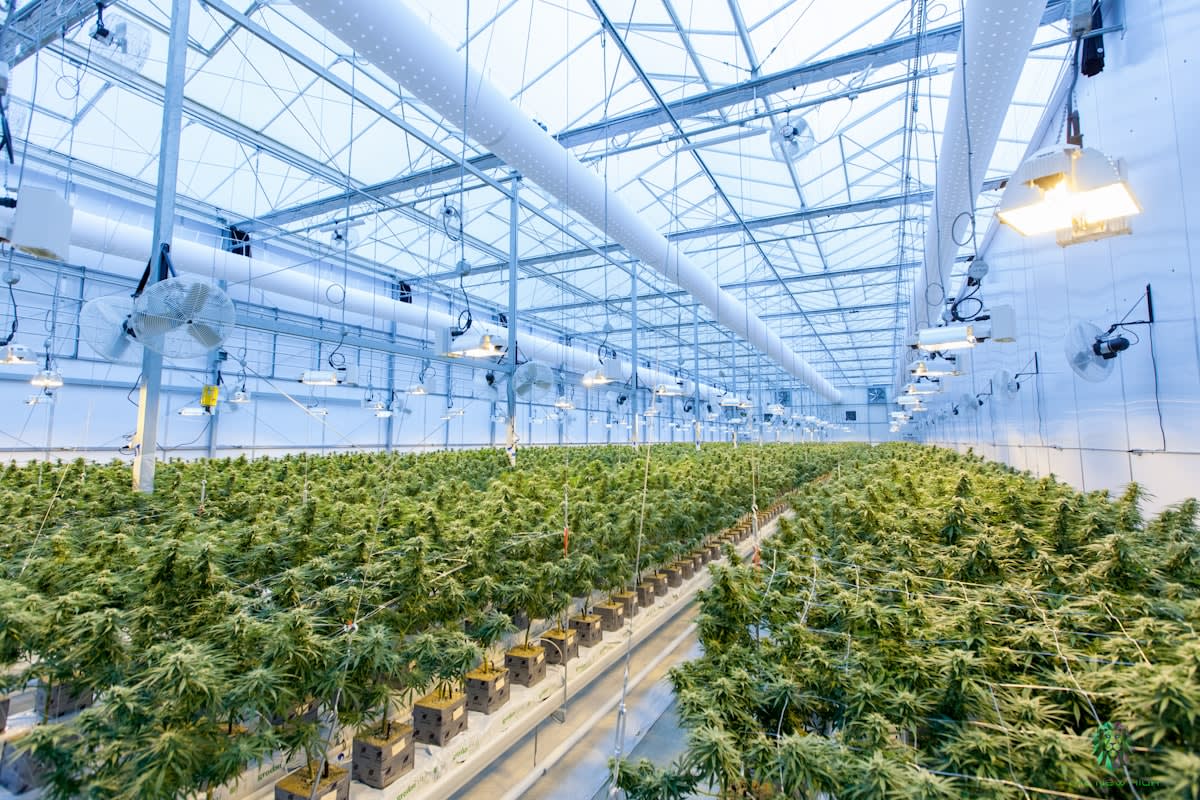
The most significant growth is occurring in Asia, where population pressure and a drive for organic farming are fueling the demand for sustainable, biodegradable films. These materials allow for the precision control of soil temperature, moisture, and nutrient delivery—essentially turning a field into a giant, open-air bioreactor. When you combine this environmental control with molecularly engineered crops, the distinction between a greenhouse and a factory disappears.

This industrialization is a response to a critical flaw in the first wave of plant-based meat: the nutrition gap. A recent Dutch dietary modeling study published in the journal Nutrients revealed that shifting to plant-based protein diets can significantly alter nutrient adequacy. The researchers found that replacing animal-based foods with simple plant substitutes often leads to a deficit in essential amino acids, vitamins, and minerals.
Solving the Nutrient Equation
The Dutch study highlights a particularly worrying trend among children and older adults, who have higher nutritional needs and are most susceptible to the shortcomings of poorly planned plant-forward diets. This is where molecular farming provides the winning edge. Unlike traditional plant-based burgers that rely on soy or pea isolates, molecular farming can produce bio-identical animal proteins and essential nutrients within the plant itself.
Can we really rely on 'smart swaps' and fortification? The Dutch researchers suggest that tailored guidance and fortification are essential to keep plant-based diets nutritionally complete. Molecular farming automates this fortification. Instead of adding vitamins to a processed patty in a factory, the protein is grown with the correct amino acid profile already locked in. It is the difference between painting a house and building it with the right materials from the start.
- Molecular Farming: Using plants to produce animal proteins, reducing reliance on sterile labs.
- Gas Fermentation: Utilizing micro-organisms to convert gases into protein-rich biomass.
- Precision Fermentation: Engineering yeast or bacteria to create specific, high-value ingredients.
- Biomass Fermentation: Growing entire organisms (like fungi) for protein, as seen with Quorn.
The convergence of these trends—the UK's regulatory openness, Germany's industrial scaling, Asia's infrastructure growth, and the Netherlands' nutritional warnings—points to a single conclusion. The 'lab-grown' meat dream was too expensive and too sterile. The future is a hybrid: a world where the farm is the factory, and the crop is the bioreactor.
We are moving toward a resilient food system that doesn't fight nature but reprograms it. By shifting the production of proteins from the slaughterhouse and the lab to the molecular level of the field, the global food supply becomes more adaptable. The transition is already underway; the only question is how quickly the rest of the global supply chain can catch up to the biology.