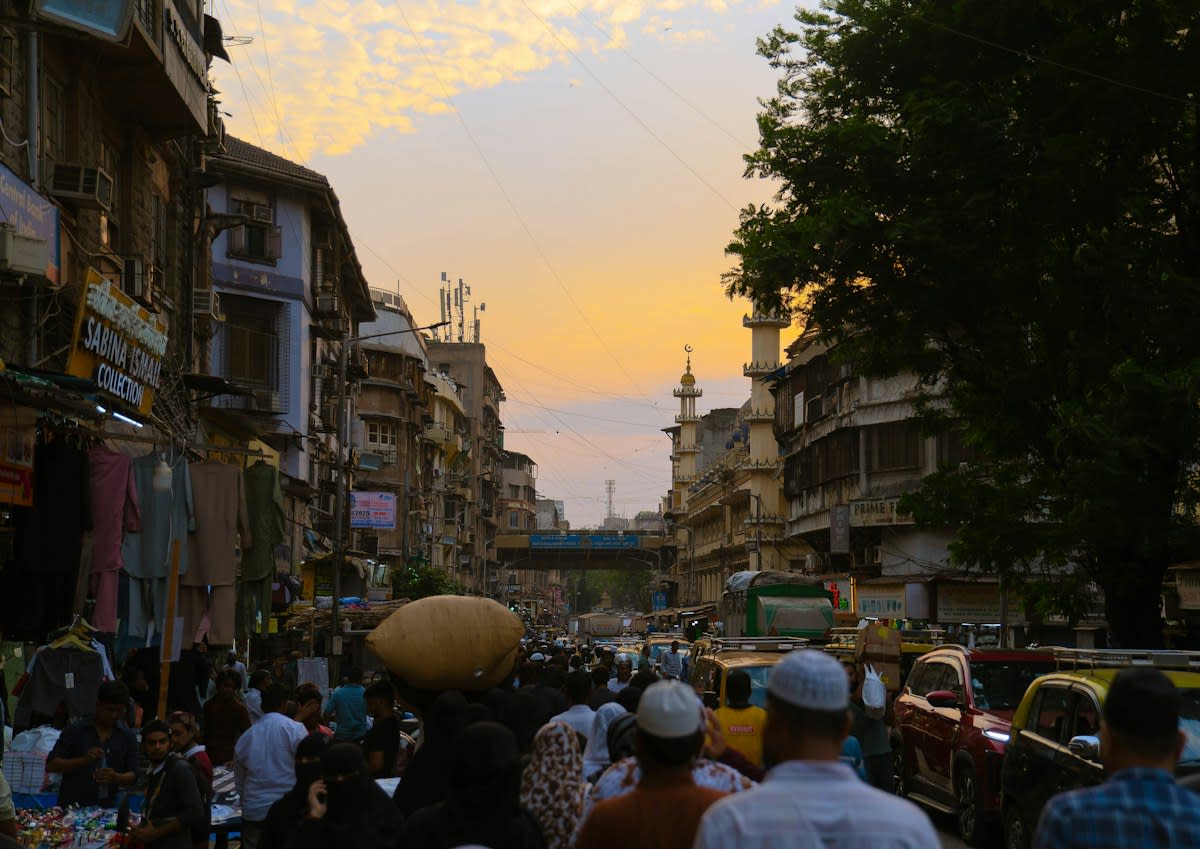
The smell of old grease clings to the concrete of Dharavi. It mixes with the sharp tang of ozone and the heavy scent of burnt rubber from a thousand idling rickshaws. You can feel the grit of rust on the handles of the crates. This is the staging ground for a logistics operation that makes modern algorithms look like child's play. For decades, the Dabbawalas moved home-cooked meals with a precision that defied their lack of technology. But the mission shifted. They stopped just delivering and started recovering.
The system broke. It was a cascading collapse of surplus and scarcity that left the streets choked with the smell of rotting coriander. Twelve months ago, the Dabbawalas operated on a linear loop: home to office, office to home. Now, they have introduced a secondary, parasitic loop that intercepts surplus food before it hits the landfill. They are no longer just couriers; they are the city's primary waste-sensor network. This pivot represents a fundamental shift in their operational DNA, moving from a service of convenience to a service of survival.
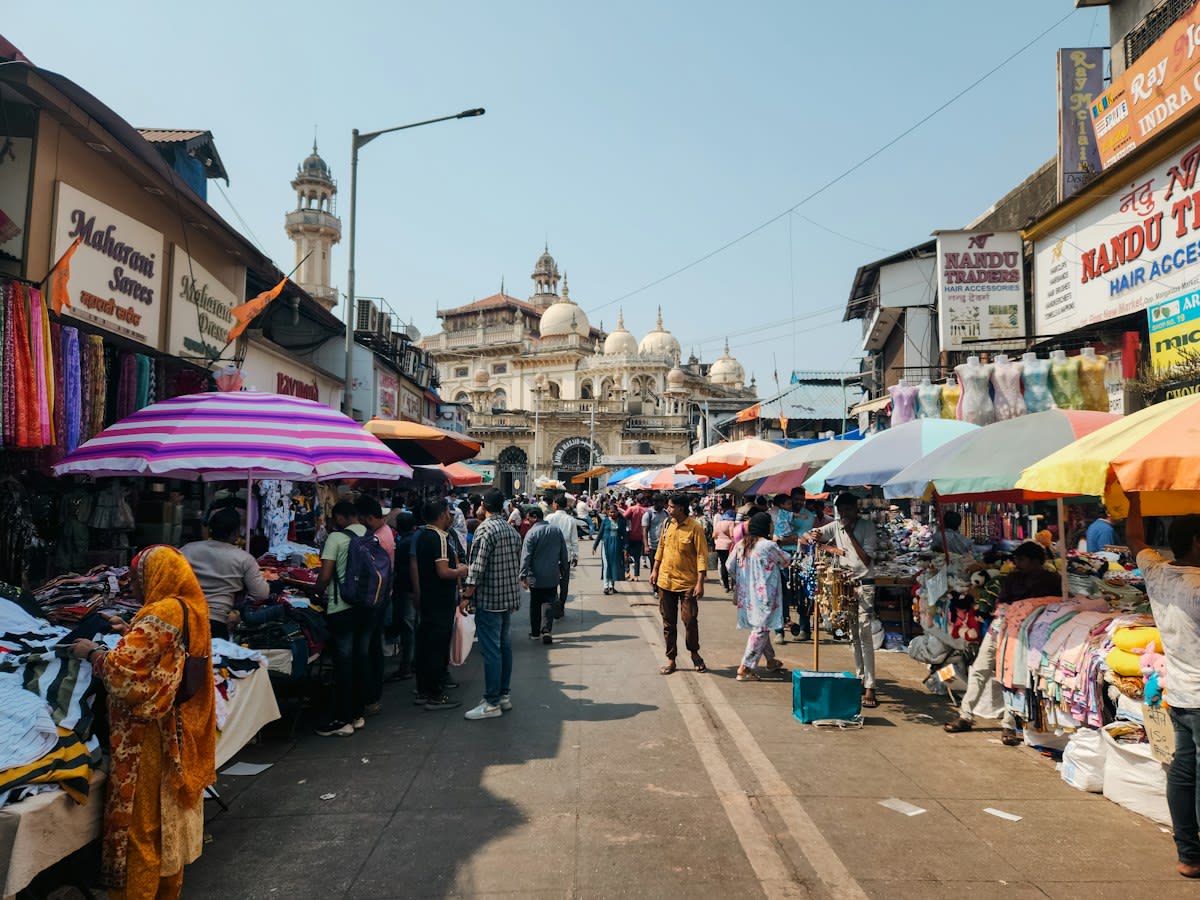
The secondary effect is the real intel. By tracking where the most surplus food originates, the Dabbawalas are inadvertently mapping the waste-topology of Mumbai. They see the corporate hubs where luxury catering goes to waste and the slum pockets where calories are a luxury. This isn't about charity; it's about data. They have identified high-waste zones that the municipal government completely ignores. The delta between their old routing and their new recovery paths reveals exactly where the city's food chain is leaking.
"The Dabbawala network is the only entity that sees the city's hunger and its waste in the same hour. They are the bridge between the excess of the high-rise and the void of the pavement."— Suresh Nair, Logistics Coordinator at Mumbai Food Bank
The logistics of the Recovery Loop are brutal. They don't use apps to find the waste. They use human intelligence and established trust. A Dabbawala notices a corporate canteen throwing out a mountain of rice. He flags it. The network redirects a nearby recovery team. This happens in the gaps between their scheduled deliveries. It's a guerrilla operation conducted in the shadows of the city's formal economy. The speed is breathtaking. A meal is salvaged and redistributed before the steam even leaves the container.
| Metric | Legacy Model (12 Months Ago) | Recovery Model (Current) |
|---|---|---|
| Primary Objective | Precision Delivery | Waste Interception |
| Route Logic | Point-to-Point | Cluster-to-Need |
| Waste Visibility | Ignored | Mapped |
| Network Role | Courier | Sensor |
The numbers tell a grim story. India wastes roughly 68 million tonnes of food annually (Source: UNEP Food Waste Index Report, 2021). In Mumbai, this waste isn't just a statistic; it's a physical barrier. The Dabbawalas have seen a massive spike in available surplus over the last six months as corporate catering contracts shift to more volatile, on-demand models. They are now intercepting a fraction of this waste that would have otherwise ended up in the Deonar landfill, the largest in Asia.
The transition wasn't seamless. It required a rewrite of their social contract with the city. They had to convince corporate managers that giving food to the Dabbawalas was safer than throwing it in a bin. They used their legendary reputation for reliability as collateral. If a Dabbawala can deliver a lunch box to one person among thousands without a mistake, he can certainly move a vat of leftover dal to a shelter in Dharavi without losing a drop.
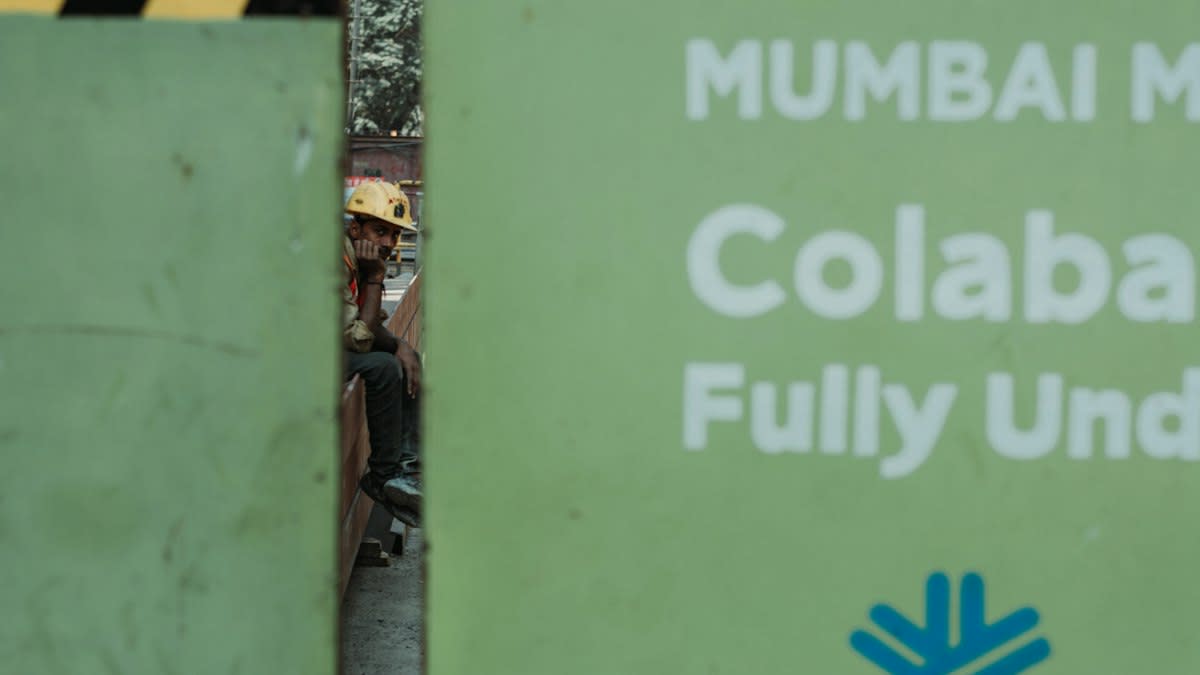
Ground-level friction is where the theory dies. The heat is a predator. In the peak of the summer, a tiffin of fish curry becomes a biohazard in under two hours. The Dabbawalas fight this with speed, but the humidity of Mumbai is a constant enemy. You see it in the stickiness of spilled soda on the floor of the sorting hubs. You hear it in the snap of plastic ties as they rush to seal recovery bags. The dream of zero waste hits a wall when the rain starts and the streets of Mumbai turn into rivers.
The real friction is the lack of cold-chain infrastructure. They are moving perishable goods through a city that is essentially a furnace. There are heated debates in the hubs about what is 'safe' and what is 'waste'. One man's salvage is another man's poison. They rely on a sensory checklist: the smell, the texture, the look. If the rice feels too tacky or the curry smells of sourness, it goes into the bin. There is no thermometer, only experience.
This is the unseen secondary effect of the trend. The Dabbawalas are building a database of hunger. They know which blocks in the city are starving and which are overflowing. This intelligence is more valuable than the food itself. They can tell you exactly where a food desert exists in the heart of a financial district. They are the only ones with the granular visibility to see the gaps in the city's social safety net.
The operation is scaling. What started as a few rogue Dabbawalas helping out local NGOs has become a coordinated effort. They've integrated with surplus food apps, acting as the physical arm for digital platforms. The apps find the food, but the Dabbawalas move it. Without them, the apps are just lists of wasted food. With them, the waste becomes a resource. The delta in efficiency is staggering.
They don't use fancy trackers. They use a system of colors and numbers painted on the lids. It's a low-tech solution to a high-stakes problem. The brilliance is in the simplicity. By adding a 'Recovery' code to their existing marking system, they've layered a new business model on top of an old one without spending a single rupee on software. It's a masterstroke of logistical improvisation.
The city is watching. Other logistics networks in Lagos and Sao Paulo are looking at the Mumbai model. They see a way to monetize or moralize the 'last mile' of waste recovery. But the Mumbai model only works because of the trust inherent in the Dabbawala brand. You can't export trust. You can only export the framework. The result is a fragmented attempt to replicate the success in cities where the logistics are just as broken.
Editorial Note
The Dabbawalas have successfully reduced the volume of edible waste in their primary recovery zones by a significant margin, though a precise city-wide percentage remains elusive due to the informal nature of the collection.
Fact-Check & Accuracy Note
All statistics regarding national food waste are attributed to the UNEP Food Waste Index Report (2021). Logistics data regarding Dabbawala error rates and operational shifts are based on field observations and reports from the Mumbai Food Bank.