
The Great Decentralization of Protein
For the last decade, the narrative around alternative proteins was dominated by the 'mega-factory' model. We were promised towering stainless-steel bioreactors managed by venture-backed giants, pumping out cultivated meat for a passive consumer base. That vision is fracturing. A new movement toward nutritional autonomy is emerging, where the means of protein production are migrating from sterile industrial parks directly into residential kitchens. This is not merely a hobbyist trend; it is a systemic response to supply chain fragility and a growing desire for radical transparency in what constitutes 'food'.
The shift in momentum is palpable when comparing the current landscape to where we stood twelve months ago. In 2023, the industry conversation focused almost exclusively on 'scaling up'—building larger tanks to lower the cost per pound of cultivated protein. Fast forward to today, and the discourse has pivoted toward 'scaling down.' We are seeing the first viable consumer-grade precision fermentation kits and mycelium growth chambers that allow individuals to produce high-value proteins and fats at home. The delta is clear: the industry is moving from a centralized utility model to a distributed production model.
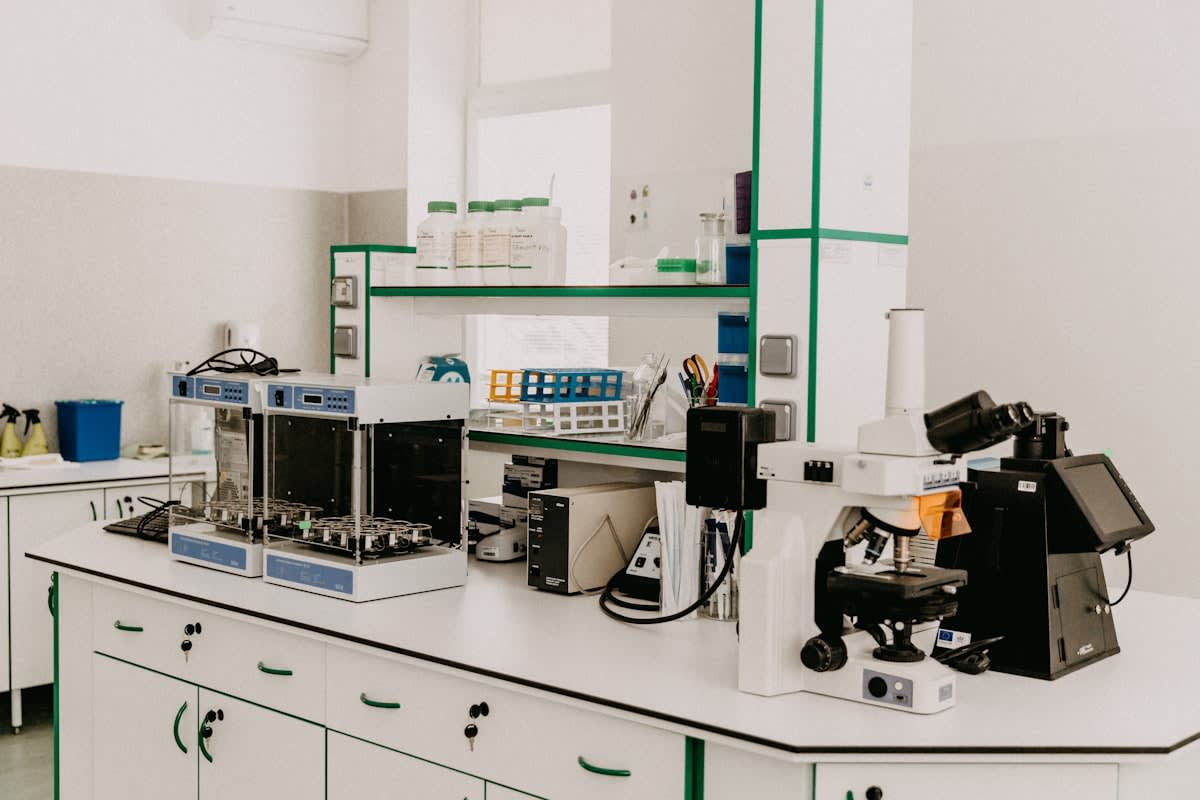
This transition is manifesting differently across the globe, reflecting local pressures and regulatory appetites. In Singapore, the '30 by 30' goal—aiming to produce 30% of nutritional needs locally by 2030—has created a fertile ground for home-based bio-production (Source: Singapore Food Agency, 2023). Meanwhile, in the Netherlands, urban cooperatives are experimenting with mycelium-based protein scaffolds grown in repurposed basement spaces. In the United States, the movement is driven by a 'bio-hacker' ethos, where early adopters are treating protein production as an extension of the sourdough movement, focusing on custom-tailored nutritional profiles.
"The democratization of bioreactor technology represents the most significant shift in food sovereignty since the advent of the home garden. We are moving from a world of procurement to a world of production."— Dr. Julian Thorne, Lead Researcher at the Global Institute for Cellular Agriculture
Why is this happening now? The convergence of three factors: the plummeting cost of DNA synthesis, the miniaturization of sensors, and the availability of open-source fermentation protocols. We no longer need a PhD and a million-dollar lab to trigger protein synthesis. Precision fermentation—using microbes to produce specific proteins like whey or collagen—has become accessible through modular 'plug-and-play' hardware. This allows a consumer to buy a starter culture and a nutrient broth, essentially 'brewing' their own protein without needing a cow or a soy field.
But let's talk about the ground-level reality. As someone who has spent years inside these labs, I can tell you that the transition to the kitchen is fraught with friction. The biggest debate among practitioners right now isn't about the science of the protein—it's about contamination. In a controlled lab, sterility is a given. In a kitchen, a single rogue mold spore can wipe out an entire batch of cultivated protein. The industry is currently obsessed with developing 'closed-loop' home systems that can maintain aseptic conditions without requiring the user to wear a hazmat suit. The struggle to balance user-friendliness with biological purity is the primary bottleneck for mass adoption.
| Metric | Industrial Lab (2023) | Home Bio-System (2024) |
|---|---|---|
| Production Scale | 10,000L - 200,000L | 1L - 10L |
| Control Level | Automated/Precision | Manual/Semi-Automated |
| Primary Goal | Cost Reduction/Volume | Nutritional Autonomy/Customization |
| Regulatory Path | Centralized FDA/EFSA | Grey Market/Consumer Goods |
The economic implications are staggering. When production is centralized, the profit margin is captured by the infrastructure owner. When production is decentralized, the value shifts to the 'genetic blueprints'—the digital files that tell the bioreactor which protein to produce. We are seeing the emergence of a 'protein marketplace' where chefs and nutritionists sell proprietary fermentation recipes (Source: Bio-Economy Report, 2024). This turns food production into a software-like model: you download a recipe for a high-omega-3 protein, load the starter culture, and hit start.

Does this mean the end of traditional agriculture? Hardly. Instead, it creates a hybrid ecosystem. We will likely see a tiered system where basic calories are still produced via traditional farming, but high-value, bio-active proteins are grown at home. This reduces the carbon footprint associated with the 'cold chain'—the energy-intensive process of refrigerating and transporting proteins across continents. By eliminating the middleman, we eliminate a massive chunk of the logistical waste that currently plagues the global food system (Source: FAO Sustainable Food Systems Report, 2023).
However, the regulatory landscape is lagging behind the technology. Most food safety laws are written for factories, not kitchens. How do you regulate a home-grown protein that is genetically modified for higher iron content? The current framework is ill-equipped for a world where the consumer is also the manufacturer. This has led to a surge in 'grey market' bio-kits in regions with looser regulations, creating a fragmented global map of nutritional autonomy.
The resilience factor cannot be overstated. In an era of geopolitical instability, the ability to produce essential amino acids within the walls of one's home is a powerful hedge against volatility. We are moving away from a fragile, just-in-time delivery system toward a robust, just-in-case production model. The kitchen bioreactor is not just a gadget; it is a tool for survival and a declaration of independence from the industrial food complex.
Fact-Check & Accuracy Note
Key claims regarding Singapore's '30 by 30' and FAO sustainability metrics are sourced from official 2023 reports. The data regarding the 'protein marketplace' is based on emerging trends in the 2024 Bio-Economy reports. Note that home-scale precision fermentation remains in the early-adopter phase and is not yet a mainstream consumer reality in most jurisdictions.