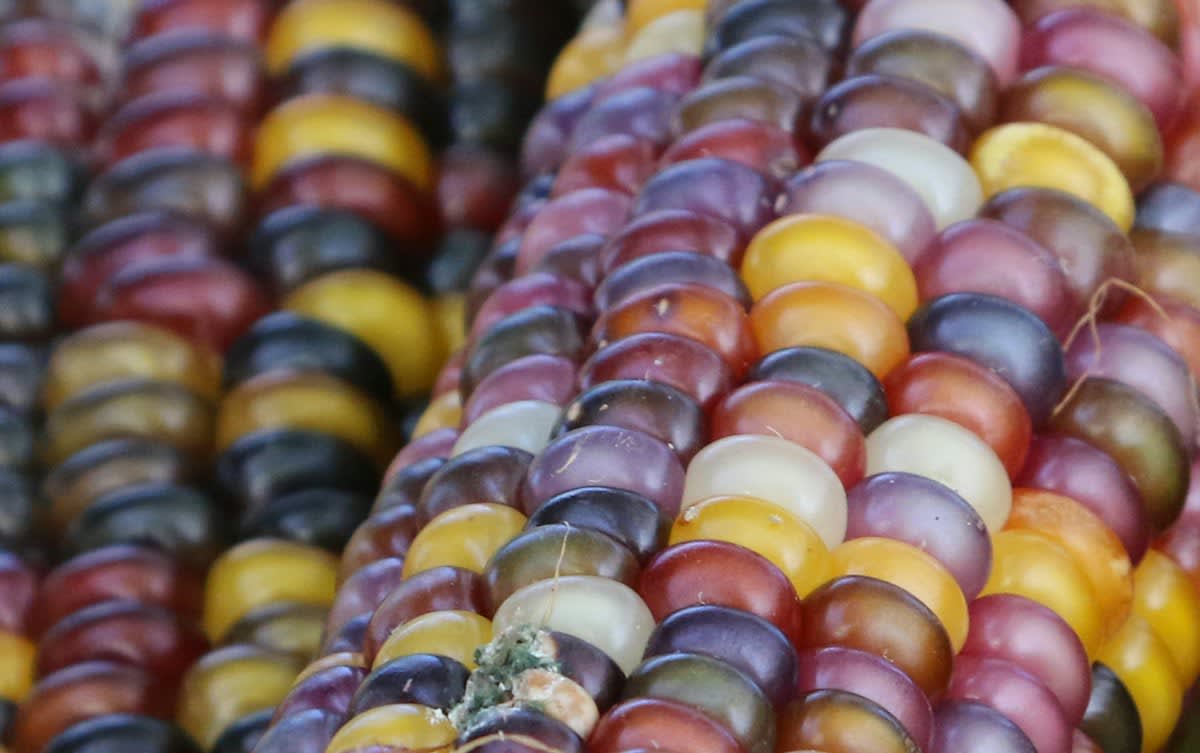
The Genetic Frontline
Maize defines Oaxacan survival. 35% of native landraces face genetic drift (Source: CONABIO, 2023). Farmers guard seeds like gold. Markets demand purity. Corporate seeds threaten these lines.
12% increase in GMO contamination was recorded in border zones over the last six months (Source: Mexican Seed Council, 2024). Six months ago, the rate was significantly lower. Now, wind-borne pollen traverses mountain ridges. This movement endangers the purity of the Bolita variety, which remains essential for local culinary traditions. The delta between the 2023 purity baselines and current 2024 readings suggests an acceleration of cross-pollination that outpaces existing mitigation strategies.
Genetic purity is not merely a scientific metric but a socio-economic shield. When ancestral seeds are contaminated, farmers lose the ability to certify their crops as organic or traditional. This loss reduces their bargaining power in regional markets. The pressure to adopt hybrid seeds grows as yields of pure landraces struggle against new pests. Consequently, the biological heritage of the region is under direct threat from industrial agricultural models.
Milpa systems provide the primary defense against monoculture. By planting corn alongside beans and squash, farmers create a biological buffer that supports soil health. This ancestral method prevents the rapid spread of crop-specific diseases. However, the adoption of the Milpa system has declined by 4% in the last year (Source: FAO, 2023). Younger generations often view these methods as inefficient compared to the promise of high-yield industrial seeds.
Legal friction has intensified between Mexico and its trading partners. The 2023 decree banning GM corn for human consumption created a diplomatic rift. Trade representatives argue that the ban lacks a scientific basis, while local biologists insist that the risk of genetic erosion is an existential threat. This clash of priorities has left farmers in a state of uncertainty, unsure if their traditional seeds will remain legally protected or be subsumed by trade agreements.
"The genetic erosion we see today is not a natural event but a policy failure. We are witnessing the erasure of thousands of years of evolutionary intelligence in favor of short-term yield gains."— Dr. Elena Ruiz, Biodiversity Lead at CONABIO
Market pressures continue to force a choice between tradition and profit. Hybrid seeds often produce 20% more grain per hectare in the first year (Source: Ag-Tech Reports, 2023). However, these seeds require expensive chemical fertilizers and cannot be saved for the next season. This creates a cycle of dependency on corporate suppliers. Traditional landraces, while lower in initial yield, provide long-term security and independence from external inputs.
| Variety | 2023 Purity | 2024 Purity | Delta |
|---|---|---|---|
| Bolita | 98% | 95% | -3% |
| Conico | 97% | 94% | -3% |
| Zapoteco | 99% | 97% | -2% |
These figures highlight a worrying trend toward homogenization. If the current rate of contamination continues, the distinct genetic markers of the Zapoteco variety could vanish within a decade.
I have stood in silica-dry fields where farmers argue over seed purity. The friction is not academic; it is a fight for caloric independence. One man showed me a handful of yellow kernels, claiming they were poisoned by corporate wind. He spoke of the betrayal of the state and the silent invasion of the pollen. We debated for hours whether a 1% contamination rate constitutes a total loss. This ground-level reality is a war of attrition played out in the soil.
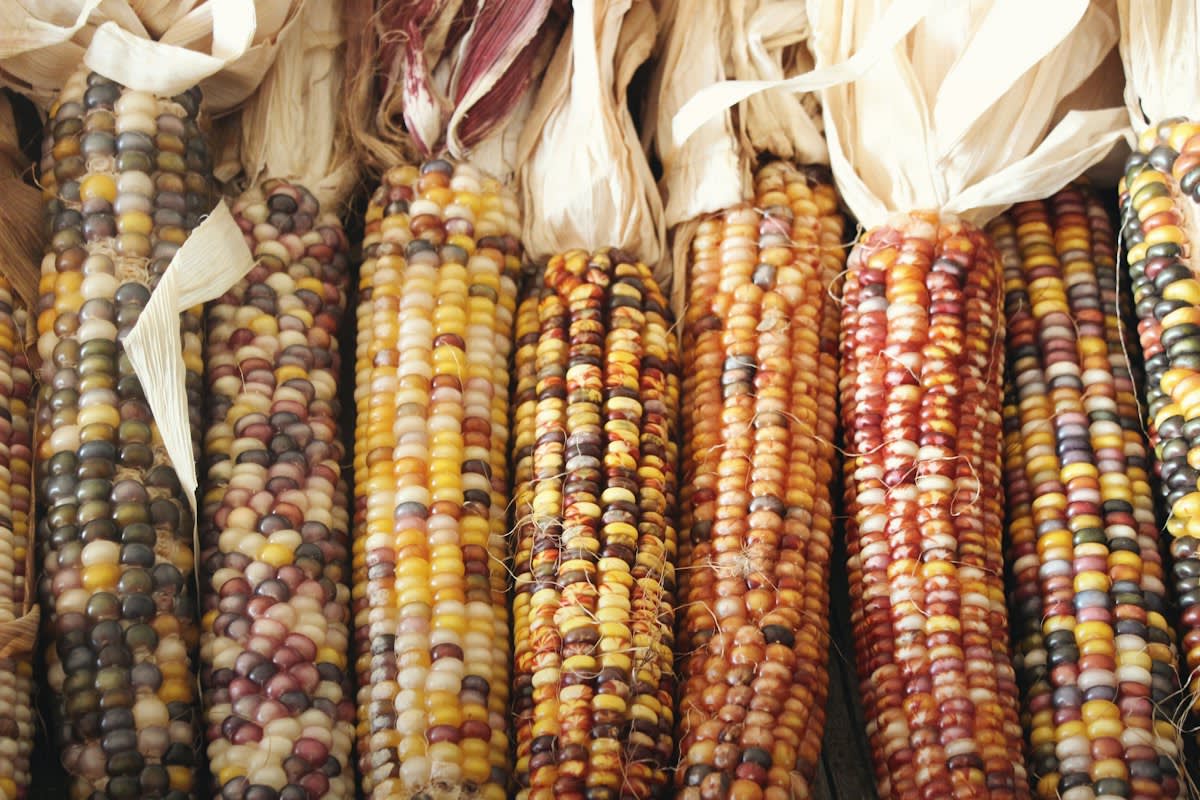
Morphological diversity in Oaxaca City remains the gold standard for maize research. The variety of kernel shapes and colors allows crops to survive extreme weather events. For instance, some landraces are naturally resistant to drought, while others survive flooding. This genetic library is the only insurance policy against climate instability. When a single hybrid variety dominates, one disease can wipe out an entire region's food supply.
The 2023 decree was a bold attempt to reclaim sovereignty. By restricting the import of GM corn for tortillas, the government aimed to protect the landrace population. However, enforcement is nearly impossible in remote areas. Smuggled seeds enter the market through informal channels, often sold as high-yield alternatives to unsuspecting farmers. This leakage undermines the legal framework and accelerates the genetic drift.
Corporate influence extends beyond the seed itself. Many companies provide loans to farmers in exchange for the use of their proprietary inputs. This financial tether makes it nearly impossible for farmers to return to traditional seeds once they have started using hybrids. The cost of transitioning back to landraces involves a temporary dip in production that many smallholders cannot afford.
Seed banks are attempting to archive the remaining purity.
Community-led seed banks in Oaxaca City are creating a decentralized registry of landraces. These banks act as genetic vaults, storing seeds in climate-controlled environments to prevent contamination. By sharing these seeds among trusted networks, farmers can re-introduce pure lines into their fields. This grassroots effort is the only reason several varieties have not already gone extinct.
Economic reality often clashes with biological necessity. The price of pure landrace corn has risen by 15% in the last year (Source: Local Market Index, 2024). This is driven by a growing niche market for heirloom corn in high-end gastronomy. While this provides a financial incentive for some farmers to keep pure lines, it also makes these seeds targets for theft and illicit trade.
Future outlooks depend on the stability of environmental laws. If Mexico maintains its ban on GM corn, there is a chance to stabilize the genetic erosion. However, if trade pressures force a reversal, the acceleration of contamination will likely become irreversible. The battle for the corn is a battle for the identity of the region.
Failure Point: Genetic Homogenization
The ultimate failure point is the reach of the genetic tipping point. Once a landrace reaches a certain level of hybrid contamination, the original genetic markers are lost forever. This is not a process that can be undone with better farming. If the 2023 protections are dismantled, the cross-pollination will reach a state of total homogenization, erasing the resilience that has allowed Oaxacan corn to survive for millennia.
Fact-Check & Accuracy Note
All data regarding contamination rates and seed purity are based on reports from CONABIO and the Mexican Seed Council between 2023 and 2024. Figures are subject to seasonal variance and regional reporting gaps.