By 1950, fewer than 30 nēnē remained wild in Hawaii; captive breeding helped the population reach 3,862 by 2022
Source Entity
Latest News: Todays Latest News Headlines from India & World | Hindustan Times | Hindustan Times
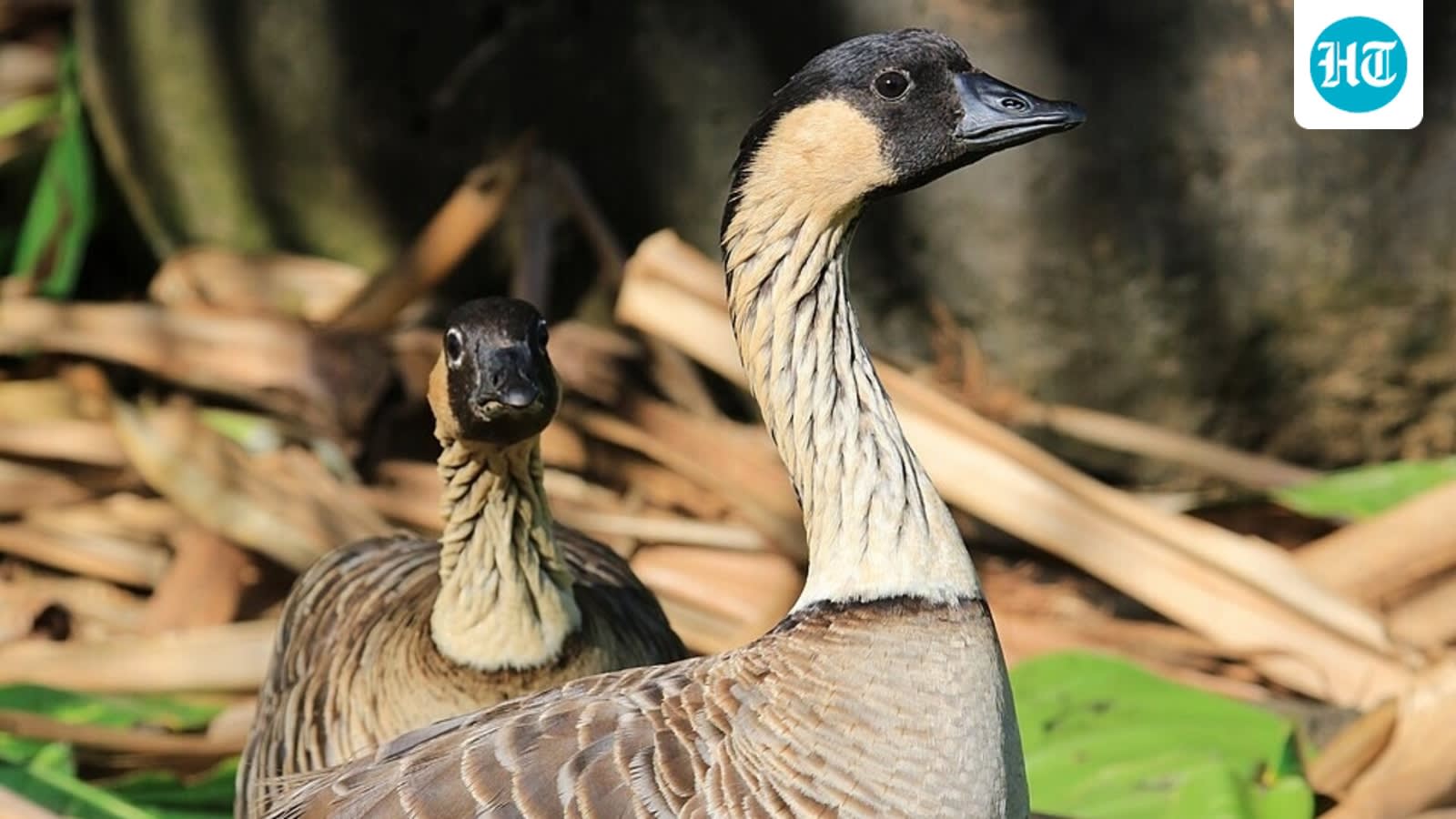
The Hawaiian nēnē goose has staged a remarkable recovery from fewer than 30 individuals in 1950 to over 3,800 today through captive breeding. This success story highlights the critical role of conservation efforts in mitigating the historical impacts of human settlement on island biodiversity.
The Remarkable Resilience of Hawaii’s State Bird
The nēnē, Hawaii’s official state bird, represents one of the most compelling narratives in modern conservation biology. Once teetering on the absolute brink of extinction by 1950, when fewer than 30 individuals remained in the wild, the species has undergone a slow but steady resurgence. Through dedicated captive breeding programs and carefully managed reintroduction efforts, the population has rebounded to an estimated 3,862 birds as of 2022, with a significant concentration of 2,430 individuals residing on the island of Kauai. This recovery serves as a testament to the efficacy of human intervention in reversing the catastrophic declines caused by historical ecological disruptions.
Historical Context and Evolutionary Origins
To understand the fragility of the nēnē, one must look back half a million years to when the ancestors of three distinct Hawaiian goose species—the nēnē, the nēnē nui, and the mysterious giant nēnē—arrived on the islands from Canada. Over millennia, these birds adapted to the unique environment of the archipelago. However, the arrival of humans more than a thousand years ago triggered a rapid decline in avian diversity. While the giant nēnē, a species twice the size of its modern relative, and the nēnē nui were driven to extinction shortly after human settlement, the nēnē managed to survive due to its superior speed and agility.
The Impact of Human Settlement and Invasive Species
The decline of the nēnē was not merely a result of hunting for food; it was inextricably linked to the introduction of non-native mammals. Rats and dogs, brought to the islands by settlers, decimated local bird populations by preying on both adults and their vulnerable eggs. During the early 1800s, the nēnē was still a thriving species, with the island of Hawaii alone estimated to host a population of 25,000. The subsequent collapse to fewer than 30 birds by 1950 underscores the devastating synergy between habitat loss, hunting pressure, and the introduction of invasive predators.
The Mechanics of Conservation Recovery
The survival of the nēnē was secured through intensive captive breeding initiatives. By isolating the remaining birds from the threats of invasive predators, conservationists were able to stabilize the gene pool and gradually reintroduce the species to protected areas. This process required not only biological expertise but also a long-term commitment to managing the threats that had pushed the species to the edge in the first place. The success on Kauai, which now hosts more than half of the total population, illustrates the importance of geographic focus in species management.
Future Trends and Ecological Lessons
The recovery of the nēnē provides a blueprint for island conservation globally. While the population of 3,862 is a massive improvement, the species remains under constant vigilance due to its limited genetic diversity and the persistent threat of invasive species. Future trends in nēnē conservation will likely focus on habitat restoration and the continued monitoring of population health to ensure that the species can withstand environmental shifts. The story of the nēnē is a poignant reminder that while human activity can cause near-total ecological collapse, deliberate, science-backed conservation efforts can provide a path back from the brink.
Verification Required?