What did the Liberty Bell sound like? Science is on the case.
Source Entity
Jennifer Ouellette
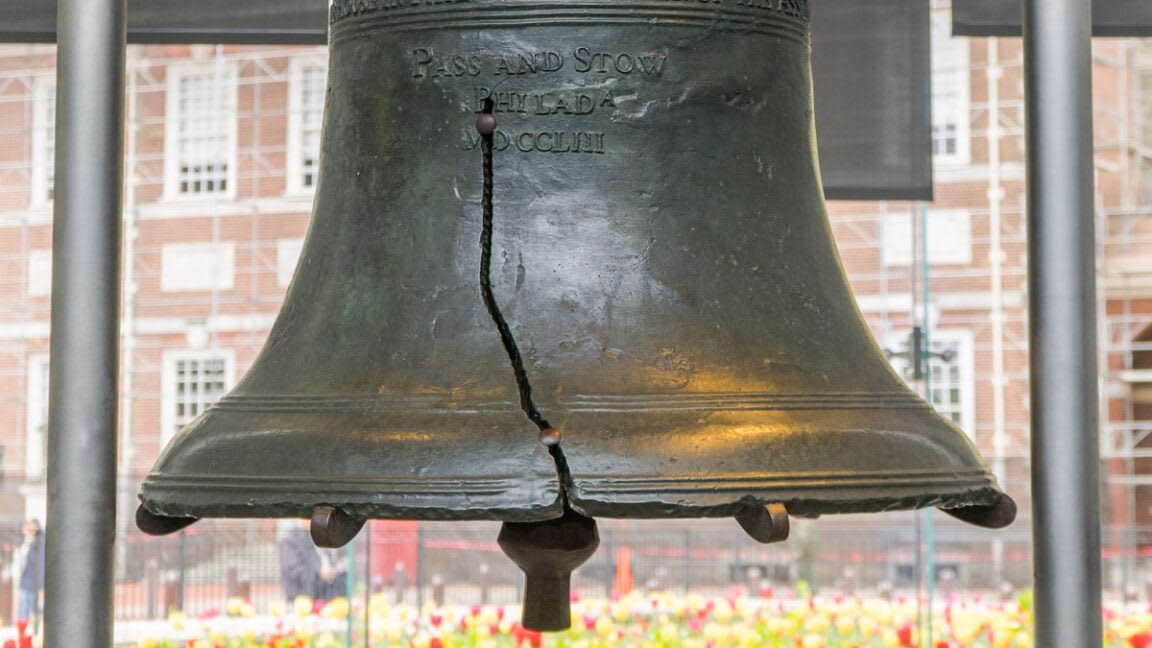
Researchers at Penn State are using modal analysis on a replica bell to reconstruct the original sound of the Liberty Bell. This project aims to recover the acoustic history of the iconic American artifact ahead of the nation's 250th anniversary.
Reconstructing the Sound of History
The Liberty Bell stands as one of the most recognizable symbols of American independence, yet its actual voice has been lost to time. Having not been rung for 180 years, the iconic artifact remains silent, its physical integrity compromised by its famous crack. To bridge this temporal gap, researchers at Penn State University have embarked on a scientific mission to reconstruct what the bell sounded like during its active years.
The Science of Modal Analysis
To overcome the impossibility of ringing the original, damaged bell, scientists turned to a 20th-century replica located at Penn State Behrend. By utilizing modal analysis—a technique used to determine the vibration characteristics of an object—the researchers mapped the acoustic properties of the replica. This data serves as a foundation for digital modeling, allowing experts to simulate the resonance and tone that the original bell would have produced before it was silenced.
Historical Context and the Infamous Crack
Historians have long debated the precise timeline of the bell's structural failure. Evidence suggests the crack appeared sometime between 1817 and 1846, rendering the instrument unusable for its intended purpose. A pivotal 1846 account from the Public Ledger recounts the final attempts to ring the bell on February 23, noting the presence of the crack that had effectively muted the chime. This historical documentation provides the crucial boundary for when the bell's audible life ended.
Commemorating the 250th Anniversary
This research is particularly timely as the United States approaches its 250th anniversary. By applying modern physics to a colonial-era icon, the project offers a unique bridge between scientific inquiry and public history. The findings, which were presented at the Acoustical Society of America and featured in Physics Today, demonstrate how interdisciplinary collaboration can provide new insights into cultural heritage.
Broader Implications and Future Trends
This study represents a growing trend in digital humanities where scientists use advanced engineering to 'hear' the past. By modeling the acoustic properties of inanimate objects, researchers can preserve the sensory experience of history. As we move closer to the nation's semiquincentennial, such projects ensure that the intangible aspects of American history—like the exact toll of a bell—are not lost to the silence of the past.