Southwest monsoon withdraws from entire country: IMD
Source Entity
India Latest News: Top National Headlines Today & Breaking News | The Hindu
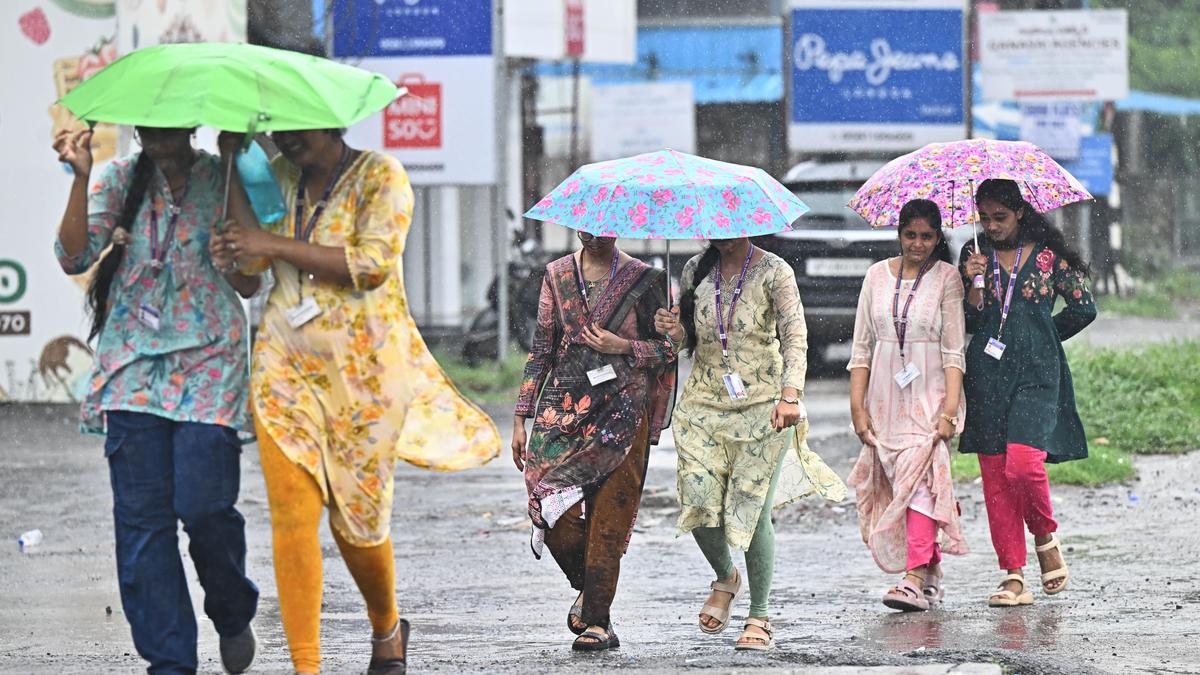
The IMD has officially declared the withdrawal of the southwest monsoon from India with a 12.6% rainfall deficit. Simultaneously, the northeast monsoon has commenced, bringing forecasts of heavy rainfall to the southern peninsula through October 21.
The Seasonal Transition: Southwest Monsoon Withdrawal
The India Meteorological Department (IMD) has officially confirmed that the southwest monsoon, which serves as the primary driver of India's agricultural and hydrological health, withdrew from the entire country on October 15, 2026. This withdrawal marks the conclusion of a critical meteorological cycle that spans from June through September. The departure of these winds is a systemic shift that reconfigures atmospheric pressure patterns across the subcontinent, effectively closing the chapter on the primary rainy season.
Analyzing Rainfall Deficits
According to the IMD, the total rainfall recorded during this year's southwest monsoon was 759.4 mm. When compared to the long-period average (LPA) of 868.6 mm, this represents a 12.6% deficit. Such fluctuations are significant, as they directly impact reservoir levels, groundwater recharge, and the output of kharif crops. The deficit highlights the increasing volatility of seasonal patterns, which poses ongoing challenges for water management and food security strategies across India’s diverse agro-climatic zones.
The Onset of the Northeast Monsoon
As the southwest winds recede, the meteorological focus shifts to the northeast monsoon, often referred to as the 'retreating monsoon.' On the same day as the official withdrawal, the IMD noted that the northeast monsoon commenced its activity. This seasonal transition is characterized by a reversal in wind direction, which brings moisture-laden air to the southern peninsula, primarily benefiting regions that rely on this secondary rainy season for their annual water supply.
Regional Impacts and Forecasts
The northeast monsoon's influence is currently concentrated over Tamil Nadu, Puducherry, Karaikal, coastal Andhra Pradesh, Rayalaseema, south interior Karnataka, Kerala, and Mahe. These regions are bracing for a wet spell that the IMD predicts will persist until at least October 21. Residents in these areas should anticipate isolated heavy rainfall events, which are typical indicators of the onset phase of the northeast monsoon as it establishes its influence over the southern topography.
Broader Climatic Implications
The interplay between the withdrawal of the southwest monsoon and the onset of the northeast monsoon underscores the complexity of India’s climate. While the northeast monsoon provides vital relief to the southern states, it also brings the risk of heavy precipitation and localized flooding. Understanding these transitions is essential for disaster preparedness, as the shift often dictates the agricultural planning for the upcoming rabi season and informs urban infrastructure management against heavy precipitation events.
Future Trends and Conclusion
Looking ahead, the predictability of these seasonal transitions remains a priority for the IMD. As climate patterns continue to evolve, the reliance on accurate, real-time data becomes increasingly paramount for stakeholders ranging from policymakers to farmers. The successful transition into the northeast monsoon period provides a necessary, albeit complex, continuation of India's hydrological cycle, necessitating careful monitoring of rainfall intensity in the coming week.
Verification Required?