Why is Mumbai in a record-breaking heatwave? The answer lies in Madhya Pradesh
Source Entity
Nayonika Bose
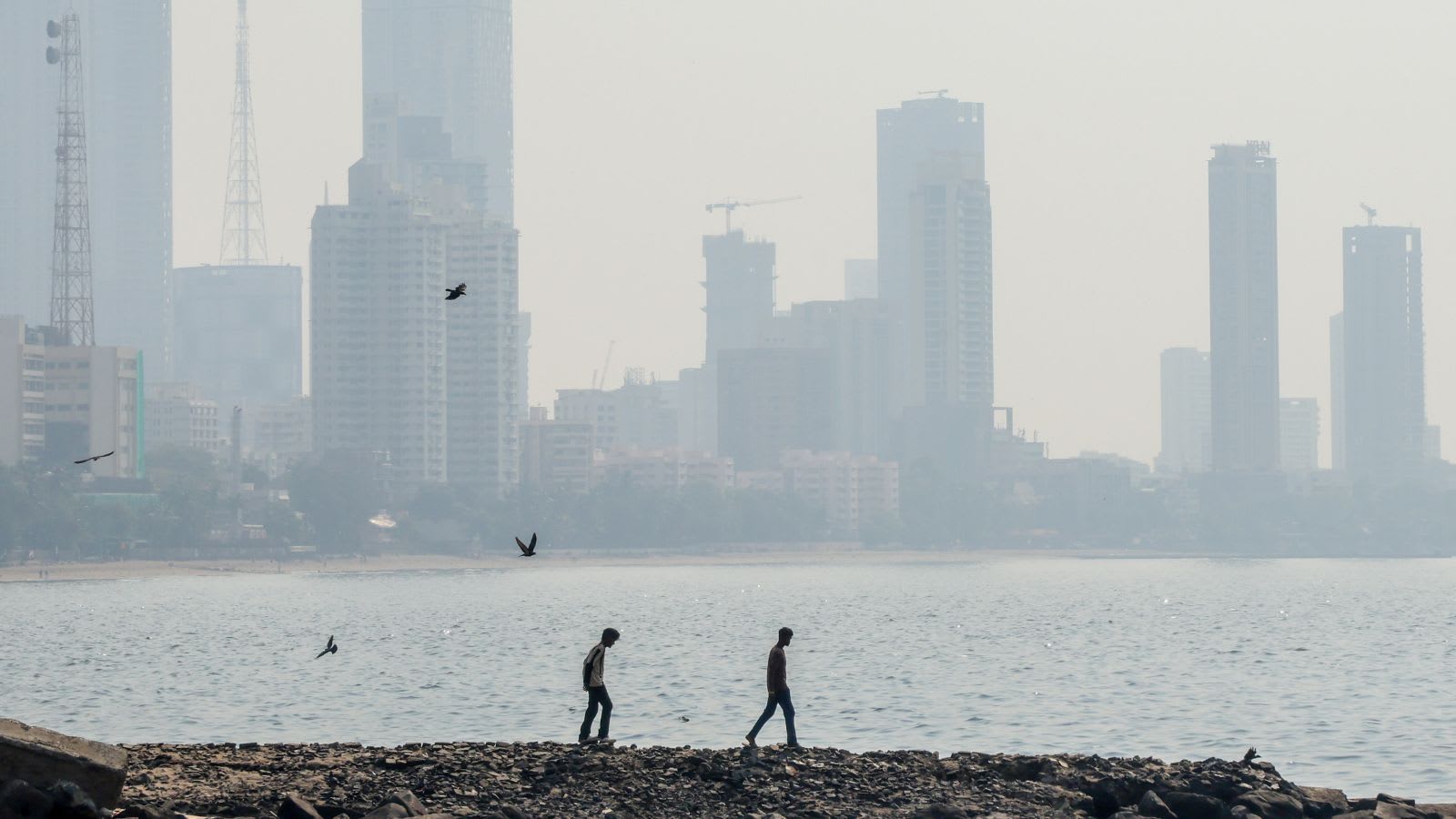
Maharashtra is facing an unprecedented October heatwave, with Mumbai and Pune recording temperatures significantly above seasonal norms. Experts attribute this to a combination of atmospheric anticyclones, lack of cloud cover, and specific regional weather patterns originating from Madhya Pradesh.
Maharashtra’s October Heatwave: A Regional Climate Anomaly
Maharashtra is currently grappling with an unusual and intense heatwave that has gripped major urban centers, including Mumbai and Pune, throughout the first half of October. While October is typically a transition month marking the withdrawal of the monsoon, the current meteorological data indicates a significant departure from historical norms. Mumbai has recorded temperatures as high as 38 degrees Celsius, while Pune has experienced its warmest first half of October since 2014, with average maximums reaching 34.97 degrees Celsius at the Shivajinagar station.
The Role of Atmospheric Dynamics
The driving force behind these soaring temperatures is a complex interplay of atmospheric conditions. Meteorological experts, including those from 'Vagaries of the Weather,' point to the persistent influence of an anticyclone over the region. Anticyclones are high-pressure systems that typically suppress cloud formation and prevent the cooling effect of thunderstorms. Without the natural buffer of cloud cover to reflect solar radiation, the ground absorbs significantly more heat, leading to the record-breaking daytime temperatures observed in both coastal and inland Maharashtra.
The Madhya Pradesh Connection
One of the most intriguing aspects of this heatwave is the geographical influence of neighboring Madhya Pradesh. Meteorologists have identified that weather patterns originating from this region are playing a critical role in exacerbating the heat in Mumbai. This highlights the interconnected nature of regional climate systems, where air mass movements across state borders can drastically alter local microclimates. The heat spells have been severe enough for the India Meteorological Department (IMD) to issue formal heatwave alerts for Mumbai, Thane, and Palghar.
Historical Context and Statistical Significance
The intensity of this heatwave is best understood through historical comparison. On October 11, Mumbai’s Santacruz observatory hit 38 degrees Celsius—a staggering 4.9 degrees above the seasonal average. This marked the city's hottest October day since 2015. Similarly, Pune’s weather station has documented a steady climb in average maximum temperatures over the last decade, with the current 34.97-degree average far exceeding the 33.2 degrees recorded in 2014 and the 31.4 degrees seen just last year.
Implications of Reduced Rainfall
The lack of precipitation has acted as a catalyst for these rising temperatures. Pune, for instance, recorded a negligible 1.4 mm of rainfall during the first half of October. The absence of late-season monsoon showers means that the soil moisture, which typically provides a cooling effect through evaporation, has been depleted. This lack of moisture, combined with the clear skies caused by the anticyclonic conditions, creates a feedback loop that sustains the heat.
Future Trends and Conclusion
As Maharashtra faces these shifting climatic trends, the frequency of such record-breaking heat spells in the post-monsoon period serves as a critical indicator of changing regional weather patterns. The reliance on clear skies and the lack of moisture suggest that urban planning and public health strategies in cities like Mumbai and Pune may need to adapt to longer, hotter transition seasons. Moving forward, continued monitoring of inter-state weather influences—such as the heat patterns moving from Madhya Pradesh—will be essential for accurate forecasting and disaster mitigation.