Between 1928 and 1950, Canada planted white spruce on rare prairie in Manitoba; 19 years after removal, the grassland still had not recovered
Source Entity
Latest News: Todays Latest News Headlines from India & World | Hindustan Times | Hindustan Times
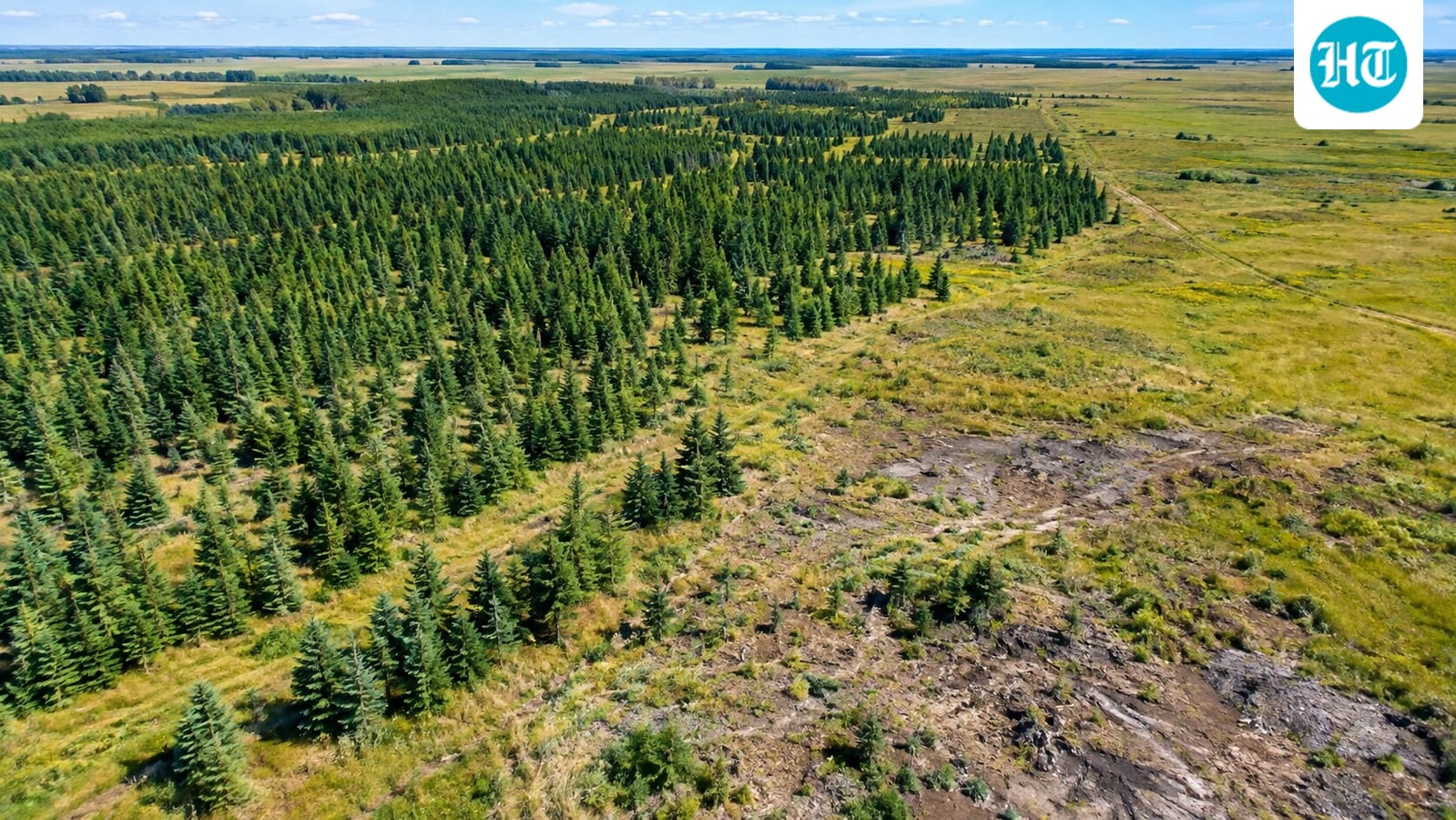
A 2018 study reveals that Manitoba prairie land failed to recover 19 years after the removal of non-native white spruce plantations. The findings highlight the long-term ecological damage caused by afforestation in sensitive grassland ecosystems.
The Lasting Ecological Footprint of Afforestation in Manitoba
Between 1928 and 1950, a significant ecological intervention occurred in Manitoba, Canada, where rare native prairie ecosystems were converted into white spruce plantations. While this practice was often viewed through the lens of timber production and forestry management during the early 20th century, the long-term consequences have proven to be far more complex than initial land-use planners anticipated.
The Failure of Ecological Recovery
Despite the removal of these non-native spruce trees, a 2018 study has indicated that the grassland ecosystem has failed to bounce back even 19 years after the clearing. This prolonged recovery period underscores the fragility of prairie habitats, which are not merely open spaces but intricate biological networks that rely on specific soil chemistry, seed banks, and local flora that are often permanently altered by the presence of dense forest cover.
Why Grasslands Struggle to Rebound
One of the primary drivers behind this lack of recovery is the modification of soil properties under the spruce canopy. Coniferous trees like white spruce alter soil pH and nutrient cycling through the accumulation of acidic needle litter. When trees are removed, the soil remains fundamentally changed, often becoming inhospitable to native prairie grasses that have evolved over millennia to thrive in specific, nutrient-balanced conditions.
The Loss of Biodiversity and Seed Banks
Furthermore, the multi-decade presence of a plantation effectively suppresses the natural seed bank of the original prairie. Many native perennial grasses and forbs require specific light and moisture regimes to germinate; once these are shaded out for nearly a century, the local seed bank becomes depleted. Without intervention, natural succession is hindered, leaving the land in a degraded state of transition rather than returning to its original biodiversity.
Broader Implications for Conservation
The case of Manitoba’s spruce plantations serves as a cautionary tale for modern land management and conservation strategies. It demonstrates that 'restoring' an environment is not as simple as removing the invasive or non-native element. Ecosystems possess a form of ecological inertia, where the impacts of human-led land conversion can persist long after the physical structures of that conversion have been dismantled.
Future Trends in Land Restoration
As climate change puts pressure on existing grasslands, the findings from this 2018 research suggest that we must be far more cautious regarding where we plant trees for carbon sequestration or timber. If we are to preserve rare prairie ecosystems, we must recognize that they are irreplaceable assets. Future restoration efforts will likely require intensive human intervention, such as soil remediation and active reseeding, rather than relying on the land to heal itself.
Verification Required?