Researchers use AI to design proteins that cut up other proteins
Source Entity
John Timmer
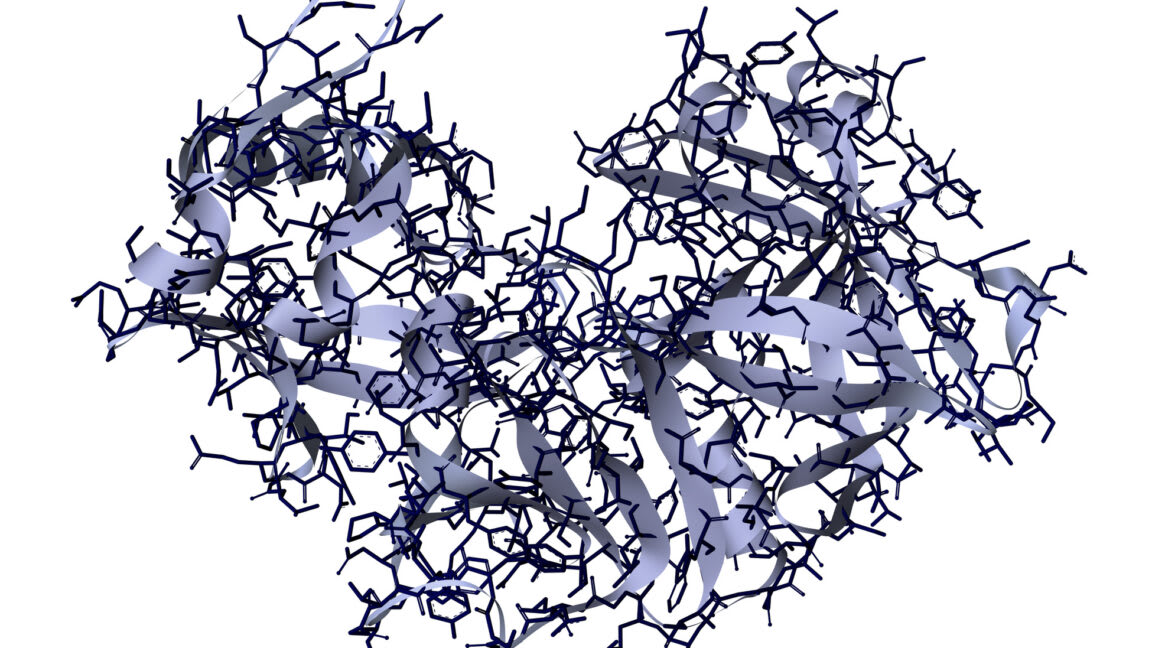
Researchers have utilized AI-driven design tools to engineer novel enzymes capable of breaking down highly stable peptide bonds. This breakthrough effectively accelerates natural catalytic processes, potentially revolutionizing biotechnology and environmental management.
The Dawn of AI-Engineered Enzymatic Catalysis
Recent advancements in biotechnology have reached a significant milestone as researchers successfully utilized artificial intelligence to design synthetic proteins capable of degrading other proteins. At the molecular level, proteins are chains of amino acids linked by peptide bonds, structures known for their remarkable stability, with an estimated natural half-life of several hundred years. While nature has evolved diverse proteases to break these bonds, this new AI-driven approach represents a fundamental shift in how we manipulate biological matter.
Short-Circuiting Biological Evolution
Under normal environmental conditions, peptide bonds are protected by their inherent chemical stability. However, the existence of naturally occurring proteases—enzymes that catalyze the breakdown of these bonds—ensures that proteins do not persist indefinitely in the wild. The recent study demonstrates that scientists have effectively 'short-circuited' the slow, iterative process of biological diversification. By leveraging AI design tools, researchers have successfully isolated the catalytic cores of specific proteases and replaced the surrounding protein architecture.
The Mechanics of Synthetic Design
This methodology is transformative because it allows for the creation of enzymes that are not necessarily products of millions of years of evolutionary pressure. By stripping away the non-essential components of existing proteases and substituting them with AI-designed frameworks, the researchers have created enzymes that are highly specialized. This precision engineering allows for the targeting of bonds that were previously difficult to manage or modify, effectively giving scientists control over the lifespan and structural integrity of protein chains.
Broader Implications for Biotechnology
The implications of this research extend far beyond the laboratory. By creating enzymes that can 'cut' proteins with unprecedented efficiency, industries ranging from pharmaceuticals to waste management stand to benefit. In medicine, this could lead to the development of targeted therapies that degrade harmful proteins associated with specific diseases. In environmental science, these engineered enzymes could be deployed to accelerate the breakdown of industrial protein waste, a process that is currently time-consuming and energy-intensive.
Future Trends and Ethical Considerations
As we look toward the future, the integration of AI in protein design is poised to become a cornerstone of synthetic biology. The ability to dictate the catalytic function of a protein by design, rather than discovery, suggests a future where biological tools are 'programmed' to solve specific industrial or clinical problems. However, this power also brings the need for rigorous oversight to ensure these highly active enzymes are deployed safely and do not disrupt existing biological ecosystems.
Conclusion
In summary, the use of AI to redesign the architecture of protease enzymes is a landmark achievement in molecular biology. By bypassing the limitations of evolutionary timelines, researchers have unlocked a new toolkit for manipulating the fundamental building blocks of life. As this technology matures, it will likely redefine our approach to protein engineering, offering sustainable and highly precise solutions to complex biochemical challenges.