They war-gamed dimming the Sun. It went even worse than you think.
Source Entity
Karl Mathiesen, WIRED.com
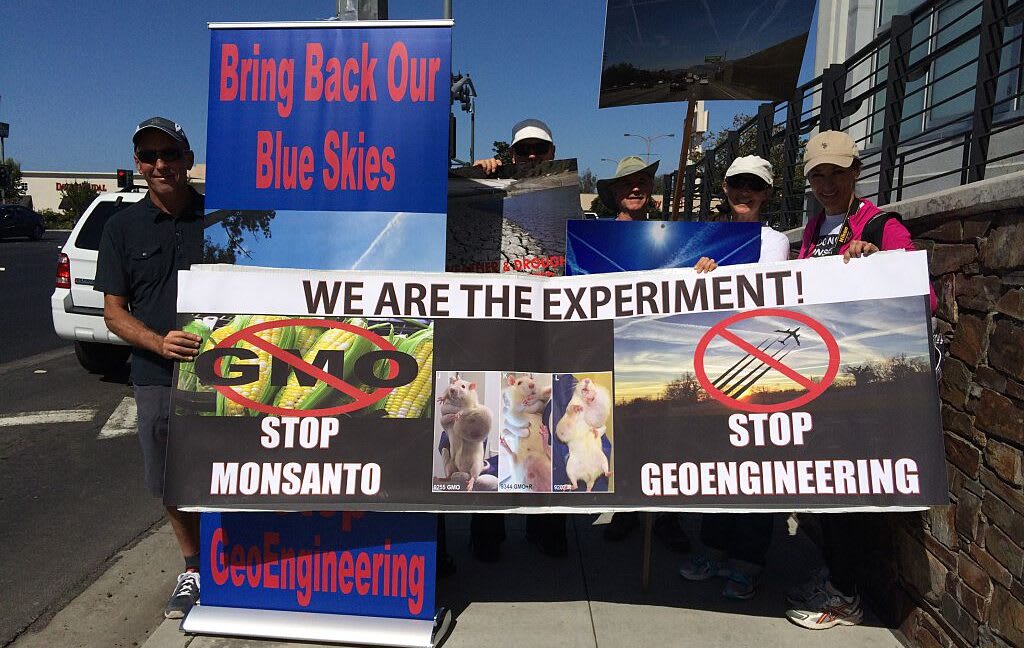
A recent war-game simulation explored the geopolitical risks of solar geoengineering, revealing that scientific consensus is easily undermined by national interests. The study highlights the volatile dangers of attempting to cool the planet through uncoordinated technological intervention.
The Geopolitics of Solar Geoengineering
The recent simulation titled Exploring Geopolitical Tipping Points and Climate Cooling Strategies has illuminated a harrowing reality: the path to planetary-scale climate intervention is fraught with more political volatility than scientific complexity. As climate researcher Colleen Golja discovered during the London-based war games, the optimistic assumption that global actors would prioritize collective survival through ethical, transparent research is fundamentally undermined by the realities of national interest and strategic competition.
The Failure of Rational Governance
Historically, the scientific community has operated under the premise that global crises would foster international cooperation. However, the simulation demonstrated that once solar geoengineering—a technology designed to reflect sunlight and cool the Earth—is introduced into a room of military and foreign-relations experts, the focus shifts immediately from environmental restoration to power dynamics. The participants found that the temptation to weaponize or unilaterally control the climate, rather than manage it as a global common, creates a "tragedy of the commons" scenario that could lead to irreversible conflict.
The Risks of Unchecked Technological Development
Solar geoengineering is not merely a technical fix; it is a high-stakes geopolitical tool. The simulation highlighted that because the technology carries vast, unknown risks to global weather patterns, the lack of a robust, universally accepted governance framework invites disaster. If one nation or a small coalition decides to deploy cooling strategies without international consensus, the resulting fallout—ranging from altered monsoons to agricultural collapse in neighboring regions—could trigger severe diplomatic or even military retaliation.
Strategic Divergence and National Priorities
One of the most alarming takeaways from the London exercise was how quickly "science and reason" were sidelined by participants representing various national interests. In a simulation involving military personnel and former diplomats, the goal of cooling the planet was frequently treated as a zero-sum game. This suggests that future climate cooling strategies will likely be viewed through a lens of national security rather than environmental stewardship, potentially leading to an uncontrolled "geoengineering arms race."
Future Implications and Global Stability
As we look toward the future, these findings suggest that the primary obstacle to climate intervention is not the engineering itself, but the lack of an international legal structure capable of governing it. Without a binding framework that prevents rogue actors from unilaterally modifying the atmosphere, the world remains vulnerable to the unintended consequences of climate-related power plays. The simulation serves as a stark warning: without radical transparency and global cooperation, the technologies intended to save the planet may inadvertently become the catalysts for its destabilization.