Bleached corals thrive within days when touching healthy neighbour
Source Entity
Hacker News
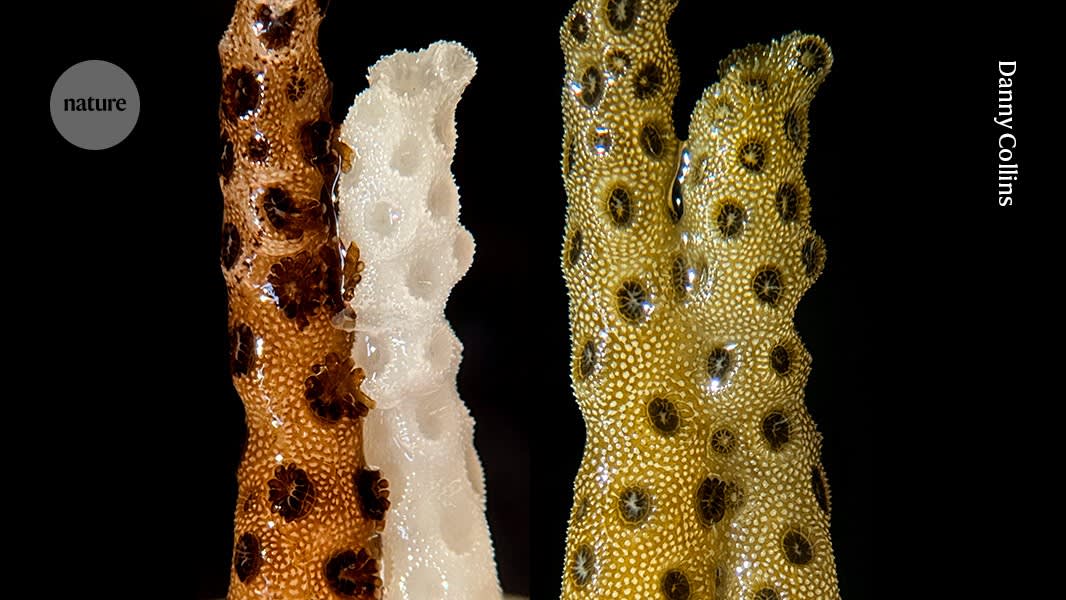
Researchers have discovered a rapid method to reverse coral bleaching by fusing bleached fragments with healthy ones. This technique shows promise for restoring damaged reefs as rising sea temperatures continue to threaten marine ecosystems.
A Breakthrough in Coral Restoration
Recent scientific findings have introduced a promising new methodology for combating the global crisis of coral bleaching. By demonstrating that a bleached coral fragment can be rapidly restored to health through fusion with a vibrant, healthy fragment from the same individual, researchers have unlocked a potential lifeline for marine ecosystems. This process, documented in laboratory settings, suggests that the physiological resilience of corals may be more adaptable than previously understood, provided they are given the correct biological cues to trigger recovery.
The Mechanism of Bleaching and Recovery
To understand the significance of this discovery, one must first recognize the biological toll of rising sea temperatures. Corals exist in a delicate symbiotic relationship with photosynthetic algae known as Symbiodiniaceae. When thermal stress occurs, corals expel these algae, leading to the characteristic 'bleaching' effect. Without these algae, which provide essential nutrients through photosynthesis, the coral effectively enters a state of starvation. The laboratory success of fusing a healthy fragment to a bleached one suggests that the healthy tissue can effectively re-populate the bleached host, providing a rapid infusion of the necessary symbionts to sustain the organism.
Implications for Marine Conservation
This discovery offers a tangible path forward for reef restoration. Historically, coral recovery efforts have been slow and labor-intensive, often struggling to keep pace with the rapid rate of environmental change. If this fusion technique can be scaled from the laboratory to the field, it could significantly accelerate the rehabilitation of degraded reefs. By utilizing fragments from the same individual, scientists minimize the risk of transplant rejection, ensuring that the biological 're-seeding' is efficient and successful.
Addressing the Climate Crisis
While this laboratory breakthrough is a major scientific achievement, it must be viewed within the broader context of anthropogenic climate change. Rising ocean temperatures remain the primary driver of widespread coral decline. While the ability to reverse bleaching in a controlled environment is an optimistic development, the long-term survival of coral reefs globally will remain inextricably linked to the mitigation of greenhouse gas emissions and the stabilization of sea temperatures.
Future Trends in Reef Management
Moving forward, this research is likely to shift the focus of marine biology toward 'assisted recovery' strategies. By leveraging the natural fusion capabilities of corals, conservationists may develop nurseries that prioritize the rapid synthesis of healthy and bleached coral stocks. As we look toward the future, integrating these biological insights with large-scale reef management plans will be critical to preserving the biodiversity of our oceans for future generations.