Rewilding could help vulnerable islands keep pace with rising seas
Source Entity
Bob Berwyn, Inside Climate News
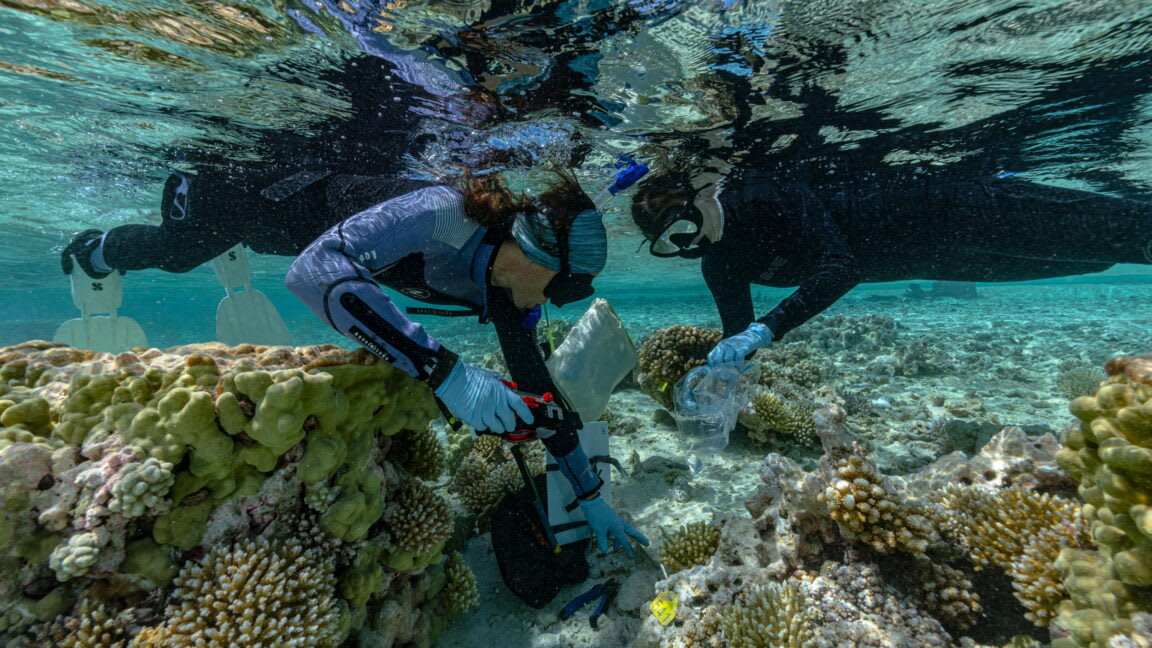
A new study reveals that restoring native ecosystems on coral atolls can help them adapt to rising sea levels. By fostering seabird populations and healthy reefs, these islands can naturally build elevation and maintain stability.
The Natural Resilience of Atoll Ecosystems
Coral-fringed tropical atolls represent some of the most fragile landforms on the planet, existing as mere slivers of land barely protruding above the rising tides of the Pacific and Indian oceans. As global temperatures increase and sea levels climb, these low-lying islands face an existential threat. However, recent research published in Science Advances suggests that these islands possess an inherent, biological 'superpower'—the ability to grow and adapt through healthy, integrated ecosystems.
The Role of Seabirds in Island Construction
At the heart of this resilience is the role of seabirds, which act as vital biological engineers. According to the study led by Nick Graham of Lancaster University, seabirds function as nutrient transporters, ferrying essential minerals from the open ocean and depositing them onto the islands in the form of guano. This natural fertilization process supports the growth of native vegetation, which in turn stabilizes the island’s sandy substrate, preventing erosion and allowing the land to remain viable despite encroaching waters.
Ecosystem Synergy: Reefs and Vegetation
Beyond the role of seabirds, the study highlights that healthy coral reefs are indispensable to this process. These reefs act as the first line of defense, dissipating wave energy that would otherwise wash away the island's sediments. When reefs are thriving, they provide a consistent supply of carbonate sand to the island beaches. When combined with native vegetation that traps this sediment, the atoll becomes a "naturally active system" capable of building height in tandem with sea-level rise.
Implications for Conservation Policy
This research shifts the perspective on how we approach island conservation. Rather than relying solely on hard engineering solutions like sea walls, which can often disrupt natural sediment flow, the study suggests that 'rewilding'—restoring seabird colonies and coral reef health—could be a more sustainable, long-term strategy. By protecting these ecosystems, we allow nature to do the heavy lifting of land management.
Future Trends and Challenges
Looking ahead, the success of this natural adaptation strategy depends heavily on global efforts to mitigate climate change. While rewilding can help islands keep pace with current rates of sea-level rise, the window of opportunity is limited. If the rate of warming accelerates beyond the natural capacity of these ecosystems to recover, even the most robust atolls will struggle to maintain their elevation. Therefore, integrated management that combines rewilding with global carbon reduction remains the most viable path forward for these vulnerable communities.
Conclusion
The study of 28 atoll islands across the Pacific and Indian oceans provides a hopeful, science-backed roadmap for preservation. By recognizing atolls as dynamic, living systems rather than static patches of sand, scientists and policymakers can better support the natural mechanisms that have kept these islands above water for millennia.