Heavy rain snarls traffic, ride-hailing fares surge in Bengaluru
Source Entity
India Latest News: Top National Headlines Today & Breaking News | The Hindu
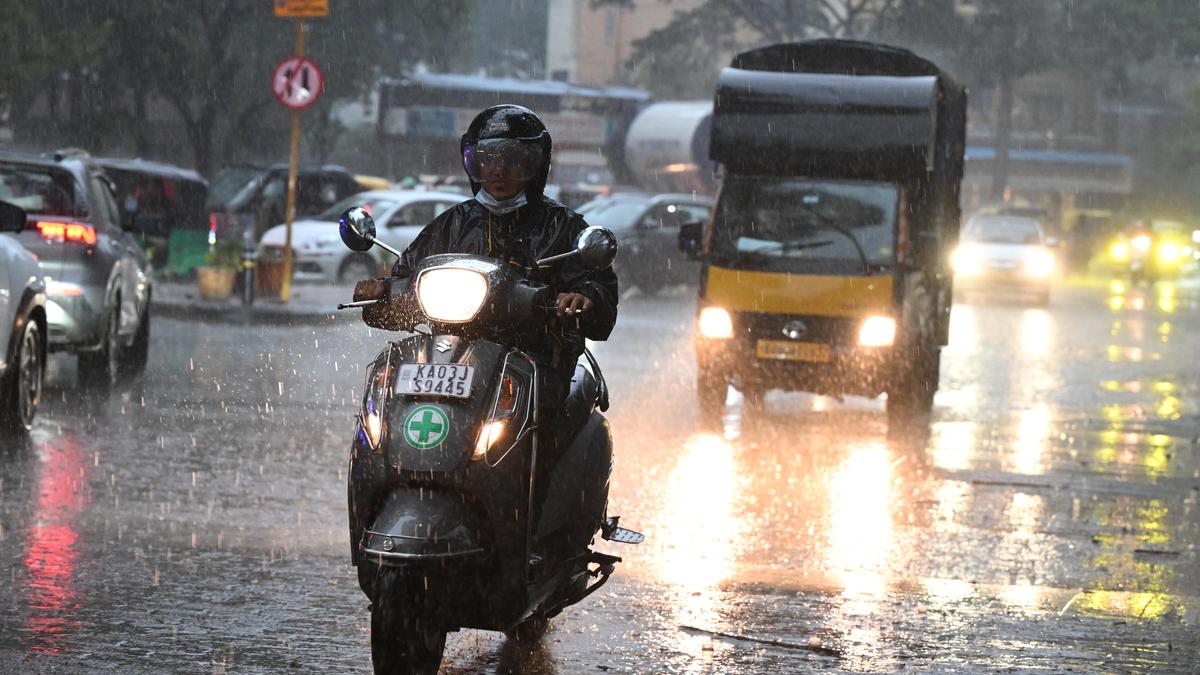
Heavy rainfall in Bengaluru caused widespread waterlogging and severe traffic congestion across major city arteries. The inclement weather led to surge pricing for ride-hailing services as commuters struggled to navigate the gridlocked streets.
Bengaluru Paralyzed by Heavy Evening Downpour
On Thursday evening, Bengaluru experienced a significant weather event as heavy rainfall descended upon the city, causing immediate and widespread disruption to its urban infrastructure. The intensity of the precipitation overwhelmed drainage systems, leading to extensive waterlogging across multiple key transit corridors. This situation highlights the ongoing vulnerability of the city’s infrastructure to sudden, high-intensity weather patterns, a recurring challenge for one of India's fastest-growing metropolitan hubs.
Impact on Urban Mobility
The traffic impact was immediate, with major thoroughfares effectively brought to a standstill. Motorists reported severe, bumper-to-bumper congestion, particularly along Hosur Road and the vital routes near Electronics City, a primary technology hub. The Central Business District (CBD) was similarly paralyzed, with many commuters finding themselves stranded for hours as the combination of standing water and high traffic volume created a logistical bottleneck that rippled across the city.
Critical Areas Affected
Specific reports from authorities confirmed that the disruption was not localized to a single neighborhood but was city-wide. Significant waterlogging was documented on M.G. Road, Commissionerate Road, Acharya Layout Road, and Anand Rao Circle. Furthermore, traffic flow was severely compromised on R.P. Road towards P.G. Halli, as well as at Mehkri Circle and Jayamahal. These areas serve as the lifeblood of Bengaluru’s daily transit, and their obstruction significantly hampered the movement of officegoers and residents alike.
Infrastructure and Safety Resilience
While the flooding caused immense frustration, the Greater Bengaluru Authority noted that the city avoided the worst-case scenarios regarding structural damage. No major tree falls were reported, though the high winds associated with the rain did result in more than 10 instances of tree branches snapping across the five city corporations. This indicates that while the city’s green cover remained largely intact, the maintenance of roadside vegetation remains a crucial focus for public safety during monsoon-like conditions.
Market Dynamics and Economic Implications
As public transport and private vehicle mobility stalled, the economic implications became visible through the surge in ride-hailing fares. As demand spiked exponentially while supply remained restricted due to the gridlock, commuters faced significantly higher costs to reach their destinations. This phenomenon underscores the reliance of Bengaluru’s workforce on gig-economy transit services and the fragility of these systems when confronted with severe environmental volatility. Moving forward, the city faces the persistent challenge of reconciling its rapid urban expansion with the need for robust, weather-resilient drainage and traffic management systems.
Verification Required?